


It's time to rethink how we clean our homes. Traditional cleaning methods often rely heavily on plastic tools and bottles, as well as harsh chemicals that can be harmful to both our health and the environment. As we become more aware of the impacts these materials have, it’s essential to consider alternatives that can help us maintain a clean home without contributing to these problems.
At Plastno, we champion the switch to green cleaning practices. This means using safe products and methods for you, your family, and the planet. Switching to eco-friendly cleaning tools and making your own natural cleaning solutions are simple steps that make a big difference. These changes not only reduce waste but also ensure that the air in your home remains free of toxic substances commonly found in commercial cleaning products.
Together, let's explore how each of us can contribute to a healthier environment and a more sustainable future, starting with our cleaning routines. Join us as we look into practical, effective ways to clean your home, emphasizing sustainability and health.
The Importance of Avoiding Plastic and Toxic Chemicals in Cleaning
When it comes to cleaning our homes, the go-to solutions often involve a copious amount of plastic and chemicals. However, every spray, wipe, and scrub adds toxins into our air and piles of non-biodegradable waste into our landfills. By eliminating these elements from our cleaning routine, we tap into numerous benefits not just for our immediate environment, but for the global ecosystem.
Reducing plastic in our cleaning supplies helps cut down on plastic pollution, which affects wildlife and ecosystems worldwide. Single-use plastics, commonly used for packaging cleaning products, seldom get recycled, contributing to the growing problem of plastic pollution in our oceans and waterways. On the other hand, the harsh chemicals in many cleaners can pose health risks, from skin irritations to impacting indoor air quality. Transitioning to environmentally friendly cleaning methods underscores our commitment to safeguarding both our health and the planet.
Choosing Eco-Friendly Cleaning Tools
To effectively transition to greener cleaning practices, selecting the right tools is crucial. Opting for eco-friendly cleaning tools not only minimizes waste but also enhances the sustainability of our cleaning routines. Here are some vital swaps and considerations:
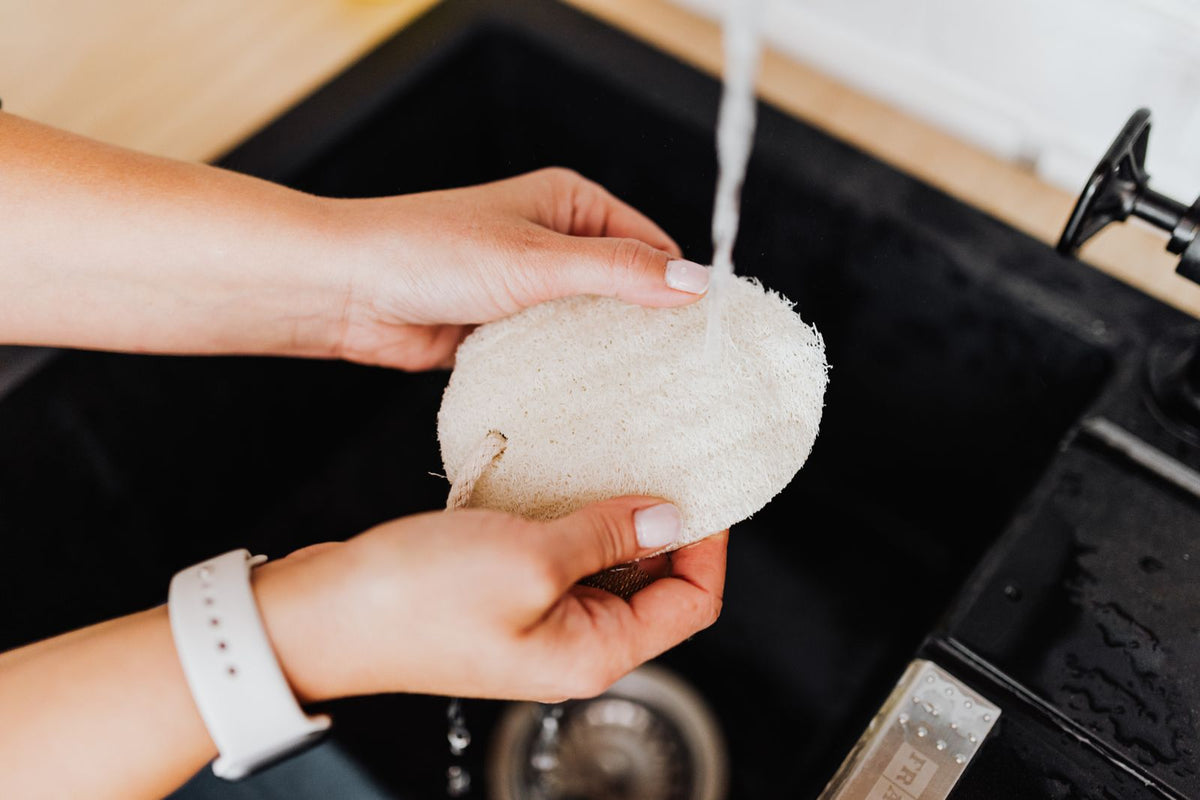
- Plant-Fiber Cloths: Skip microfiber, which is made of plastic and sheds tiny plastic fibers every time you wash it. A reusable cloth made from cellulose and organic cotton, like our Sponge Cloth, wipes up spills, washes clean, and replaces paper towels and wet wipes.
- Bamboo Handle Brushes: Bamboo is a highly sustainable material, and brushes with bamboo handles offer a robust and renewable alternative to plastic variants. These are great for scrubbing dishes, bathrooms, and hard surfaces.
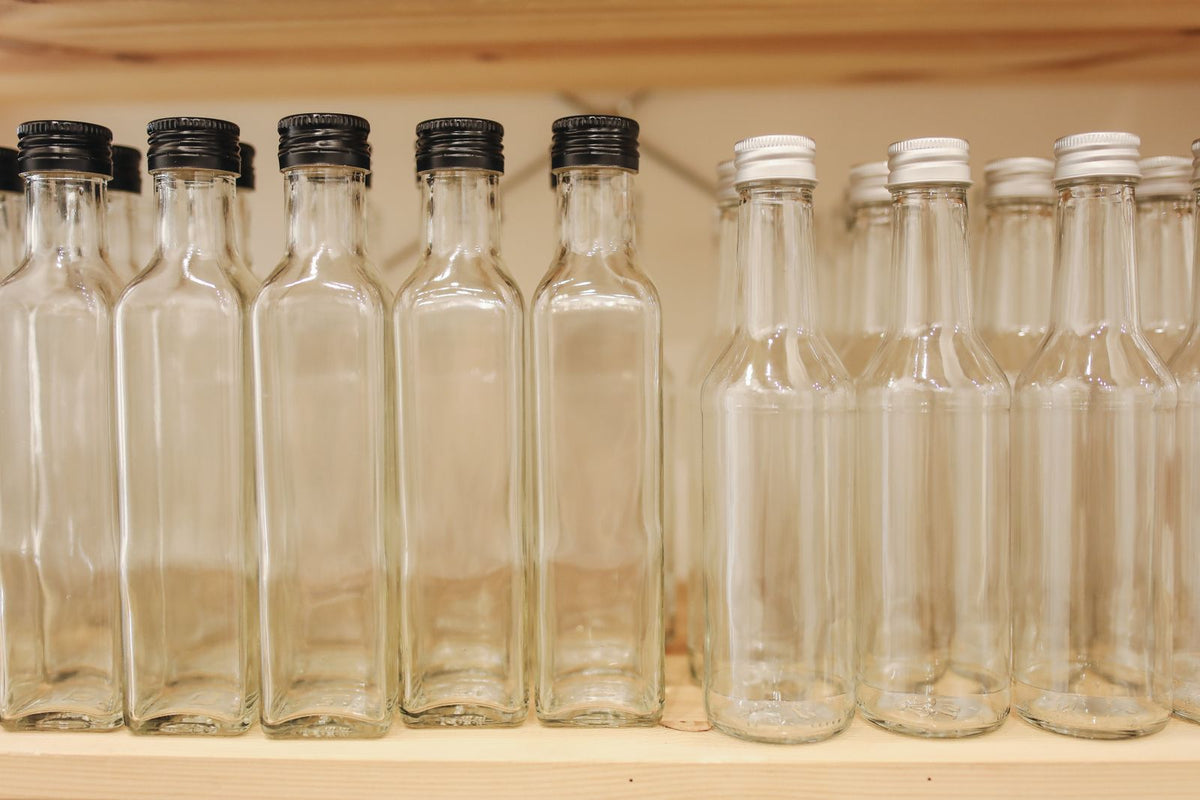
- Refillable Containers: Rather than buying new plastic bottles every time, opt for refillable containers. This significantly reduces plastic use and waste. Many eco-friendly companies now offer refill stations or concentrated cleaning solutions that you can dilute at home. Plastno's refillable cleaning tablets work the same way, dissolving in water to make a full bottle of fragrance-free, dye-free multi-surface spray, and the rest of Plastno's refillable cleaners follow the same idea.
By incorporating these tools into our cleaning practices, we play a part in reducing environmental impact while maintaining clean and fresh living spaces. These swaps not only contribute to lessening the burden on our landfills but also promote a healthier, chemical-free home environment.
Recipes for Homemade Natural Cleaning Solutions
One of the most effective ways to ensure that our cleaning practices are both eco-friendly and safe is by using homemade natural cleaning solutions. These solutions not only reduce our exposure to harmful chemicals but also cut down on plastic packaging commonly associated with commercial products. Here's how we can make our own cleaning agents using simple ingredients found in most homes:
- All-Purpose Cleaner: Mix equal parts of white vinegar and water in a reusable spray bottle. For a light scent, add a few drops of essential oils like lavender or lemon. This cleaner is handy for surfaces like countertops and tables.
- Glass Cleaner: Combine 2 cups of water, 1/2 cup white or cider vinegar, and 1/4 cup rubbing alcohol with a 70% concentration in a spray bottle. Use this mix to leave your windows and mirrors streak-free.
- Scrub for Tough Spots: Make a paste using baking soda and a small amount of water. Apply this paste to surfaces that require a little more abrasive action, such as stovetops and sinks, then scrub and rinse away.
Using these simple recipes, we can easily maintain clean and fresh spaces in our homes without relying on toxic chemicals.
Tips for Maintaining a Green Cleaning Routine
Maintaining an eco-friendly cleaning routine requires consistency and dedication. Here are some tips to help us keep on track:
- Prioritize Preventive Measures: Regular tidying can prevent the need for harsh chemicals and intense cleaning sessions. Encourage all family members to clean up spills immediately and manage clutter daily.
- Educate and Involve Household Members: Share the reasons and benefits behind using green cleaning methods with everyone in your home. Involving them in preparing DIY cleaning solutions can also increase their commitment to maintaining these practices.
- Regularly Review and Tweak Your Practices: What works today might not be as effective tomorrow. Stay open to trying new recipes or techniques in your green cleaning routine. Also, keep an eye on evolving eco-friendly products that might offer better solutions.
Conclusion
Embracing green cleaning methods, from using biodegradable cleaning tools to crafting homemade cleaning solutions, not only prioritizes our health but also significantly reduces our environmental impact. It’s an achievable commitment that offers profound benefits, encouraging a more sustainable way of living. At Plastno, we are dedicated to supporting this transition, providing products that align with these values.
We understand the importance of taking actionable steps toward a healthier planet, and we invite you to join us in this journey. Start by replacing traditional plastics and hazardous cleaning chemicals with sustainable alternatives from Plastno. By choosing our products, you are not only enhancing your home’s cleanliness but also contributing to the global effort of reducing plastic pollution.
Discover the joy of a safe, clean, and green home by choosing Plastno’s sustainable cleaning essentials today. Together, we can make a lasting impact on the environment one clean home at a time.

Share:
Home Composting for Beginners, How to Start and What to Add
Why Compostable Trash Bags Are Essential for Environmentally Conscious Households