

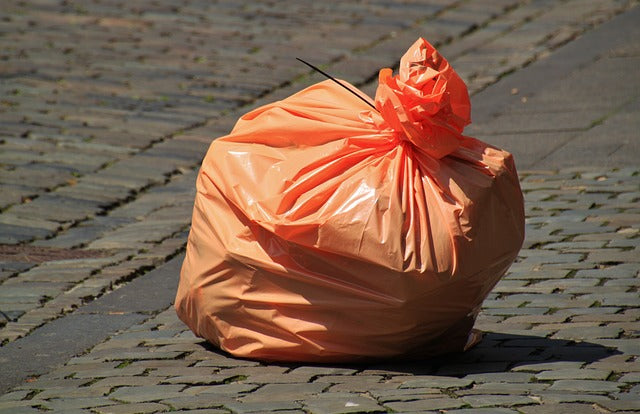
Today, plastic trash bags have become a ubiquitous household item, making it difficult to imagine a time before they existed. While they may be convenient, these bags have also had an undeniable impact on the environment. As we look back on the history of plastic trash bags, we can also appreciate the rise of eco-friendly alternatives, like Plastno compostable trash bags. Here is where plastic trash bags came from, the environmental problems they created, and how the switch to more sustainable options is happening.
The Invention of Plastic Trash Bags
The plastic trash bag, commonly referred to as the "garbage bag" or "bin liner," was invented in the 1950s by a Canadian inventor named Harry Wasylyk. He initially created the bags with the help of his friend, Larry Hansen, using a stretchy type of plastic called polyethylene.
Wasylyk's first plastic trash bags were green and intended for commercial use. Their success in the Canadian market quickly caught the attention of the Union Carbide Company, a chemical manufacturer based in the United States. The company purchased the U.S. rights to manufacture the bags, and by the late 1950s, the Hefty brand was born. Plastic trash bags soon swept across the nation and became a popular household staple. As they gained popularity, these bags evolved to include various colors, sizes, and features, like drawstring closures and odor-blocking technology.
Environmental Impact of Plastic Trash Bags
Unfortunately, the widespread use of plastic trash bags has also come with numerous environmental consequences. Here are a few of the most pressing issues:
- Non-Biodegradable: Standard plastic trash bags do not break down naturally, taking up to 1,000 years to decompose in a landfill. As a result, they contribute to the growing problem of plastic pollution.
- Wildlife Endangerment: Plastic trash bags that are not properly disposed of can end up in natural ecosystems, leading to entanglement or ingestion by animals. This has a detrimental impact on both land and marine wildlife.
- Greenhouse Gas Emissions: The production of plastic bags and other single-use plastics is energy-intensive and generates significant greenhouse gas emissions that contribute to climate change.
These problems highlight the urgent need for change, as the continuous production and use of plastic trash bags negatively impact the planet and its inhabitants.
The Rise of Environmentally-Friendly Alternatives
Recognizing the environmental consequences of plastic trash bags, many companies have developed sustainable alternatives to help combat the issues presented above. One notable eco-friendly option is compostable trash bags, like those made by Plastno.
Compostable trash bags are made from a blend of plant-derived and petroleum-derived materials, such as cornstarch, PLA, and PBAT, and are designed to break down in composting conditions rather than in a landfill. These bags are designed to decompose under specific conditions and can turn into nutrient-rich compost when properly disposed of in commercial composting facilities. Additionally, compostable garbage bags are sustainable and reliable, making them an excellent alternative for everyday household use.
Conclusion
The invention of plastic trash bags transformed waste management in households across the U.S., but the convenience they provided came at an environmental cost. As we reflect on their history and ongoing impact, it's crucial to consider sustainable alternatives like compostable bags, which serve as a testament to the power of innovation and the importance of preserving our planet.
By choosing environmentally-friendly products like Plastno's biodegradable garbage bags, home consumers in the US can play a part in reducing plastic pollution and creating a healthier environment for future generations. As more people make this eco-conscious shift, we can collectively work towards a greener, more sustainable future and ensure that the history of waste management continues to evolve for the better. Choose the best compostable trash bags today from Plastno.



Share:
Trash Bag Thickness: The Key to a Fresh and Clean Home
Carbon Footprint of Plastic Bags: Impact on the Environment and Solutions for a Greener Future