

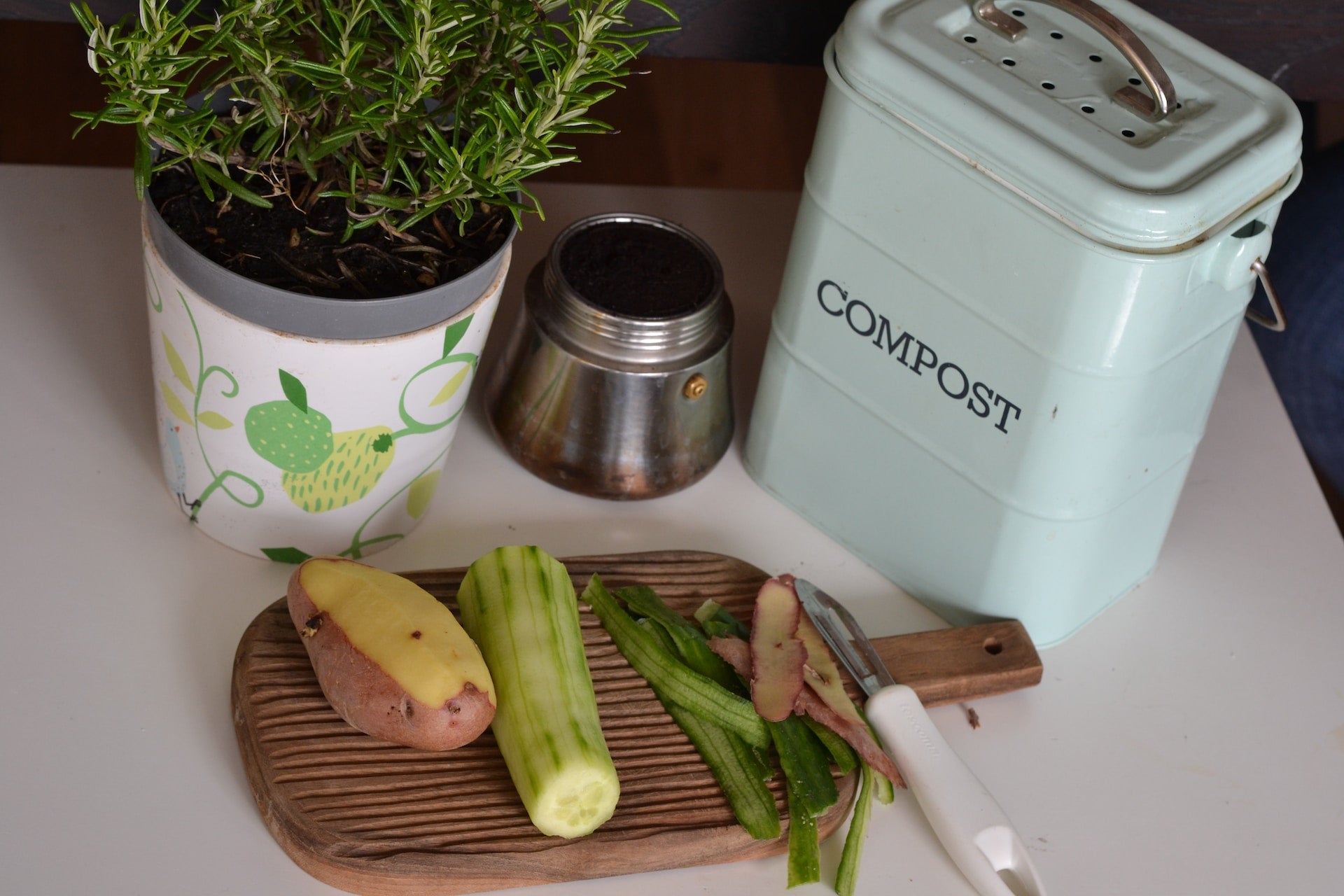
Composting is an eco-friendly and sustainable way to reduce waste and improve soil health. Compost bags are a convenient and efficient way to compost at home, and they come in different varieties. Whether you're a seasoned gardener or a newbie to composting, compost bags can make the process easier and more manageable. This guide will cover everything you need about compost bags, from the benefits to filling them with the right material.
Benefits of Using a Compost Bag
Compost bags are an eco-friendly alternative to traditional plastic bags made from biodegradable materials such as cornstarch, vegetable oils, and other natural polymers. Using compost bags offers several benefits, including:
Make Better Compost
Compost bags can help you make better compost by providing a controlled environment for your organic matter to decompose. The bag traps heat and moisture, which accelerates the decomposition process. The result is nutrient-rich compost that can be used to improve the health of your soil and plants.
Reduce Visibility of Odors
One of the main concerns with composting is the potential for unpleasant odors. Compost bags can help reduce the visibility of these odors by containing them within the bag. This is especially useful if you live in an urban area where neighbors may be sensitive to the smell of compost.
Increase Capacity
Compost bags can hold a significant amount of organic matter, which increases the capacity of your compost bin or heap. This is particularly useful if you have limited space for composting or generating much organic waste.
Keep Rodents Away
Traditional compost bins or heaps can attract rodents such as rats and mice. Compost bags can help keep these pests away by providing a barrier between the organic matter and the surrounding environment. Additionally, compost bags can be tied securely, preventing rodents from accessing the organic matter inside.
Convenient Storage
Compost bags are easy to store and transport. They can be stored in a cool, dry place until they are full and ready to be added to your compost bin or heap. Once full, the bag can be tied securely and added to your compost without creating a mess.
What Goes into a Compost Bag?
Compost bags are designed to hold organic matter that eventually breaks into nutrient-rich compost. Here are some items that you can put in a compost bag:
- Fruit and Vegetable Scraps: These can include banana peels, apple cores, carrot tops, and other scraps from fruits and vegetables.
- Coffee Grounds and Tea Bags: These items are a great nitrogen source for compost.
- Eggshells: Eggshells are an excellent source of calcium for your compost.
- Sawdust and Wood Chips: These can also be added to your compost bag in moderation.
- Cardboard and Paper: These items can be shredded and added to your compost bag.
What Not to Put in Your Compost Bag?
While compost bags are designed to hold organic matter, some items should not be added to your compost bag. Here are some items to avoid:
- Meat and Dairy Products: These items can attract pests and slow composting.
- Oily Foods: Oily foods such as salad dressings, cooking oils, and butter should not be added to your compost bag.
- Pet Waste: Pet waste should not be added to your compost bag as it can contain harmful bacteria.
- Plastics and Synthetic Materials: These items will not break down in your compost and should not be added to your compost bag.
Conclusion
Overall, compost bags are an excellent option for those who want to compost but are concerned about pests or want a more convenient way to store and transport their organic matter. They provide a barrier against rodents and can be easily stored and transported until ready for disposal. Consider using compost bags if you want to make composting a more hassle-free and pest-free experience.
Protect your garden from rodents and pests with Plastno compostable bags. Our bags provide a barrier between the organic matter and the surrounding environment, preventing rodents from accessing the compost. Keep your garden safe with Plastno compostable bags.

Share:
7 Benefits of Biodegradable Plastics: A Comprehensive Guide
For a Better Earth: 7 Alternatives to Plastic Trash Bags