

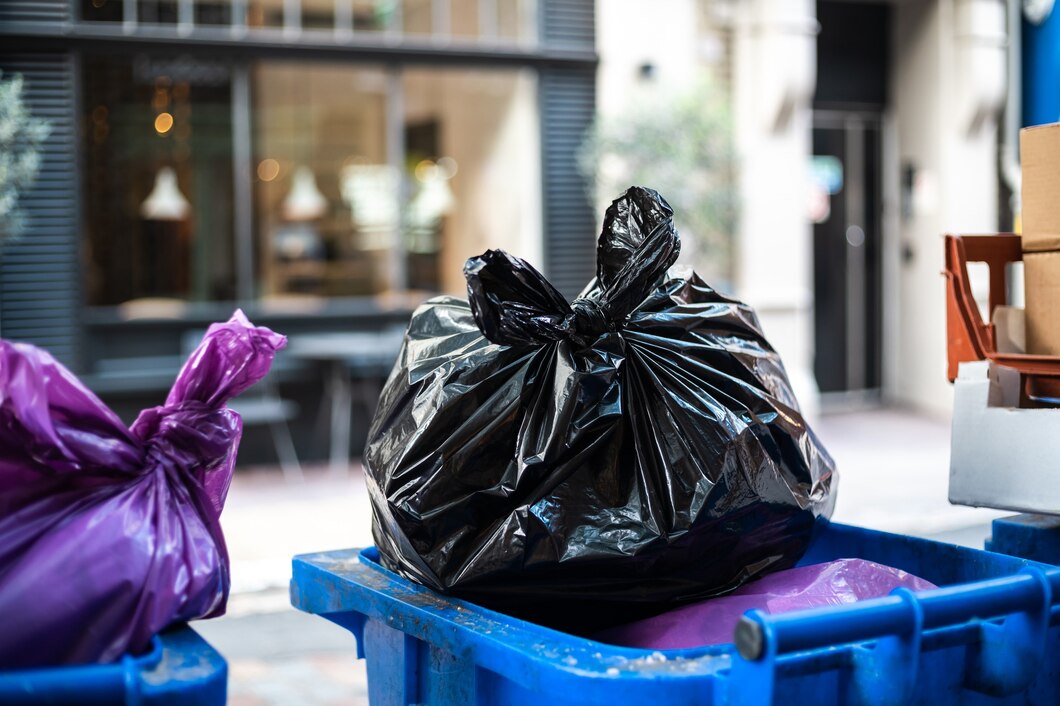
Dealing with stinky trash bags is a common annoyance in many households. You know that unpleasant surprise when you open your trash can, and a foul smell hits you. It's a problem many have faced, one that often leads to searches for solutions to remedy the odor. But why exactly do regular trash bags create such a stink? Understanding the causes can pave the way for more effective solutions.
The main culprits behind the unpleasant odor are usually the contents we discard, organic waste such as leftover foods or used coffee grounds. This waste, when accumulated in plastic bags, starts breaking down thanks to naturally occurring bacteria. This process, combined with a lack of air inside conventional plastic, produces those unwelcome odors. Thankfully, turning to eco-friendly options can not only solve the odor problem but also present a much more planet-friendly alternative. Let's explore these eco-friendly solutions and why they're worth considering.
Causes of Bad Odors in Regular Trash Bags
Regular trash bags, primarily made from plastic, lack proper ventilation, trapping all the smells inside. Over time, the contents, especially organic waste, begin to break down. Here's a closer look at the key reasons why these bags end up smelling bad:
- Build-up of Organic Waste and Bacteria: Foods and other organic materials are perfect hosts for bacteria. When such waste sits in a bag, bacteria feed on it, producing gases that result in unpleasant odors.
- Lack of Ventilation in Plastic Bags: Traditional plastic bags are designed to be airtight, trapping waste and odors inside. This contained environment allows waste to decompose without any airflow, which contributes to the bad smell.
- Prolonged Storage of Waste Indoors: Holding onto unrecycled trash for too long can worsen the odor. The longer waste sits inside without being disposed of, the more potent the smell becomes, intensifying over time.
By understanding the causes, we can search for solutions that target these specific issues, making your home smell fresher and more pleasant.
Common Odor-Fighting Methods That Fall Short
A lot of homeowners turn to simple fixes when they encounter smelly trash. Some common methods seem promising at first but often don't tackle the real cause of the stink in a lasting way. Here’s how some typical approaches stack up:
- Using Air Fresheners and Deodorizers: While these products temporarily mask odors, they don't eliminate the root problem: decomposing waste. The smell will soon return once the freshener's fragrance fades.
- Double-Bagging and Sealing: At first, this might seem like a logical step to prevent smell from escaping. Unfortunately, doubling up only prolongs the inevitable, as bacteria still grow inside and produce gas, leading to a more pungent odor once opened.
- Frequent Disposal Versus Sustainable Practices: A frequent solution is to take out the trash more often. Of course, this means increased use of non-biodegradable bags, raising concerns about sustainability.
While these methods provide short-term relief, they don't address the main causes of odors. Implementing eco-friendly alternatives can revolutionize the way we manage household waste, offering a more effective solution both in odor control and environmental impact. We will get into these green choices and their benefits next.
Benefits of Eco-Friendly Alternatives to Trash Bags
Making the switch from traditional plastic trash bags to eco-friendly alternatives comes with significant advantages. One of the primary benefits is that many eco-friendly bags are made from materials designed to prevent unpleasant odors. These bags often incorporate natural elements that enable them to breathe, reducing the buildup of stinky bacteria. By allowing airflow, they help keep the trash drier and less smelly.
Another considerable gain is the positive impact on the environment. Eco-friendly bags are typically made from compostable or biodegradable materials. Unlike conventional plastic bags, they are designed to break down in composting conditions, which means a home compost setup or a municipal collection program rather than a landfill. Landfills lack the oxygen and microbial activity that composting depends on, so the real benefit comes from actually getting the bag to compost.
Switching to eco-friendly options also promotes a healthier living environment. By reducing odor-causing bacteria and using materials that have less environmental impact, your home becomes a cleaner and more pleasant place. Such bags reflect a commitment to more responsible waste management practices, benefiting your home and the world.
Choosing the Right Eco-Friendly Alternative to Trash Bags
Finding the best eco-friendly trash bag involves paying attention to certain features. First, consider the material. Look for bags made from compostable materials, often labeled as PLA (polylactic acid) or starch-based. These components ensure the bag can break down naturally.
Next, focus on durability. Eco-friendly doesn’t mean flimsy. A good eco-friendly bag should be strong enough to handle regular waste without tearing. Check for features like extra thickness or reinforced seams. You’ll want a bag that can withstand everyday use while still being gentle on the environment.
For a bag that already checks these boxes, Plastno's compostable trash bags are made from a cornstarch, PLA, and PBAT blend and are BPI and TUV OK Compost HOME certified for both industrial and backyard composting.
Here are some other offers to consider when choosing eco-friendly bags:
- Size and Capacity: Ensure the bag fits your trash can and can hold your typical weekly waste amount.
- Odor Control: Look for bags with natural odor-fighting properties, such as those infused with essential oils.
- Ease of Use: Consider options that are easy to open and tie, much like traditional bags.
Choosing eco-friendly trash bags means paying attention to these features to find an option that fits seamlessly into your routine while supporting your goals for a greener lifestyle.
Freshen Up Your Home with Eco-Friendly Alternatives
Switching to eco-friendly trash bags brings a myriad of advantages beyond reducing odors. These alternatives help create a fresh, inviting atmosphere in your home, aligning your habits with your values. As you adopt these bags, the entire household can enjoy knowing that each trash day contributes to a healthier planet.
Each bag used doesn't just mask the problem, it actively solves it, ensuring that garbage management becomes a responsible and rewarding task. In choosing sustainable options, you support an eco-friendly lifestyle that benefits not only your home environment but also the global one. Make this change, and let every bag you take out lead the way in a cleaner, greener direction.
A compostable bag will not erase every smell on its own, but pairing simple habits (drain wet waste, take the bin out on time) with a bag that actually composts cuts down on both the mess and the plastic. If the empty can still smells with the bag out, the bag is not the source and the can itself needs a wash, which is covered in how to clean a trash can. You can browse the full compostable bag range to match your bin size.

Share:
The Sustainable Spring Cleaning Checklist, Room by Room
Green Cleaning Tips for a Fresh, Low-Waste Home