

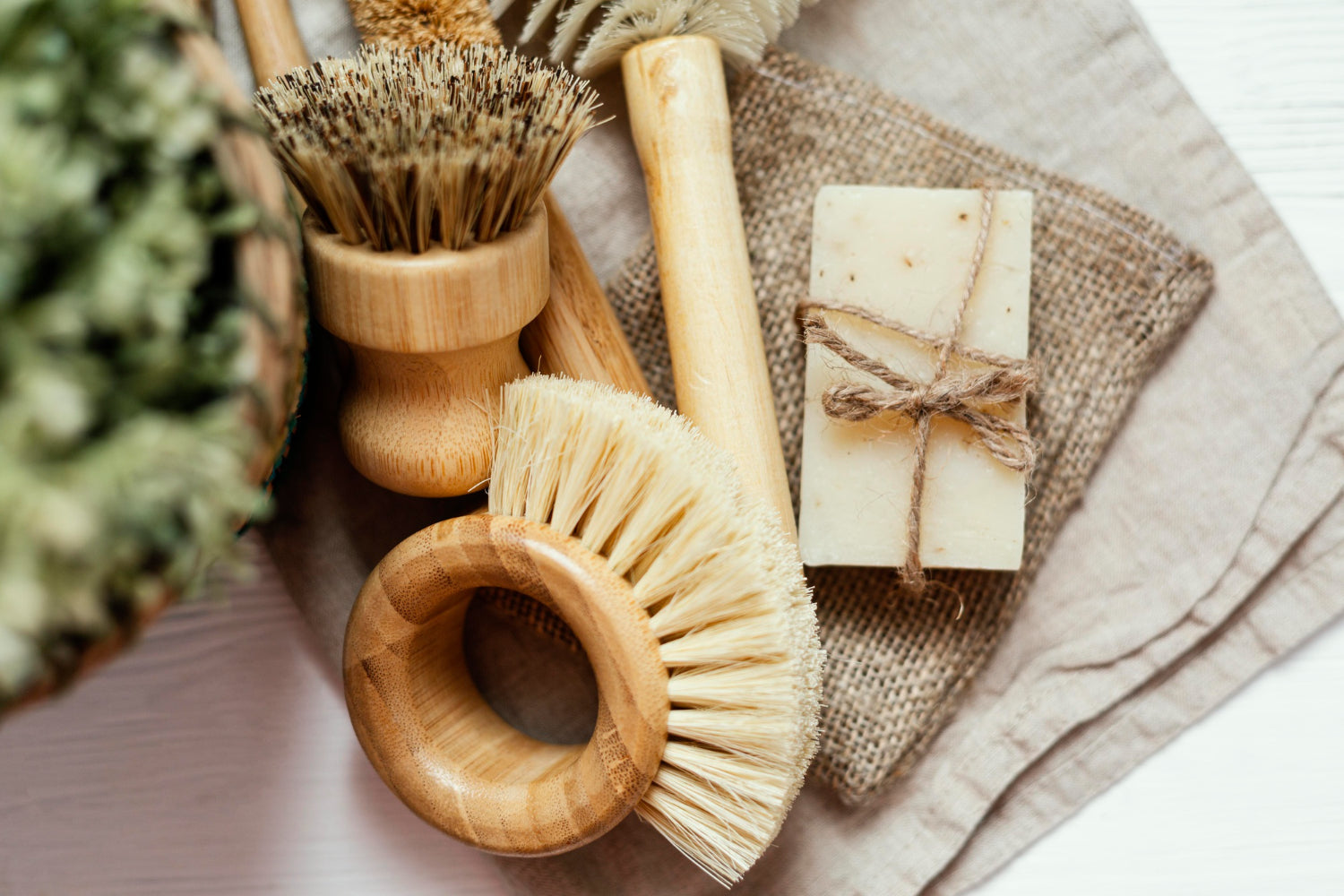
Every room in a typical home has its go-to cleaning tools, but a lot of those are still made out of plastic. From scrub brushes to spray bottles, we use them, toss them, and replace them far more often than we probably realize. Over time, it adds up, not just in the trash but in the parts of our routine that could be simpler.
That’s why we’ve started looking more closely at how to switch those out for better choices. By using eco friendly household products instead of plastic ones, we can make a real difference without changing how we clean. Room by room, it’s easier to trade plastic tools for reusable, compostable, or refillable options than it might seem. Whether you're tidying the kitchen or freshening up the bathroom, here’s how to start swapping in habits that work better for you and the planet.
Kitchen: Clean Without Clutter or Plastic
The kitchen tends to collect the most plastic tools, sponges, spray bottles, brushes, and more. Since it’s one of the most-used spots in any home, it’s also a great place to begin making smarter swaps.
Here are a few easy ones to start with:
• Switch out synthetic sponges for ones made with plant-based fibers like cellulose or loofah. These hold up with everyday dishwashing and can be composted when you're done with them.
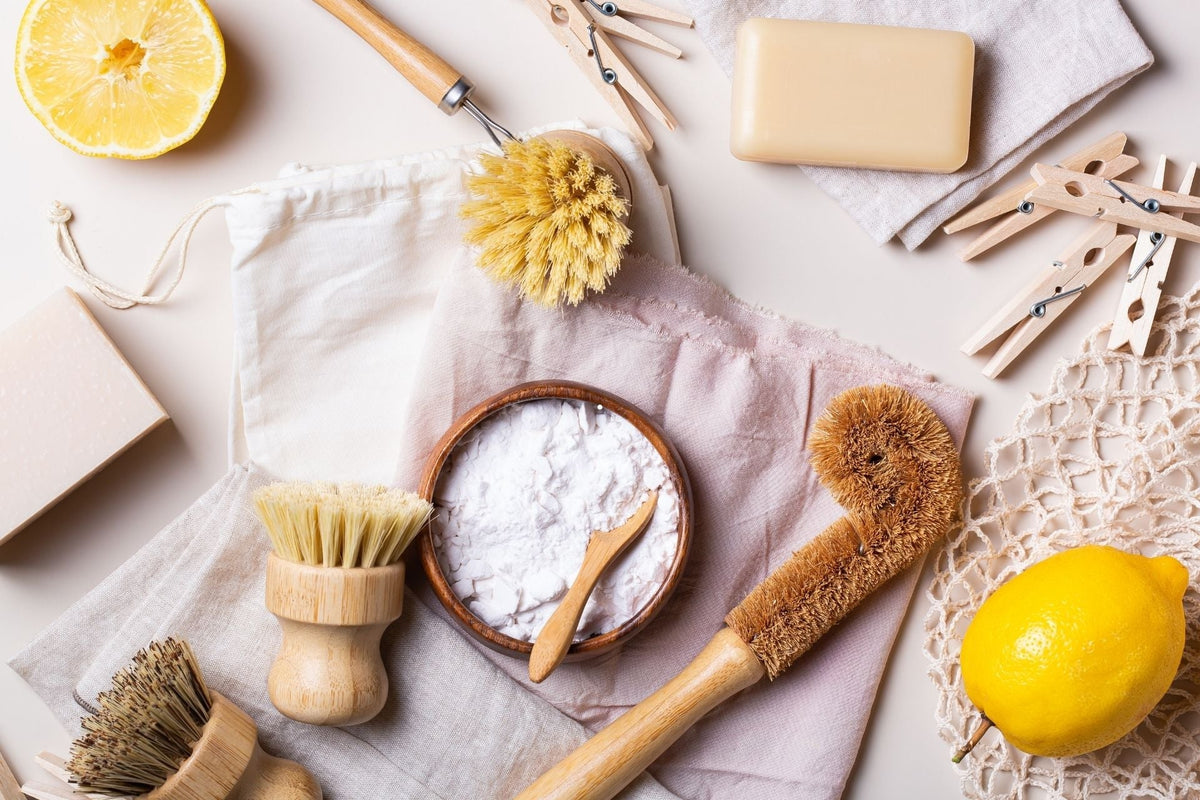
• Instead of buying new spray bottles every season, try refillable bottles paired with concentrated cleaner tablets or homemade mixes using white vinegar, lemon, or baking soda.
• Swap plastic-handled dish brushes and scrapers for bamboo or metal versions. They last longer, look better on the counter, and feel sturdier when scrubbing baked-on grime.
Our NoPlastic Scrub Sponge is made from loofah and cellulose, giving you a biodegradable, plant-based alternative to plastic sponges for scrubbing dishes, countertops, and other kitchen surfaces.
Our NoPlastic Multi Cleaner Tablet is formulated to make 16 fluid ounces of multi surface cleaner in a reusable spray bottle, so one plastic-free tablet can handle most stovetops, countertops, and other hard surfaces you clean every day.
Cleaning the kitchen gets much easier when you don’t have to chase down replacements all the time. Swapping a handful of tools now means fewer plastic parts sitting in the sink or the trash later on.
Bathroom: A Smaller Space, Big Plastic Footprint
Bathrooms might be small, but they hide more disposable plastic than we’d expect. From toilet brushes to cleaning sprays, lots of items are designed to get tossed and replaced quickly.
Small swaps that make an impact include:
• Replace disposable toilet brushes with reusable ones made of silicone or wood. Some options include biodegradable holders for easy storage and cleanup.
• Move away from plastic spray bottles filled with glass or surface cleaner. Instead, try bulk refills or refillable bottles designed for repeated use.
• Keep a stash of washable cloths in a cabinet or basket under the sink. These work better than disposable wipes or paper towels for wiping down surfaces like mirrors, tiles, or counters. A reusable Swedish dishcloth, made from cellulose and organic cotton, is biodegradable and can take the place of a roll of paper towels for these quick wipe-downs.
Many of us already clean the bathroom regularly. By switching a few supplies, it becomes easier to keep it clean without adding plastic to the mix each week.
Living Room: Dusting and Surfaces Made Simpler
It’s easy to forget about cleaning tools in the living room, but they matter too. Things like plastic dusters, polish sprays, and disposable wipes are common, especially if you clean in a hurry or have kids and pets constantly leaving fingerprints and smudges.
Here are a few swaps to make living room cleaning more eco-friendly:
• Use reusable cloths instead of feather or plastic-handled dusters. A simple cotton or microfiber cloth will trap dust and can be tossed in the laundry after each use.
• Skip the heavily scented synthetic sprays and wipe surfaces with a damp cloth or choose non-toxic polish with cleaner ingredients.
• Try storing cleaning supplies in reusable glass jars, tins, or baskets rather than plastic tubs. It’s a small change that keeps your supplies tidy and cuts back on visual clutter.
By keeping your go-to tools reusable and low-waste, it’s easier to stay on top of your living room mess without leaning on plastic shortcuts.
Bedrooms and Closets: Small Changes Add Up
Bedrooms and closets don’t need to be cleaned as often, but that doesn’t mean they don’t hide plastic behind the scenes. Think drawer liners, scent sprays, disposable wipes, and furniture polish bottles.
Here’s what we’ve found works better:
• Instead of plastic air fresheners or plug-in scent pods, shake a bit of baking soda into a small dish or use bundles of dried herbs like lavender or mint in drawers or closets.
• Make dusting easier by using washable cotton cloths with a natural polish or oil blend on dressers, side tables, and doors.
• Keep an extra cloth folded in nightstands or closet shelves to handle quick spills or dust so you don’t need to reach for throwaway dusters.
Bedrooms are a great place for slow and steady change. Since they stay clean longer, even one simple habit can help reduce waste over time.
Laundry and Utility Room: Don’t Skip the Extras
The laundry room is one of those sneaky places where plastic still shows up a lot, especially in bulky detergent jugs or scrubbing tools that only last a few uses. These rooms might not get as much attention, but they carry a lot of the supplies our routines depend on.
Here’s how to clear out the plastic without disrupting the flow:
• Try laundry strips or detergent pods that come in cardboard sleeves instead of plastic bottles.
• Use reusable latex or silicone gloves instead of those soft plastic gloves that tear easily and need frequent replacing.
• Choose mop heads or duster parts that are machine washable. That way you aren’t tossing entire tools every few weeks.
For trash in these spaces and around the home, our 13 gallon NoPlastic Waste Bag Tall is made from plant-based materials like cornstarch, PLA, and PBAT, so it is certified compostable and sized to fit most standard tall kitchen trash bins.
This space holds the items we rely on for cleaning the rest of the house. Keeping it stocked with better tools makes every chore a little easier.
Keep It Going with Smarter Swaps
You don’t have to replace every item in your house overnight. The best way to make lasting change is to start with the tools you use most each day. Pay attention to the items you throw away often, and swap them out for something you can reuse, refill, or compost.
Using eco friendly household products in one room often leads to habits that work across the whole house. Once you start updating your kitchen or bathroom tools, it’s easier to keep the momentum going. And with each new swap, you begin to see how much cleaner your home feels, not just on the surface but in the way it supports less waste and fewer plastic leftovers.
At Plastno, we believe that making small changes in your home can have a big impact on reducing waste. From the kitchen to the laundry room, selecting the right tools is just as important as how you use them, which is why we create options that fit your habits without relying on plastic. When you're ready to swap out a few basics and start fresh, our eco friendly household products can help you get started, and we're here to answer any questions or guide you toward the perfect fit.
Share:
How to Keep Your Kitchen Sponge from Getting Gross Too Fast
Simple Ways to Keep Your Cleaner Bottles Organized and Refilled