

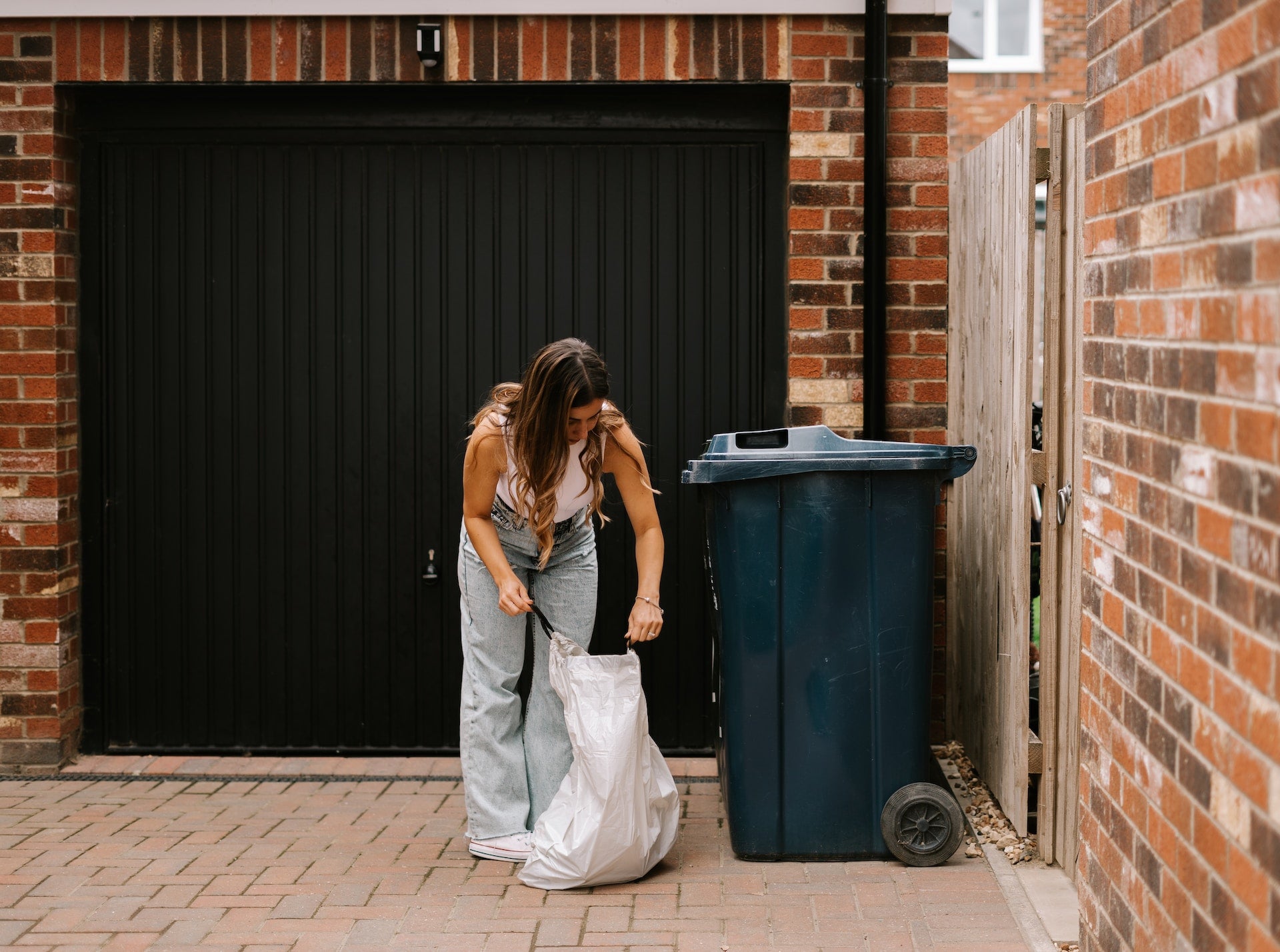
Sorting waste at home sounds fussy, but a good setup makes it almost automatic. The key is a simple system and knowing what actually goes where, so good intentions do not end up contaminating a whole bin. Here is how to sort your household waste the right way.
Set up three simple streams
Most homes only need three bins, placed where the waste happens: recycling, compost, and landfill. Keep them side by side in the kitchen so sorting takes no extra steps. If the right bin is not within reach, things end up in the wrong one.
What goes where
- Recycling: clean paper and cardboard, glass, metal cans, and the rigid plastics your local program accepts. Rinse containers first, since food residue can spoil a batch.
- Compost: fruit and vegetable scraps, coffee grounds, eggshells, and yard trimmings. Keep meat, dairy, and oily foods out of a backyard pile.
- Landfill: what is left, including soft plastics and anything your local programs do not take.
Avoid the common mistakes
Two habits cause most problems. The first is wishcycling, tossing something in the recycling because you hope it is recyclable. When in doubt, check your local rules, because the wrong item can contaminate the rest. The second is bagging recyclables in a plastic bag, which many facilities will reject outright. Recyclables should go in loose.
Pick the right bags
For the compost stream, line the bin or caddy with a compostable trash bag so the bag breaks down with the scraps instead of being fished back out. Plastno's tall 13-gallon compostable bag is made from a cornstarch, PLA, and PBAT blend and is certified for both home and industrial composting, so it can break down alongside your food scraps. For a deeper how-to on the compost side, see our home composting guide. Keep recyclables loose, and reserve regular liners for the landfill bin only.
Share:
Top 7 Surprising Benefits of Reducing Plastic Waste
7 Benefits of Biodegradable Plastics: A Comprehensive Guide