

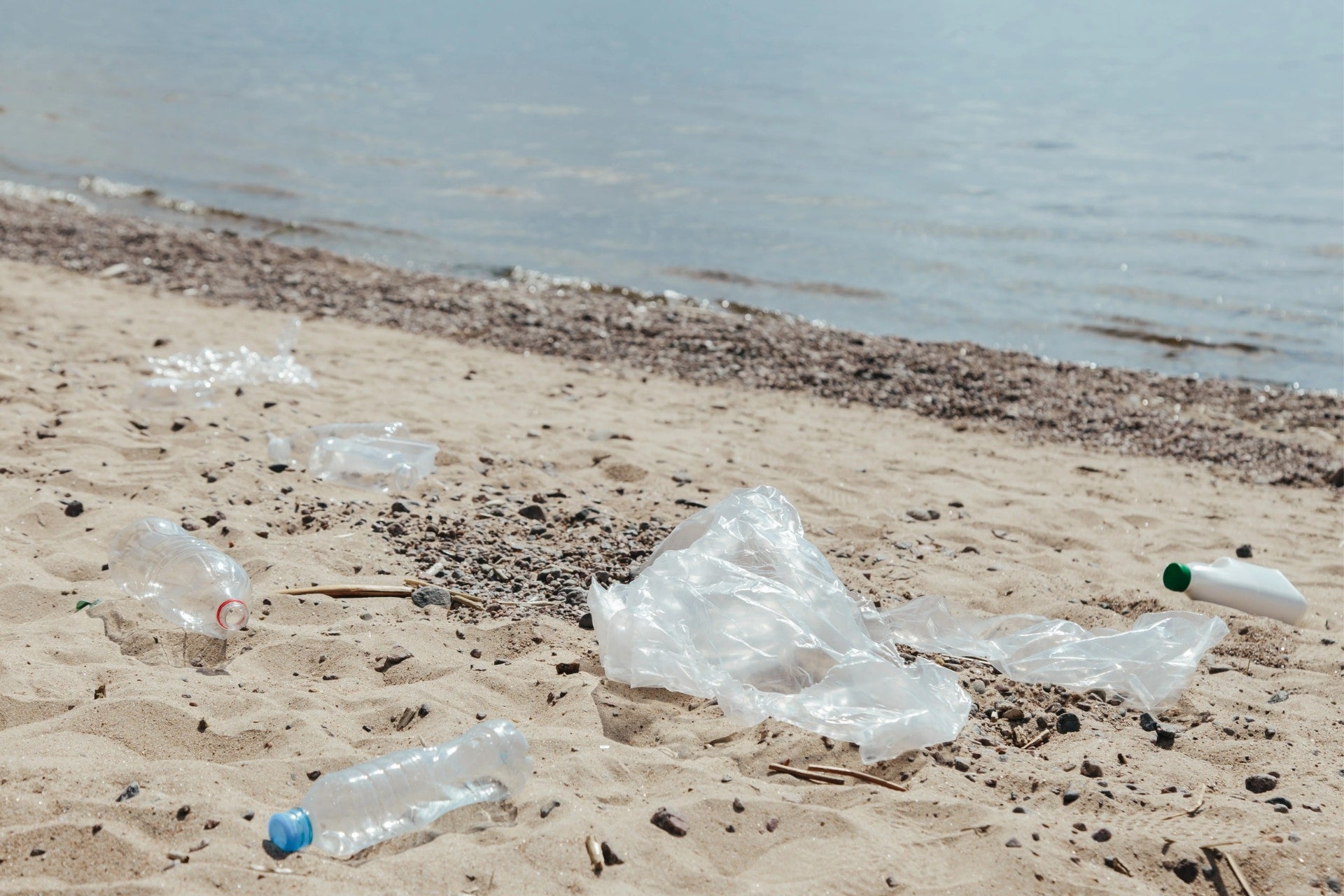
Reducing plastic waste has recently become a global movement, and for a good reason. The negative impact of plastic on the environment is well-known, but there are also many surprising benefits to reducing plastic waste.
Let’s explore the top incredible benefits of reducing plastic waste.
Promotes Economic Growth
Reducing plastic waste can have a positive impact on the economy. This setup can even create new business opportunities and jobs in the recycling, manufacturing of compostable bags, and waste management industries. This can help boost local economies and create sustainable growth.
Improves Public Health
Plastic waste can hurt public health. Plastic pollution in our oceans and waterways can harm marine life, and microplastics have been found in our food and drinking water. We can improve public health by reducing exposure to harmful chemicals and pollutants by reducing plastic waste. This can contribute to a healthier and more sustainable environment for everyone.
Saves Energy
Plastic production requires a significant amount of energy. We can conserve energy and reduce greenhouse gas emissions by reducing plastic waste. According to experts, the production of plastic requires natural gas and crude oil, both labeled as nonrenewable fossil fuels. By reducing plastic waste, we can help reduce our carbon footprint and combat climate change.
Saves Wildlife
Plastic waste can have a devastating impact on wildlife. According to the World Wildlife Fund, plastic waste has been found in over 90% of seabirds and over 50% of sea turtles. We can help protect wildlife and their natural habitats by reducing plastic waste. This can help preserve biodiversity and ensure that future generations can enjoy these fantastic creatures.
Reduces Landfill Waste
Plastic waste is a significant contributor to landfill waste. It is even the top cause of municipal solid waste streams. By considering biodegradable and compostable bags instead, we can reduce the amount of waste that goes into landfills. This can help extend the lifespan of landfills and reduce the need for new ones.
Plastno's compostable kitchen trash bags are certified compostable for both home and industrial composting, so food scraps and the bag can break down together in a compost stream rather than being sent to landfill.
Improves Water Quality
Plastic waste can harm water quality. Plastic pollution in our oceans and waterways can harm marine life and disrupt ecosystems. We can improve water quality and protect our natural resources by reducing plastic waste. This can help ensure that we have clean and safe water for drinking, swimming, and other recreational activities.
Saves Money
Reducing plastic waste can also help us save money. We can reduce our dependence on single-use plastics by switching them out for reusable bags, water bottles, and containers. This can help us save time by reducing the need to purchase new plastic products constantly. Additionally, reducing plastic waste can help us avoid the costs of cleaning up plastic pollution and managing landfill waste.
To Recap
Reducing plastic waste has many surprising benefits beyond just protecting the environment. By promoting economic growth, improving public health, saving energy, saving wildlife, reducing landfill waste, improving water quality, and saving money, we can create a more sustainable and prosperous future for ourselves and future generations. We can significantly impact the world around us by taking small steps to reduce our plastic waste.
Plastno offers a sustainable and reliable solution for household waste with their biodegradable and compostable trash bags for the planet. Plastno's compostable trash bags are made from a blend of cornstarch, PLA and PBAT, and are certified by BPI for industrial composting facilities and by TUV OK Compost HOME for backyard piles. PBAT is petroleum-derived, so these are not a fully plant-based bag and we would rather say so plainly. They are designed to break down in composting conditions, not in landfill. If you're looking for an environmentally-conscious option for your kitchen trash, check out our compostable and biodegradable trash bags.


Share:
How to Sort Your Waste at Home, Recycling and Compost Made Simple