

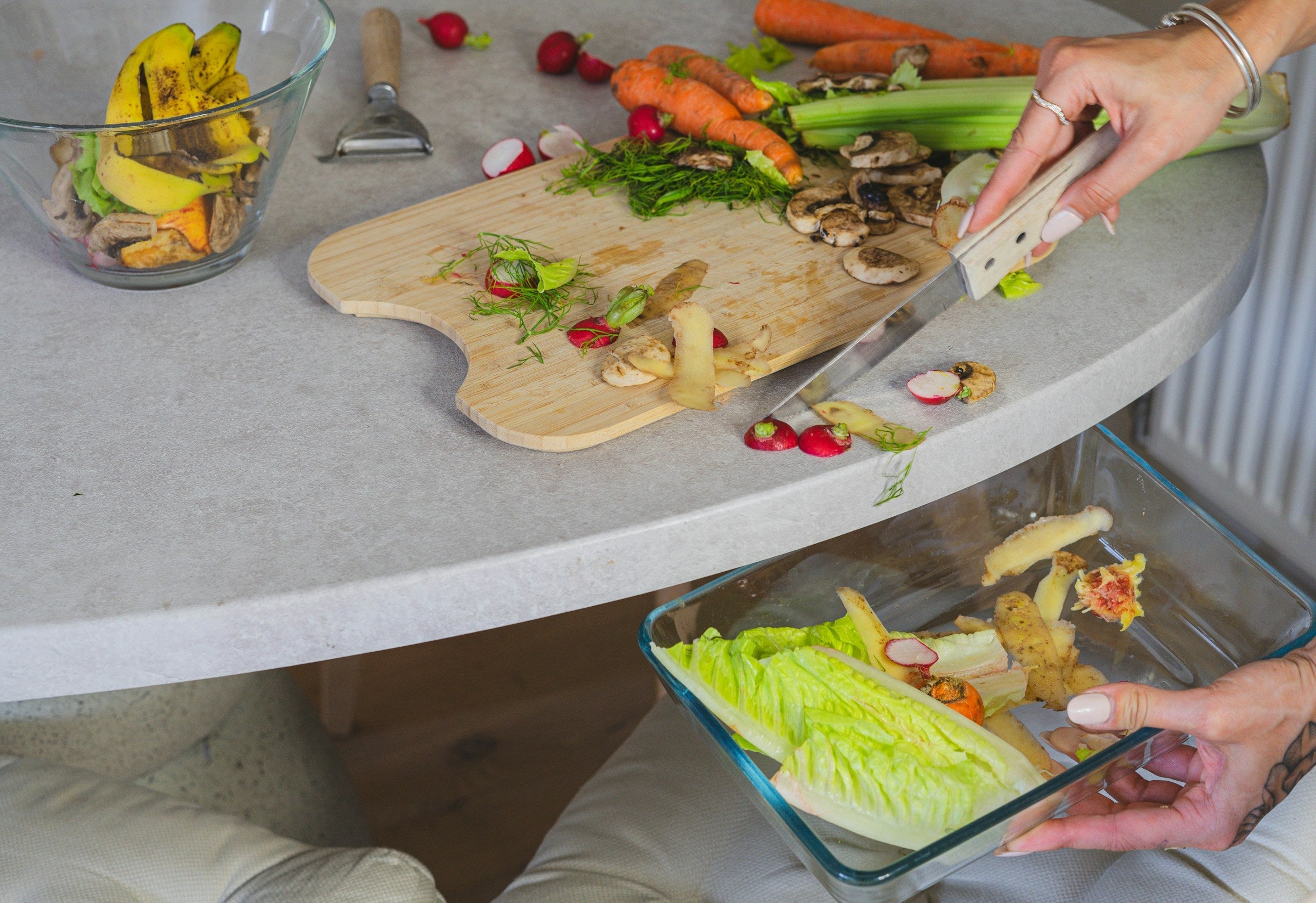
When your kitchen smells off, even after taking out the trash, food scraps might be to blame. Whether it’s banana peels, onion skins, or last week’s leftovers, food waste tends to release some strong odors, especially if it’s been sitting in the bin too long.
One easy way to tackle this problem is by building smart habits and using tools that help control those smells. Compostable garbage bags are a great place to start, especially if you're trying to reduce plastic at home. Now’s the perfect time to rethink how we handle food scraps before cooler weather keeps our windows closed and odors trapped inside. Let’s look at a few ways to keep our kitchens smelling clean and fresh without a lot of effort.
Why Food Scrap Odors Linger
Food waste starts breaking down faster than most of us expect, and that’s when the smells begin. Peels, eggshells, fruit cores, and veggie trimmings all start to soften and release gas once they sit in a warm space for more than a few hours. That smell doesn’t mean your kitchen is dirty. It just means the scraps are doing what organic matter does.
But when bins fill slowly or lids don’t stay sealed, those odors start to hang around. Throw in high humidity from boiling soup or running the dishwasher, and you’ve got the perfect conditions for stinky trash. Even a few small scraps can lead to a big smell if the routine doesn't keep up.
Some kitchens also struggle with where to store food waste. If bins are tucked in cabinets without airflow or placed near warm appliances, things can go bad faster. The good news is a few changes to your daily habits can make a big difference. A simple routine helps limit the time food waste sits, which matters most when temperatures in the kitchen fluctuate during the day.
Fix Your Food Waste Routine
Getting ahead of food scrap odors doesn’t mean a full kitchen overhaul. The biggest changes usually come from small, consistent habits.
• Make it a rule to take out food scraps once a day, even if the bin isn’t completely full.
• Wipe down your countertop compost bin or food waste caddy after each empty, even if it looks clean.
• Line your container with compostable garbage bags, which do a better job of handling moisture and helping scraps break down without creating messes. Our bags are made from a cornstarch, PLA, and PBAT blend, and they are BPI certified for commercial composting and TUV OK Compost HOME certified for backyard compost.
• Don’t let scraps pile up under the sink or in containers without lids. A tight fit and regular emptying can hold off even strong smells like garlic or citrus.
When the routine gets easy and automatic, you’re less likely to run into surprises when you open the lid. If you cook often, try adjusting your food scrap routine by emptying after chopping fresh produce or prepping meals for the week. That way, no matter how much you cook, odors won't get a chance to build up.
Smarter Bin Setups That Block the Stink
Sometimes it’s not the scraps, it’s the container they go into. If food waste bins aren’t built for the job, they can let odors leak into the air. That’s why it helps to pick the right size and setup for your kitchen.
• Use a bin with a secure-fitting lid that seals in air and keeps smells contained.
• Keep food waste separate from regular trash, so it doesn’t get buried under other items and forgotten.
• Avoid placing bins near ovens, dishwashers, or heaters. These warm spots can speed up breakdown and lead to faster odor build-up.
We also offer tall compostable waste bags in a 13-gallon size, which fit most standard kitchen bins and help make daily emptying easy.
Think about how often you cook and how much food waste your household creates in a day. Choosing a setup that fits your routine means bins won’t sit too long or overflow. A little planning, like having a smaller caddy on the counter and a larger bin outside the kitchen, makes it easier to separate scraps without letting them go bad indoors.
Low-Smell Habits That Add Up
We can’t stop food from spoiling, that’s nature, but we can make sure the smell doesn’t take over the house. A few tweaks in your kitchen routines can go a long way toward that.
• Freeze smelly scraps like meat trimmings, bones, or broccoli stalks in a bag or container until trash day.
• Toss a spoon of baking soda into the bottom of your bin to help neutralize odors between empties.
• Empty trash just before cooking dinner or hosting a guest so your kitchen smells fresh and clean no matter what’s on the stove.
• Stick to a “last out” habit. Take the scraps out when you leave the house or when the dishwasher finishes so they don’t sit overnight.
These low-effort habits can become second nature, especially once you see (or smell) the difference they make. Taking out the trash at the same time as you do other regular chores, like feeding the pets or wiping the counters, can help remind everyone at home to pitch in. Over weekends, consider doing a quick bin clean to reset for the week ahead, and our guide on how to clean a trash can covers the full method.
When Cooler Months Don’t Mean Fewer Smells
With the windows closed and the heat on, smells inside tend to stick around longer in the cooler seasons. Fall and early winter might feel crisp outside, but indoors, trash bins can still get ripe if not handled right. Heating systems dry out the air, but they also raise the temperature in closed spaces, which can cause food waste to break down even faster.
This is a good time of year to take stock of what’s working in your trash routine and what isn’t. If bins are holding on to liquids or trash is sitting too long, cold-weather months will make it harder to mask the smells.
Try starting a fall cleanout. Wash your bins. Restock with sturdy liners. Shift your food waste routine if needed. A solid setup now pays off through the busy holiday stretch, when guests are visiting and kitchens are working overtime. If you find frequent smells still slip through, it could be time to consider an air purifier or simple charcoal filter nearby, just to help neutralize odors that escape from the bin. These extra steps often create a more comfortable kitchen as the days get shorter.
A Cleaner Finish for Fall
Staying on top of food scrap odors is about choosing the right tools and keeping simple routines. Our liners are BPI certified for commercial composting and TUV OK Compost HOME certified for backyard compost, so the scraps and the liner can go the same way. Being mindful of where and how you store food scraps makes it easier to enjoy a fresh kitchen every day.
Even on your busiest days, having a go-to plan for quick trash checks helps prevent surprises. A quick wipe of the bin rim and lid during regular kitchen cleanups prevents sticky buildup that can trap smells. When everyone in the house knows the system, it’s much easier to keep up, and you don’t have to worry about catching a strong odor after a long day or when hosting last-minute visitors.
If you have a family, involve the kids in the routine by showing them how easy it is to use the right liners and check if it’s time to take the scraps out. These small habits help children learn about preventing waste and why making eco-friendly choices matter at home.
Make the Fresh Change Today
Fixing food scrap odors isn’t about finding one perfect solution. It comes down to how we manage everyday trash in a way that keeps our homes healthy and pleasant. When we stay consistent, emptying bins regularly, choosing better liners, keeping things clean, those little steps lead to big results.
With just a few habit changes, our kitchens can smell as fresh as they look. The best part? These choices don’t just make our homes feel better, they’re kinder to the planet too.
At Plastno, we believe that keeping your kitchen fresh should be simple and sustainable. Small changes like emptying your scraps each day and choosing the right liners help control odors and cut down on kitchen waste. Our products are made for eco-friendly homes that want to stay clean without adding waste to the planet. Ready to upgrade your routine? Try our compostable garbage bags made for everyday food waste. Have questions about the best setup for your space? Reach out to our team today.


Share:
Setting Up Eco-Friendly Storage Solutions at Home
How to Set Up Simple Holiday Food Scrap Sorting at Home