

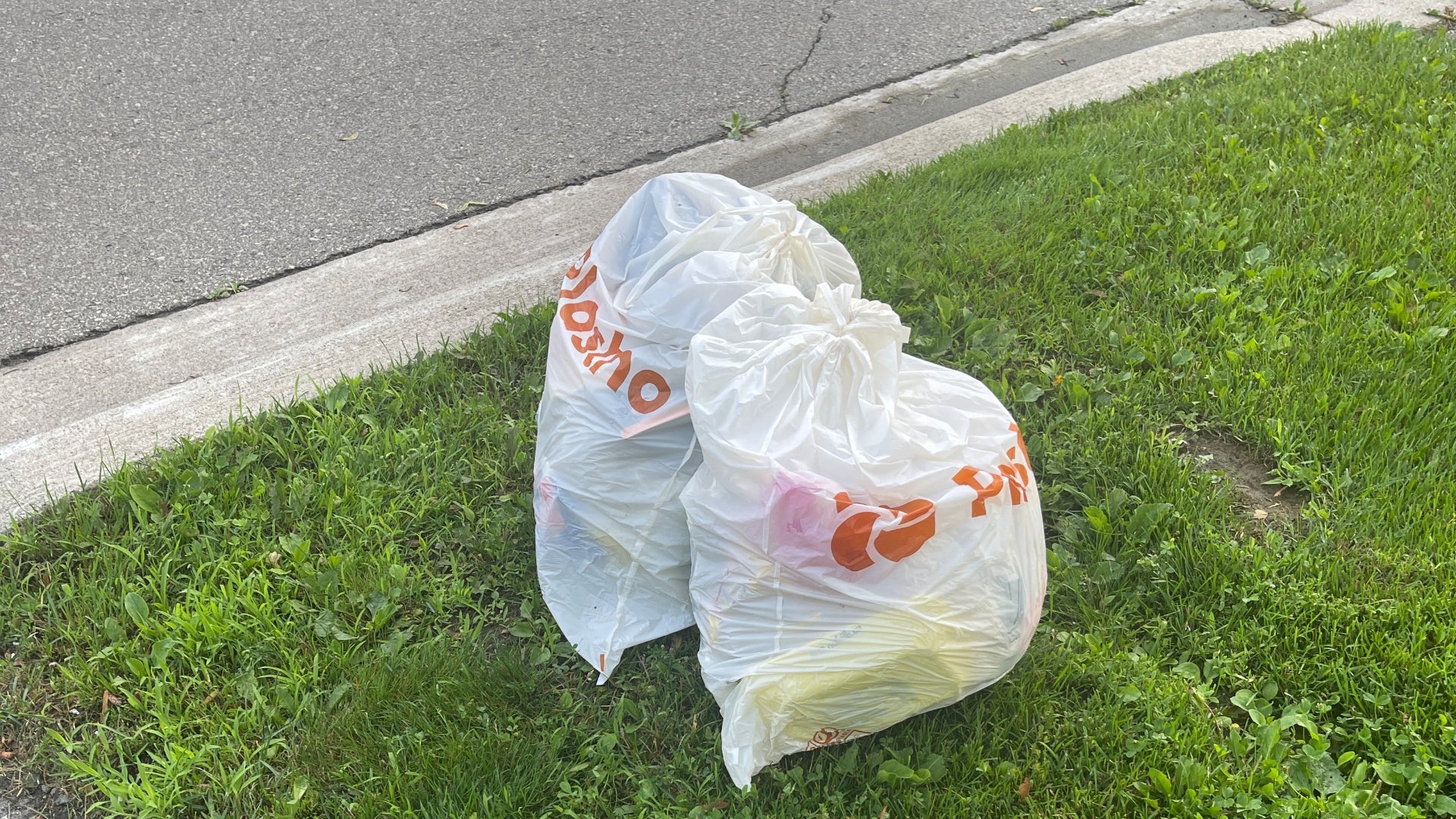
As the world becomes more environmentally conscious, people are searching for ways to reduce their impact on the planet. One way to do this is by using biodegradable garbage bags. These eco-friendly trash bags are made from materials that can break down naturally, unlike traditional plastic bags, which can take hundreds of years to decompose. But what exactly are biodegradable garbage bags made of? Here are the different materials used to make these eco-friendly trash bags.
1. Cornstarch
Cornstarch is one of the most common materials used to make biodegradable trash bags. Cornstarch is a renewable resource that can be broken down naturally in the environment. When cornstarch bags are disposed of, they will decompose over time, leaving no harmful residue behind. These bags are also strong and durable, making them a practical choice for households and businesses alike.
2. Plant-Based Polymers
Biodegradable garbage bags made from plant-based polymers are another eco-friendly option. These polymers are made from natural materials such as sugarcane, potatoes, and soybeans. They can be broken down naturally in the environment and do not release harmful toxins or chemicals. Plant-based polymer bags are also strong and durable, making them a practical choice for a variety of purposes.
3. Recycled Materials
Biodegradable trash bags made from recycled materials are an excellent choice for those who want to reduce waste and recycle. These bags are made from recycled plastics and other materials and can decompose naturally over time. They are strong and durable and can be used for a variety of purposes, making them a practical choice for households and businesses alike. Using recycled materials to create biodegradable bags also helps reduce the amount of waste going to landfills, making them eco-friendly.
4. Paper
Paper bags are another option for those who want to use biodegradable garbage bags. While paper bags are less strong than other materials, they can still be a practical choice for lightweight waste such as paper and cardboard. Paper bags decompose naturally in the environment when disposed of, leaving no harmful residue behind. They are also a renewable resource that can be easily recycled.
5. Oxo-Biodegradable Plastic
Oxo-biodegradable plastic is a type of plastic that is designed to break down faster than traditional plastic. These bags are made with an additive that helps them to break down naturally in the environment. However, there is some controversy surrounding oxo-biodegradable plastic, as some experts argue that it may break down slower than claimed and can still leave harmful residue behind. While they may be better than traditional plastic bags, oxo-biodegradable plastic bags are not as eco-friendly as other biodegradable options.
Conclusion
Biodegradable garbage bags are an excellent choice for those who want to reduce their impact on the environment. They are made from materials that can break down naturally, leaving no harmful residue behind. Whether you choose cornstarch, plant-based polymers, recycled materials, paper, or oxo-biodegradable plastic, many options suit your needs, and knowing how biodegradable and compostable differ helps you pick one that truly breaks down. Using biodegradable garbage bags can make a small but meaningful change toward a greener lifestyle.
If you are looking for eco-friendly ways to manage your kitchen trash, consider switching to Plastno compostable trash bags. They are certified compostable, so they break down in a home or industrial compost setting instead of lingering like conventional plastic.


Share:
For a Better Earth: 7 Alternatives to Plastic Trash Bags
Simple Tricks to Effortlessly Place a Trash Bag in Your Bin