

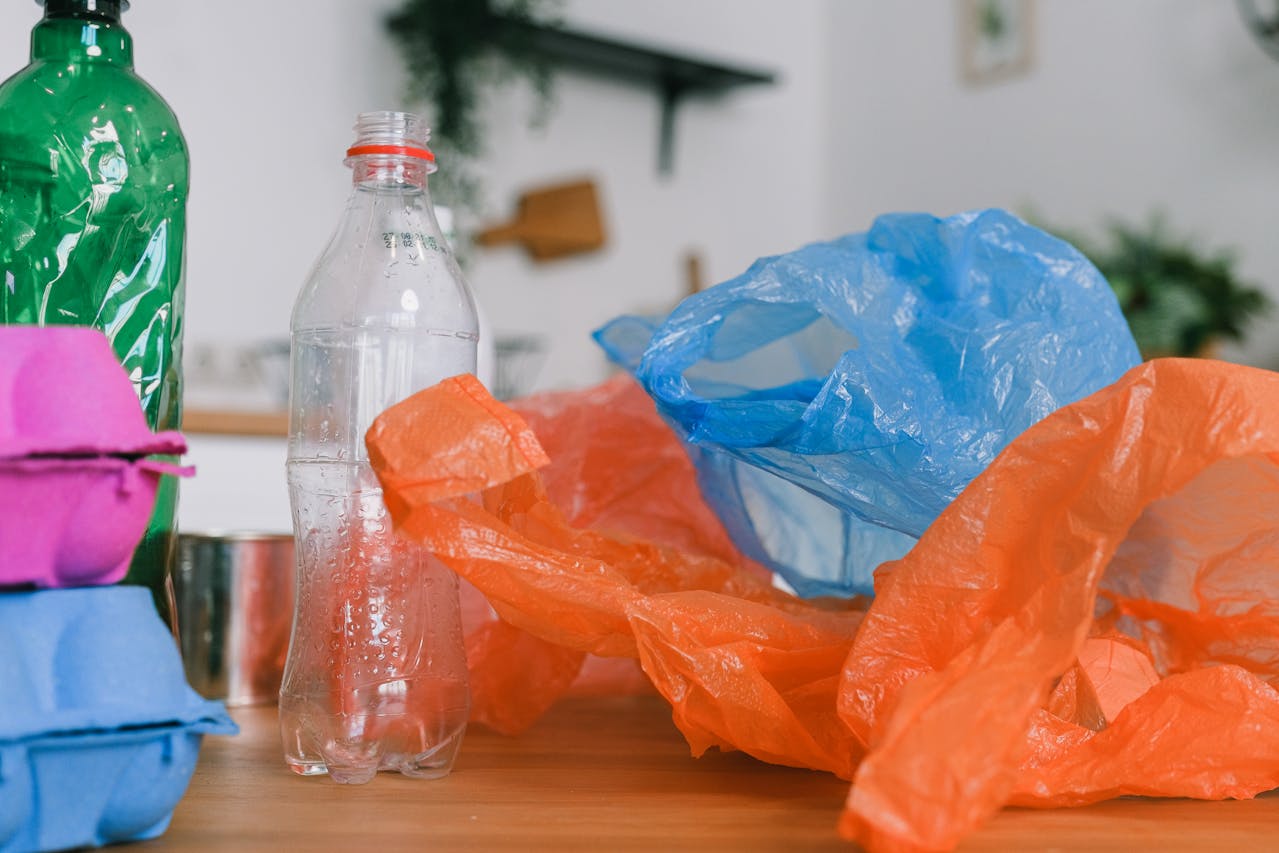
Biodegradable bags are a great swap for anyone trying to cut down on plastic in the home. They’re cleaner, safer, and better for the planet. But to keep them working the way they should, how you store them makes a big difference.
These bags are made from plant-based materials like cornstarch, which means they respond to changes in the air around them. Our tall kitchen bags use a blend of cornstarch, polylactic acid, and PBAT that is certified compostable in both home compost piles and commercial facilities. Cold temperatures in winter or damp spots near the kitchen can make them break down faster than expected. And if you have stocked up on biodegradable bags in wholesale packs, you'll want to take extra care so you’re not wasting what you bought.
Knowing where and how to store these bags can help you keep them strong and ready when you need them. Whether you have a few rolls for the month or a bulk order for the season, here are some practical tips to keep them fresh and functional.
Storing Biodegradable Bags in Cold Weather
Winter is tough on more than just your skin and your heating bill. Colder air can make biodegradable bags go stiff or even crack. That is because lower temperatures affect the natural materials, slowing their breakdown but also making them less flexible. In places where outside air sneaks in, condensation can form, leaving the bags damp and fragile without you realizing it.
The easiest fix is storage. Avoid keeping bags in garages, sheds, or outdoor bins. These spaces can stay cold for days, even longer than the outdoor temperature, and leave bags brittle by the time you need them.
Instead, try indoor spots that stay consistently mild. Good places might be:
• Kitchen drawers away from the oven or stove
• Bedroom or hallway closets
• Bathroom cabinets that don’t get too steamy
Stay away from storing bags near heating vents, radiators, or spots where cold drafts sneak in through old windows. You don’t need special equipment, just a stable place with low moisture and a steady temperature.
Avoiding Moisture and Humidity at Home
Moisture is the other quiet threat to a good roll of bags. Unlike regular plastic, biodegradable materials tend to react quickly to the humidity in the air. Even mild dampness from a dishwasher, leaky pipe, or kitchen steam can start the decomposition process early.
That does not mean you have to keep the bags in a climate-controlled vault. A few simple habits can help prevent damage:
• Store bags in large, sealable containers like glass jars, dry food bins, or unused lunch boxes
• Keep them away from areas you know collect steam or splash water
• Avoid the cabinet right below the kitchen sink, unless it's dry and never used for pipes or cleaners
Kitchens and pantries work well as long as the bags are sealed and dry. If you are using a drawer that shares space with dish towels or lunch bags, consider putting the bag roll in its own pouch just to keep water out. A little barrier goes a long way.
What to Know When You Buy in Bulk
It makes sense to stock up on cleaning supplies when they run out fast. But with biodegradable bags in wholesale quantities, it is worth having a plan for how and when to open everything. These bags do not last forever, and bulk storage can sometimes lead to waste if they are not rotated and kept sealed. We note that the bags have a shelf life of about 12 months and suggest not stocking up more than you will need for 3 to 4 months at a time so unused rolls do not go soft or brittle.
Here are a few ways to make bulk buying work:
• Keep wholesale packs sealed until you’re ready to use them so no air or humidity sneaks in
• Use older bags first to keep stock fresh
• Store back-up bundles in a hard-shell container or bin with a lid
Large rolls and boxes should stay in closets or stored high in pantries away from sunlight and warm appliances. Don’t let them sit directly on cold basement cement or next to laundry machines. If you open more than you need, resealing the extra bags back in their carton or a zip bag can help slow early wear.
Smart Storage Tips for Different Rooms
Every house is laid out differently, but most of us have a few reliable spots to tuck things away. If you're looking to set up your bag stash in a way that is easy to grab and still keeps things fresh, the key is to get organized.
Here’s how to stay tidy without forgetting where anything is:
• Keep a small roll of bags in the kitchen near the trash bin so it is always within reach
• Use labeled bins or baskets in closets to sort bags by size or room use
• Store extras in bedrooms, guest rooms, or linen closets where it's dry and shelves go unused
Having mini stashes around the house can really help, especially if you're in a daily rhythm of cleaning or changing bins. But just make sure those extras stay sealed until you need them. It keeps them cleaner and longer-lasting, even if it takes an extra minute to open up a box.
Stay Ready With a Cleaner, Simpler Setup
Keeping biodegradable bags useful takes a few thoughtful steps, but once you get into the habit, it becomes part of everyday life. Bags that stay cool and dry are less likely to rip or fall apart, and that means less stress when it's time to take out the trash.
Whether you're stocking up for the month or grabbing a single roll, how you store and rotate what you have ensures less waste and less mess. With a setup that fits your routine, cleanup stays smooth no matter what season you're in.
Ready to streamline your cleaning routine and make bulk buying simple? We offer smart solutions to help you maximize storage space and protect your supplies from moisture and wear. Our bags arrive in plastic-free, recyclable paper packaging, which makes it easier to keep your storage area low waste from the start. See our options for biodegradable bags in wholesale so you can stock up and keep waste to a minimum. At Plastno, we support thoughtful, low-waste cleaning that fits your lifestyle. Have questions or need help finding the best products? Contact us today.
Share:
What’s the Easiest Way to Start a Plastic-Free Cleaning Routine?
How to Keep Your Kitchen Sponge from Getting Gross Too Fast