


Most of us try to make better choices at home, especially when it comes to waste. Still, plastic has a way of showing up in the places we least expect, like under the kitchen sink or in our bathroom cabinets. Whether it's spray bottles, scrub brushes, or cleaning wipes, plastic is baked into how many households manage mess.
The good news is that reducing plastics doesn't mean changing everything about how we clean. In fact, winter is the perfect time to begin. While we spend more time indoors, we also notice our routines more closely. And those habits can set the tone for a cleaner, lower-waste home all year long.
Why Plastic Is Still Everywhere in Cleaning
Cleaning has always been about convenience. For years, products made with plastic have been marketed as fast, simple fixes. Many of them were built for one-time use and easy toss-out. Over time, those habits have stuck around and become the norm.
Plastic is used in almost every part of household cleaning for a few reasons. It’s long-lasting, cheap to make, and holds up against water and grime. Nearly every spray bottle, scrubbing tool, or dish sponge involves plastic in some form. Even the packaging creates extra waste.
Another challenge is awareness. Many people don’t know there are other options. Unless you've made a point to look for reusable or compostable cleaners, you likely just grab what’s on the store shelf out of habit. It’s not always easy to spot the low-waste pick.
That’s why small changes matter, especially when they feel manageable. With new tools available and more resources for low-waste homes than ever, cleaner choices are showing up in more places, even in your local grocery aisle.
How Plastic in Cleaning Affects Home and Environment
Plastic isn’t just something we throw away. It sticks around. When it comes to cleaning, the impact often ends up in two places: the trash can and the air we breathe.
During colder months, we're inside more often and cleaning more frequently. That might mean more paper towels tossed after spills, or more disposable wipes used to wipe down counters. Plastics from these products pile up fast, especially in rooms used every day, like the kitchen or bathroom. Swapping traditional trash liners for certified compostable bags made from plant based materials, like 13 gallon bags that fit most standard tall kitchen bins and are made with cornstarch, PLA, and PBAT, helps keep that waste from turning into long lasting microplastics.
Even tools that last longer, like scrub brushes or sponges, create problems when made from plastic. They often break into smaller pieces over time and head straight into the trash. Once there, they won’t break down. They sit in landfills for decades or longer.
And then there’s the air. Some cleaning products packaged in plastic are made with heavy scents or added chemicals, which can build up indoors when windows stay closed during the winter. All of this makes it harder to keep your home both clean and safe.
Easy Habit Shifts to Start Reducing Plastics
The best place to start is where you clean the most. That often means the kitchen counters, the sink, and the bathroom. With just a few shifts, common tools can be replaced with smarter, long-lasting ones.
Here are a few habit swaps that fit into most routines:
• Replace single-use wipes or paper towels with washable cloths you can use over and over
• Switch out plastic spray bottles for reusable ones you refill using concentrated cleaners
• Use compostable sponges made from natural materials like cellulose or loofah
• Store cleaning tools in a dry, easy-to-reach spot so they last longer and stay fresh
For example, sponge cloths made from cellulose and organic cotton can absorb up to ten times their weight in water and replace as many as 1,500 paper towels with just one cloth.
These aren’t big changes. But over time, they bring a big drop in how much plastic ends up in your trash can each week. When your go-to cleaning supplies are built to last or break down naturally, the trade-off feels smoother.
Help Everyone in the House Make the Switch
If your household includes kids, partners, or roommates, it helps when everyone’s part of the change. These tweaks are easier to keep up when the rest of the house is on board too.
Try placing new cleaning tools where old ones used to be. For example, put a few folded sponge cloths beside the kitchen sink where paper towels used to sit. That way, the better choice is the first one someone sees.
You can also involve others through small jobs:
• Ask a child to help rinse and hang sponge cloths after spills
• Let someone take charge of refilling sprays once a week
• Talk about why the change matters, and make it part of your normal routine
These little bits of buy-in create habits that hold up over time. When everyone understands the purpose, the routine becomes something shared, not just a solo effort.
Set Up a Winter Routine That Lasts
Cold weather has a way of locking indoor habits into place. That’s not a bad thing, especially if you’re starting to move away from plastic-heavy cleaning. Use the season as a chance to build systems that carry into spring.
Here’s one way to set things up:
• Pick one day each week to wash reusable cloths, restock sprays, and check what’s low
• Set up an indoor space for drying cloths and sponges that don't get much sun
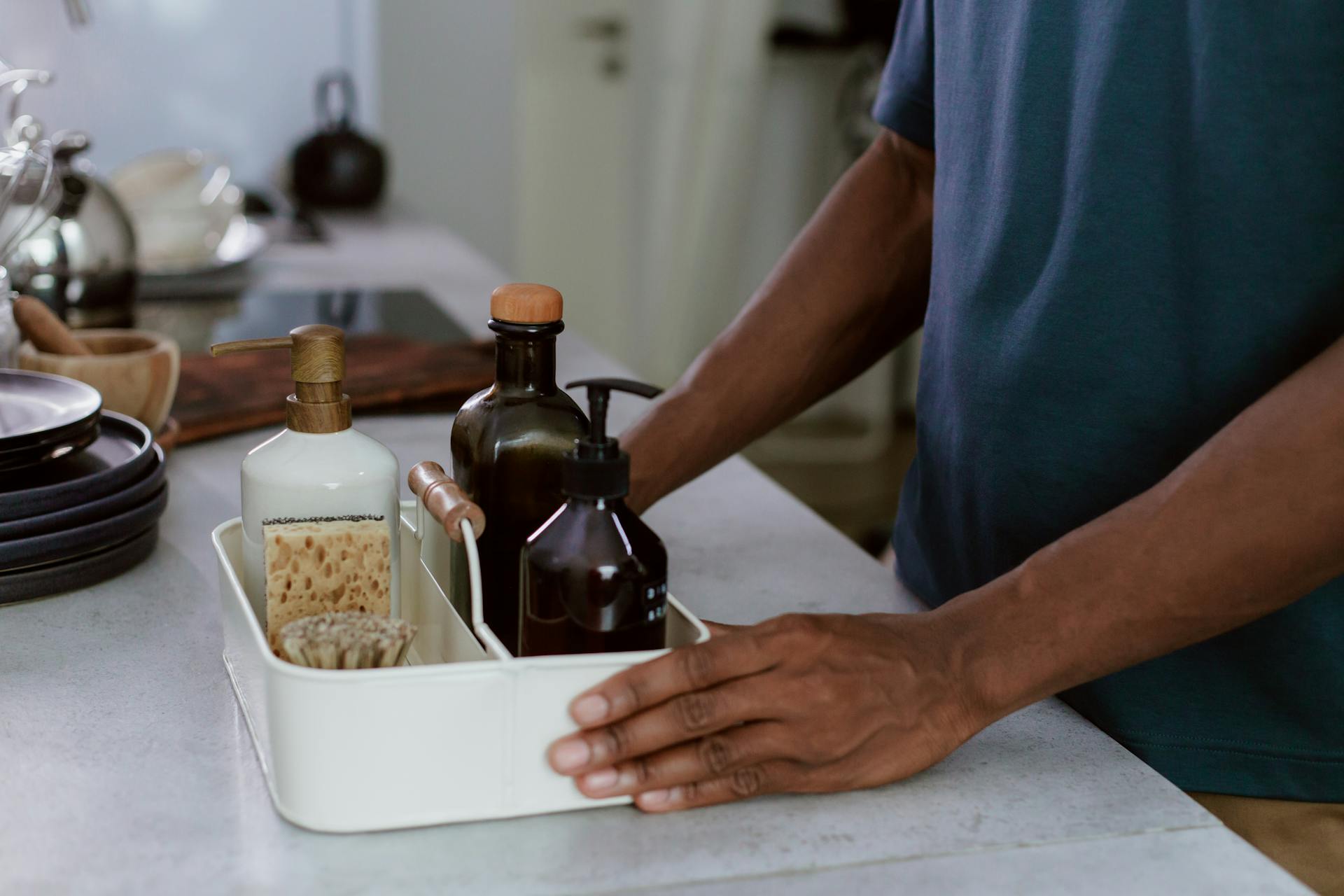
• Use small baskets or drawers to hold extra refills in one spot so they’re easy to grab
Refill options like unscented multi surface cleaner tablets that are formulated to make 16 fluid ounces of cleaner in a reusable bottle let you mix with water at home instead of bringing more plastic packaging inside.
Winter routines don’t need to be complicated. But they do need to be steady. The more you repeat them, the easier they become. By the time the weather warms up, your new system will be second nature.
Your Home Can Lead the Way
We don’t have to clean perfectly to make a difference. We just have to clean with a little more care. Winter is a smart time to look at what we use day to day and ask if that thing needs to end up in the trash. Often, it doesn’t.
Reducing plastics in your cleaning routine helps your home feel lighter, neater, and a little more thoughtful. That’s a great way to start the year, by making room for fresh habits that leave less waste behind.
At Plastno, we understand that shifting your routine takes time and that starting with products built to support your goals makes all the difference. Whether you're rethinking your supplies or setting up new habits for winter, having the right tools for reducing plastics in everyday cleaning can keep your momentum going. One small step like choosing compostable cloths or refillable bottles can lead to a bigger impact down the line, and we're here to support you every step of the way. Explore our collection today and let us know how we can help.

Share:
What’s the Easiest Way to Start a Plastic-Free Cleaning Routine?
Steps to Build a Weekly Routine With Eco-Friendly Cleaning Refills