

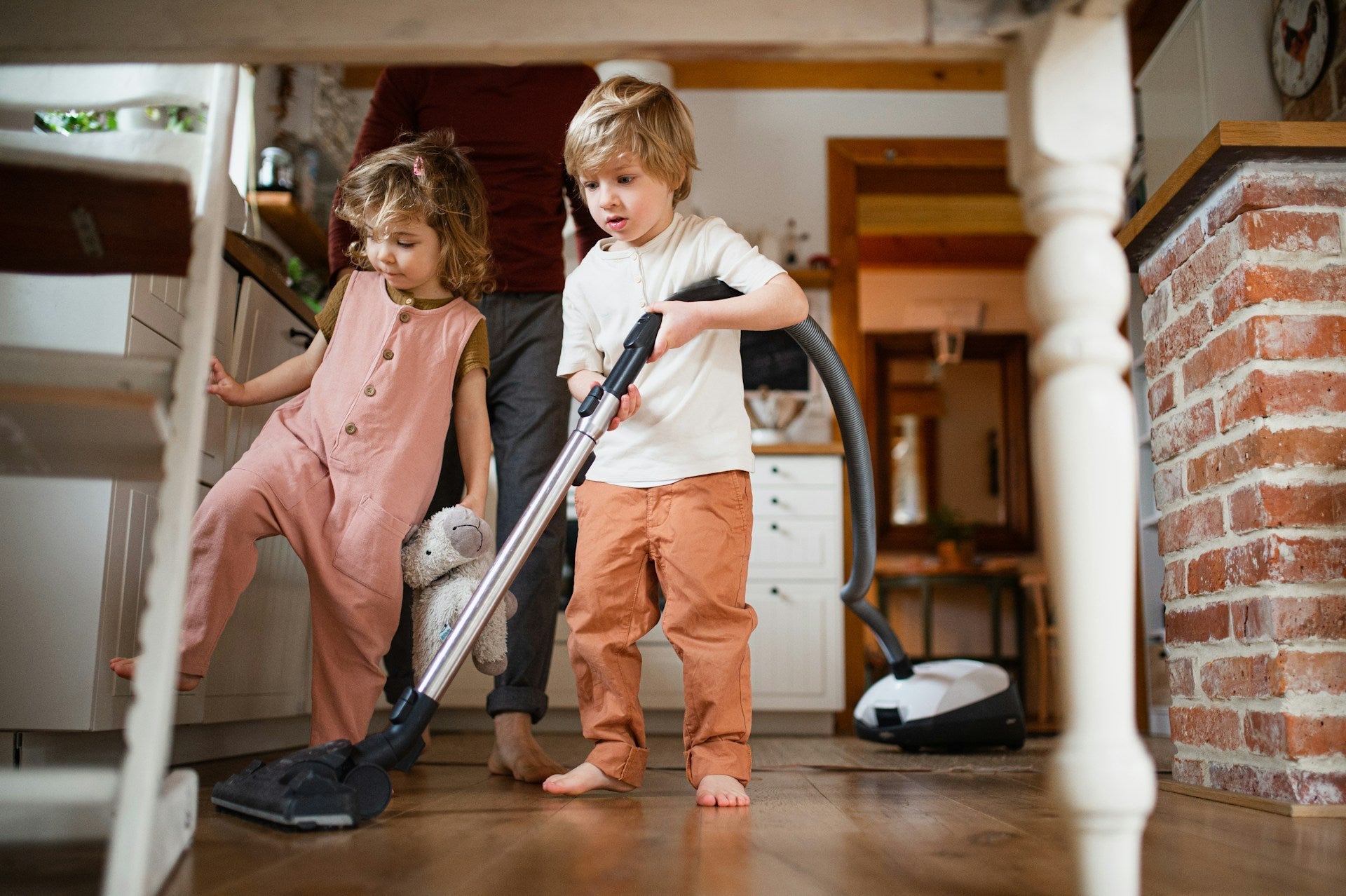
Cleaning habits formed young tend to stick, and teaching kids to clean the low-waste way builds two good habits at once. The trick is matching the job to the age, using cleaners that are simple and safe, and making it a normal part of the day rather than a battle. Here is how.
Match the chore to the age
- Toddlers: putting toys in a bin, wiping a low surface with a damp cloth, carrying laundry to the basket.
- Young kids: dusting, watering plants, setting and clearing the table, sorting recycling.
- Older kids: wiping counters, sweeping, taking out compost and trash, helping with dishes.
Give them a real job rather than busywork. Kids take it more seriously when the task actually helps.
Use cleaners that are simple and safe
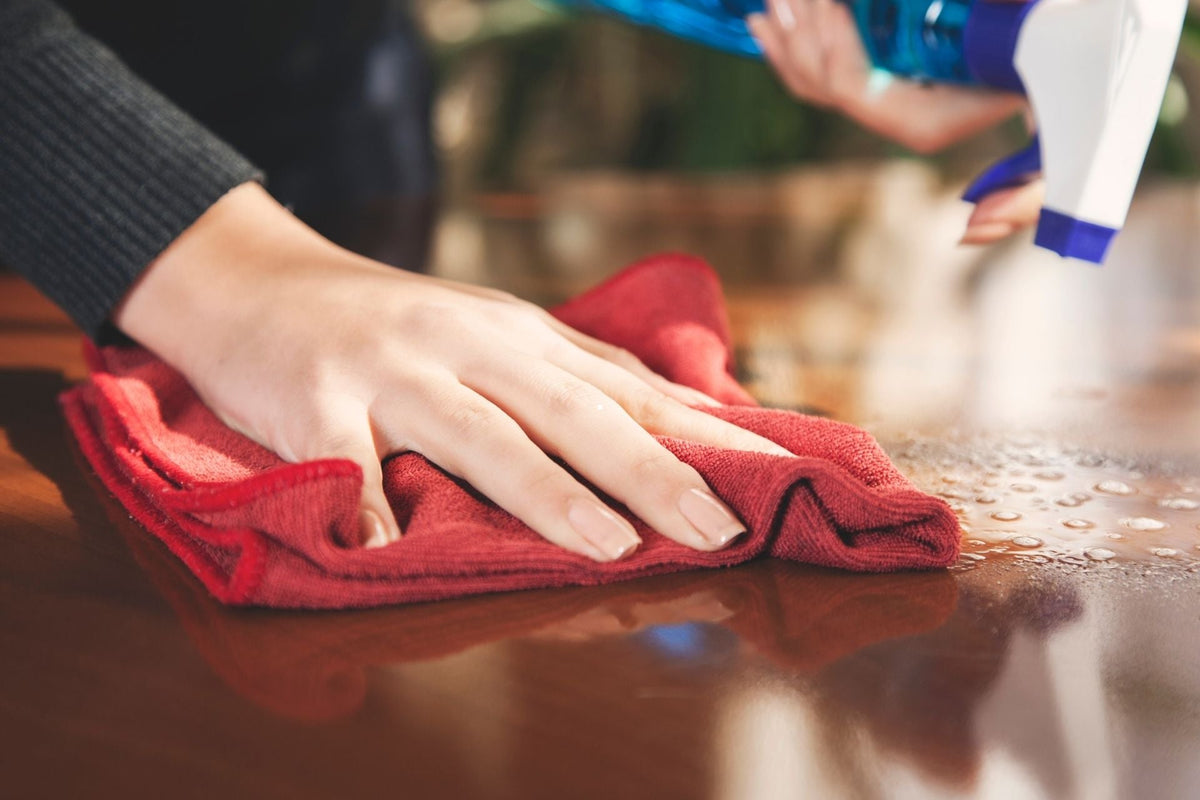
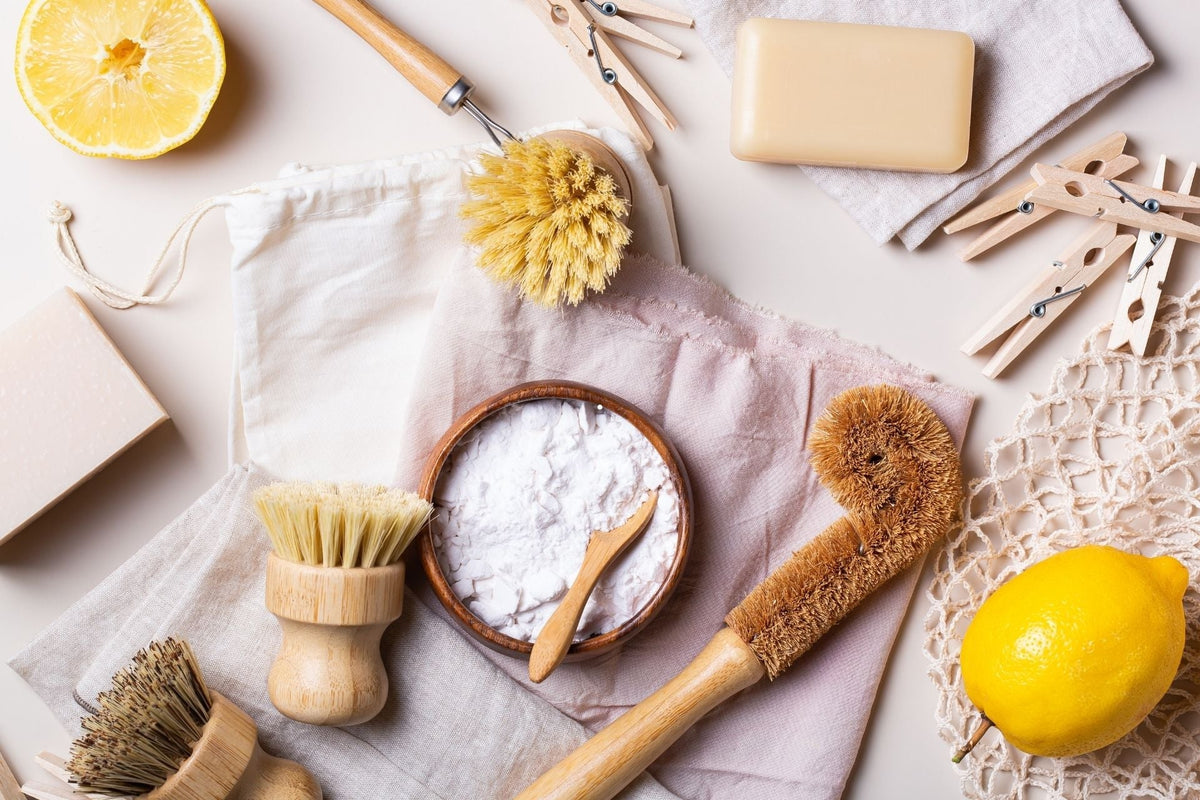
Homemade cleaners from vinegar, baking soda, and water are easy for kids to use and free of harsh fumes. A spray bottle of diluted vinegar and a reusable cloth is enough for most of what a child will help with. Keep stronger products out of reach, and let kids handle the gentle stuff.
Make it a routine, not a one-off
Habits form through repetition. Build a couple of small chores into the daily rhythm, like a five-minute tidy before dinner, so it becomes automatic. A simple chart or a shared cleaning schedule helps kids see their part and check it off.
Teach the why, and lead by example
Kids copy what they see. When they watch you reach for a reusable cloth instead of paper towels, or drop scraps in the compost, it sticks. Explain the reason in simple terms: less trash, a cleaner home, taking care of the planet. The lesson lands better than the chore alone.
Share:
Complete Guide to Using Compostable Trash Bags at Home
The Sustainable Spring Cleaning Checklist, Room by Room