

Product highlights

Material

Sustainability

Lifecycle

Purpose

Room
Sponge Cloth
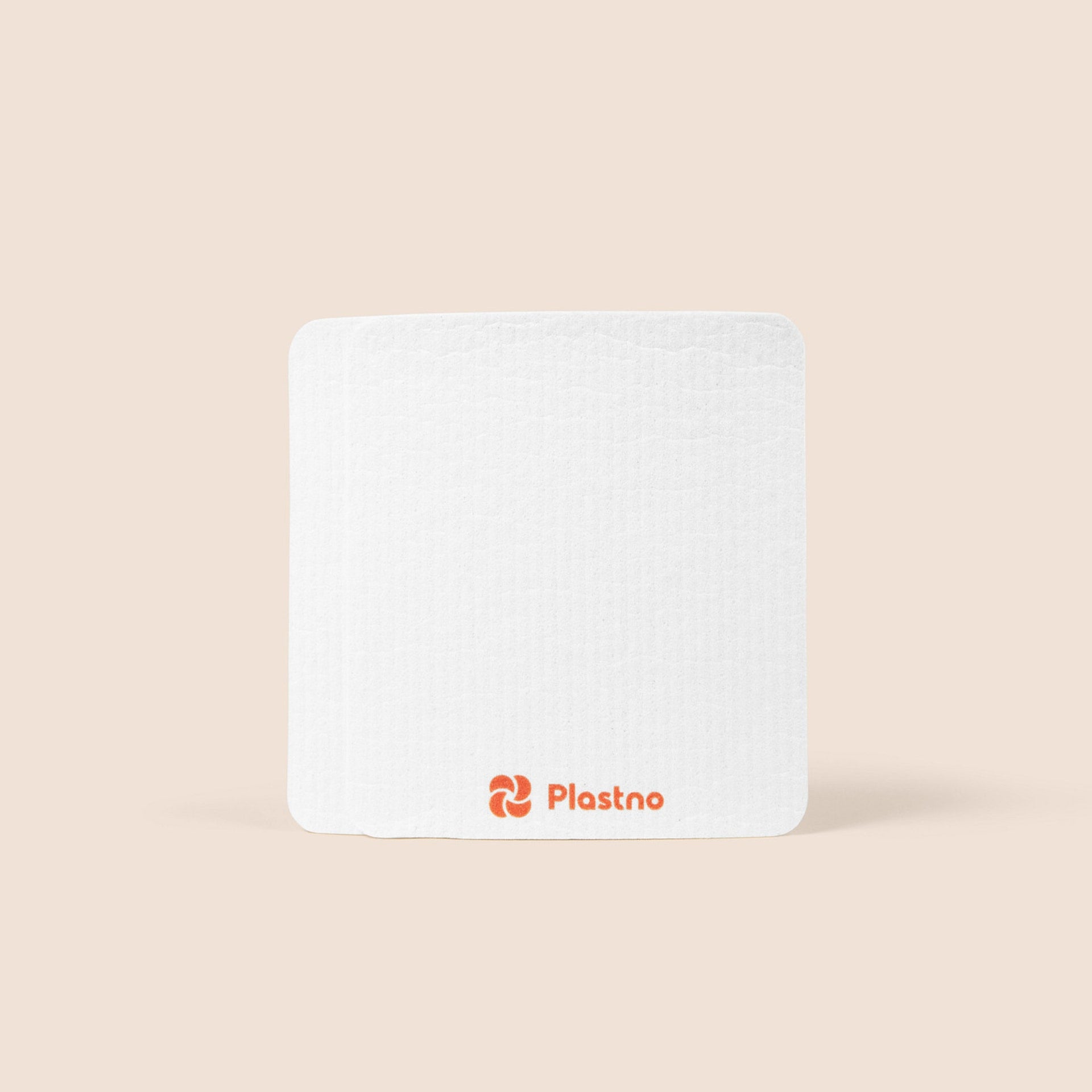
Reusable dish cloth in cellulose and organic cotton, with the absorbency of a sponge and the wipe of a Swedish dishcloth.
Product highlights
Material
Sustainability
Lifecycle
Purpose
Room

White

3 Cloths
Overview
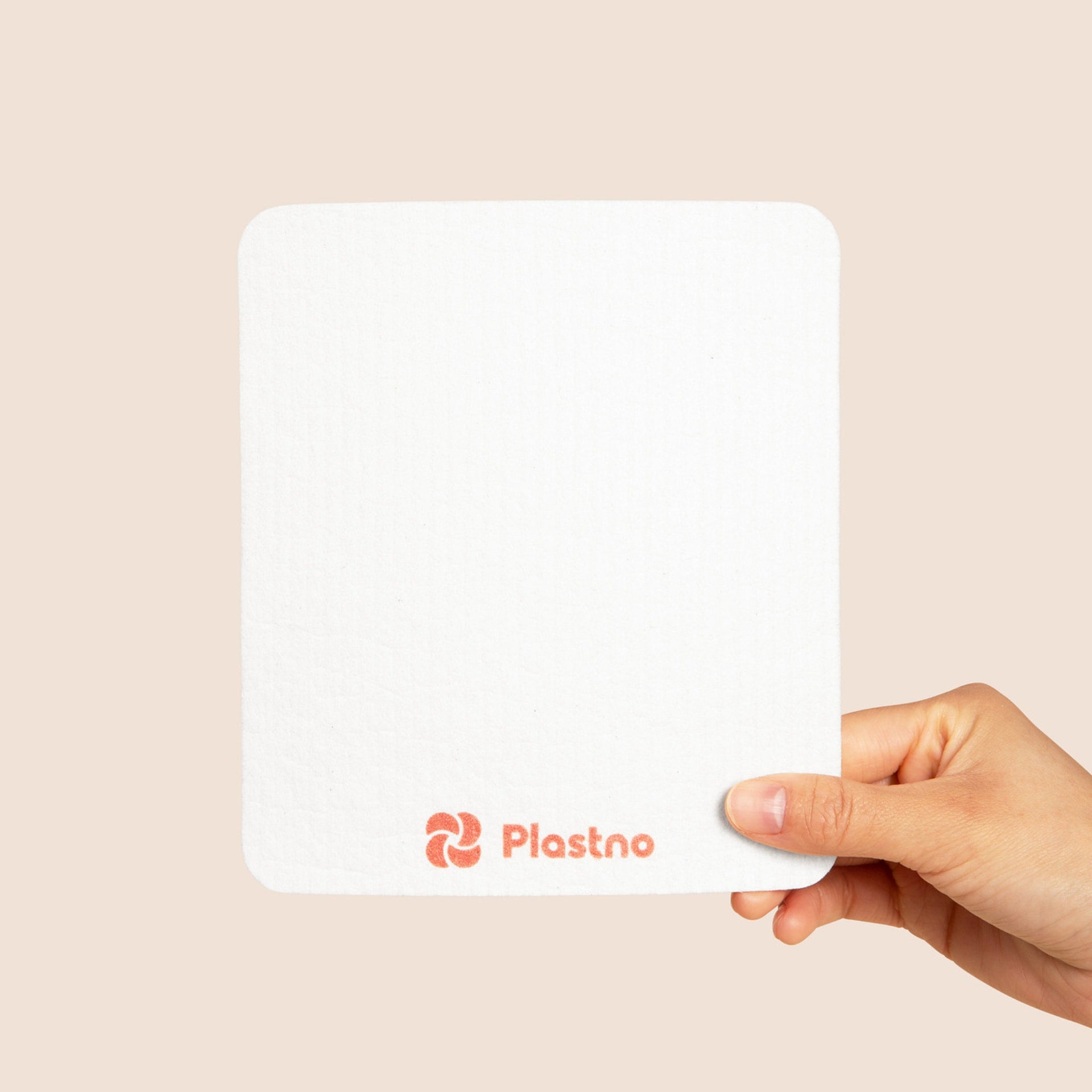
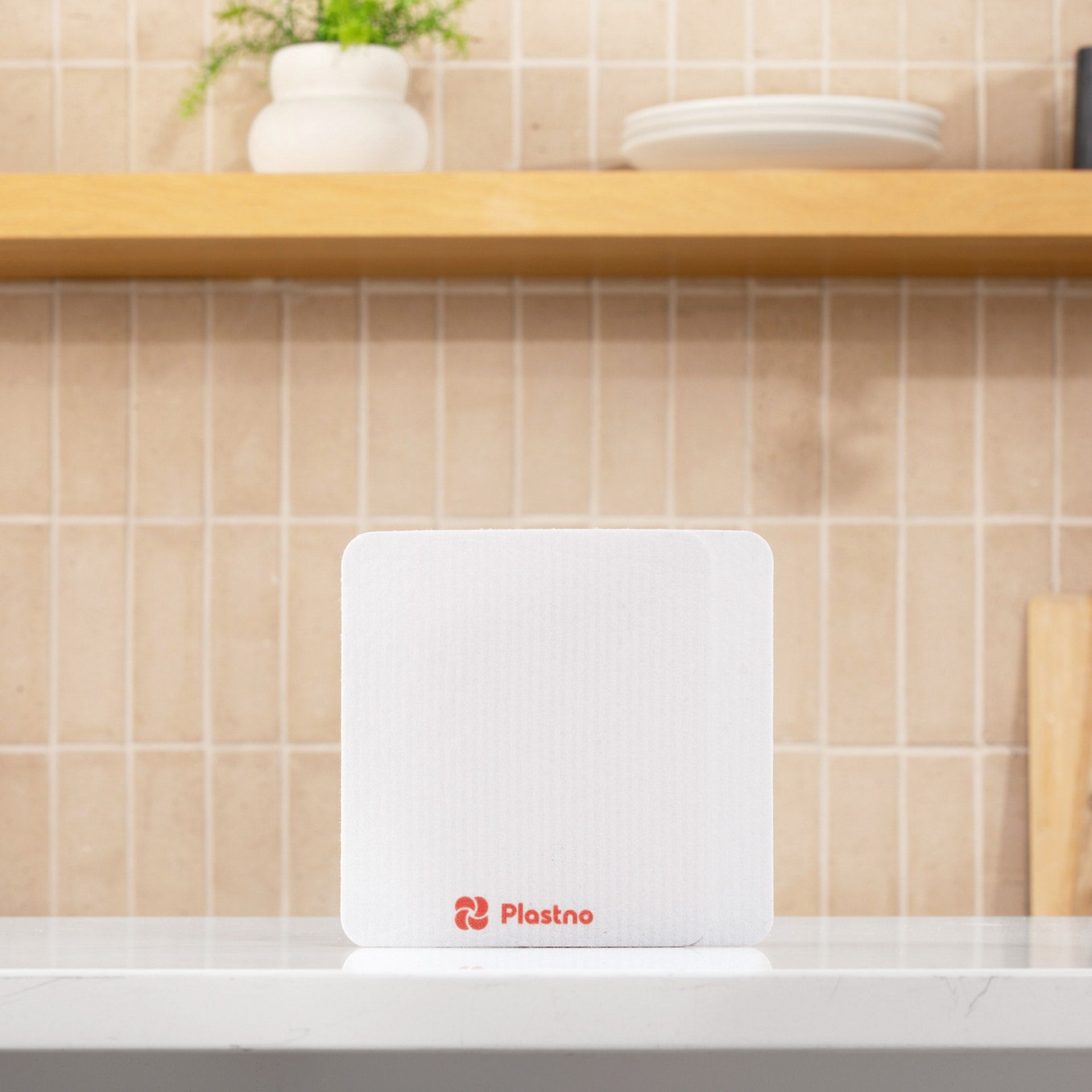
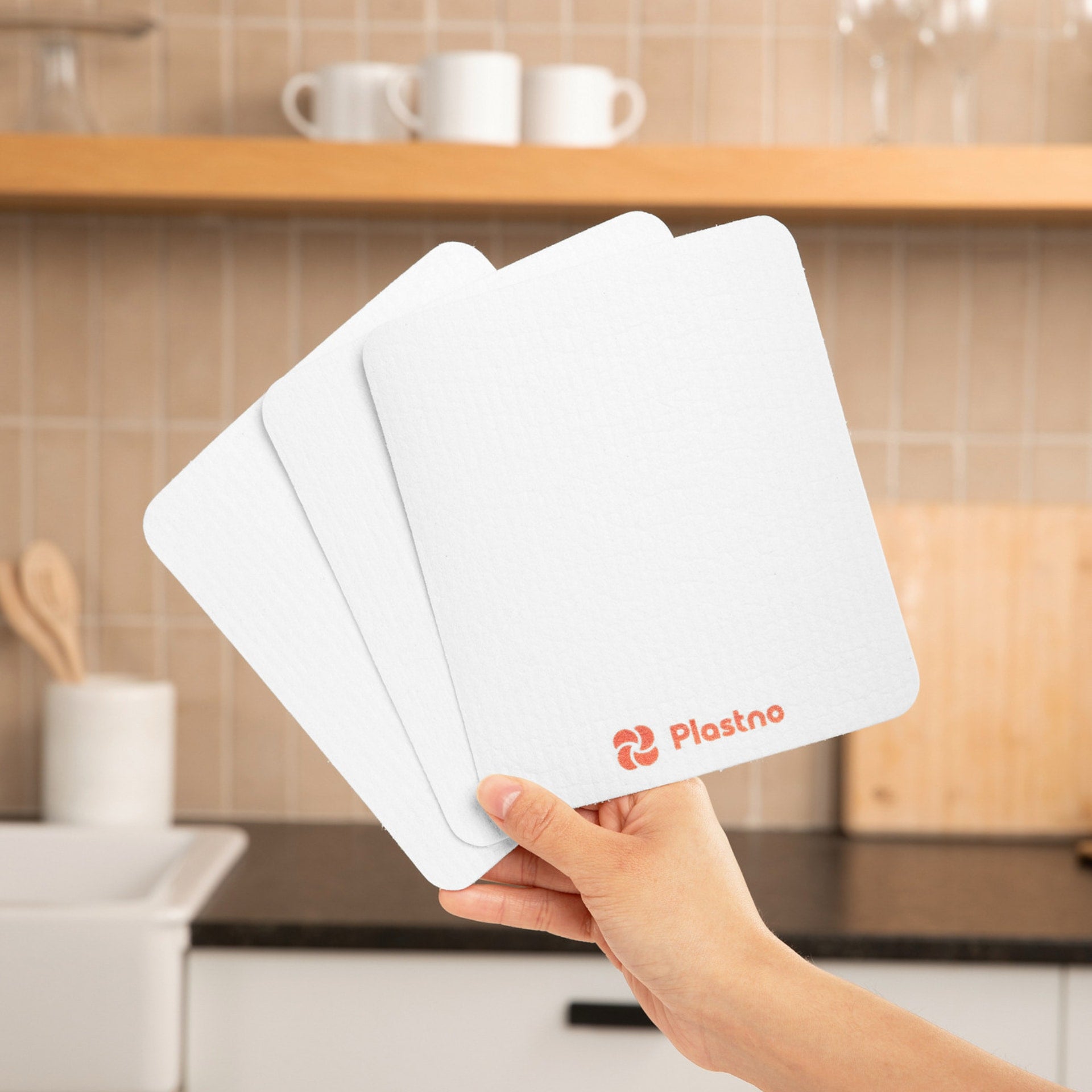
One cloth that does the job of a sponge and a roll of paper towels. This plastic-free Swedish dishcloth soaks up spills, wipes counters, and dries dishes, then goes in the wash and comes back ready for more. Reusable again and again, so a stack of three outlasts a cabinet of paper towels.
- Soaks up spills: Holds up to 10 times its weight in water. Sized 6.5 by 7.5 inches, in a 3-pack.
- Plant-based and plastic-free: Made from cellulose and organic cotton, biodegradable, with no plastic backing.
- Wash and reuse: Rinse, machine wash, or boil to refresh. Each cloth lasts up to 1,500 uses.
Ingredients
Made with plant-based cellulose and organic cotton.
Use
1. Wet. Soften the cloth with water before use for maximum absorbency.
2. Wipe. Use it to wipe countertops, dishes, spills, and any hard surface.
3. Rinse + reuse. Rinse, wring out, and air-dry between uses. Toss in the washing machine or top rack of the dishwasher for a deep clean.
Details
| Specification | Sponge Cloth |
|---|---|
| Dimensions | 6.5" W x 7.5" H |
| Cloths per pack | 3 |
| Color | White |
| Materials | Plant-based cellulose and organic cotton |
| Absorbency | Up to 10x its weight in water |
| Paper towel equivalent | Replaces up to 1,500 paper towel sheets |
| Stated lifespan | Up to 1,500 uses |
| Machine washable | Yes |
| Dishwasher safe | Yes, top rack |
| Sanitizing | Machine wash, top rack of the dishwasher, or boil |
| Shelf life | None. Stable indefinitely when stored dry |
| Biodegradable | Yes. Both materials are plant-derived |
| Compostable | Breaks down in backyard or municipal compost where accepted. Not third-party certified |
| Plastic backing | None. Many synthetic dishcloths add one |
| Contains no | Polyurethane, polyester, nylon, polypropylene, PET, plastic backing, synthetic foam, added fragrance, synthetic dye, antimicrobial coating |
| Packaging | Kraft plastic-free paper wrapper, kraft cardboard box or mailer |
Bundle & save

100% Satisfaction Guarantee

Free Shipping Over $50
Sponge Cloth
If you have any questions, you are always welcome to contact us. We'll get back to you as soon as possible, within 24 hours on weekdays.
-
Shipping Information
Fulfilled within 1-2 business days and packaged in our minimal, fully recyclable signature boxes.
-
Customer Care
Give us a few details and we’ll offer the best solution. We are available Monday to Friday (8am-6pm EST)
-
FAQ’s
Visit our FAQs page to find answers to common questions.
-
Contact Us
We'd love to hear from you. Our team is here to help. Visit our contact page to send us a message.
The plastic-free Swedish dishcloth that outlasts a roll of paper towels
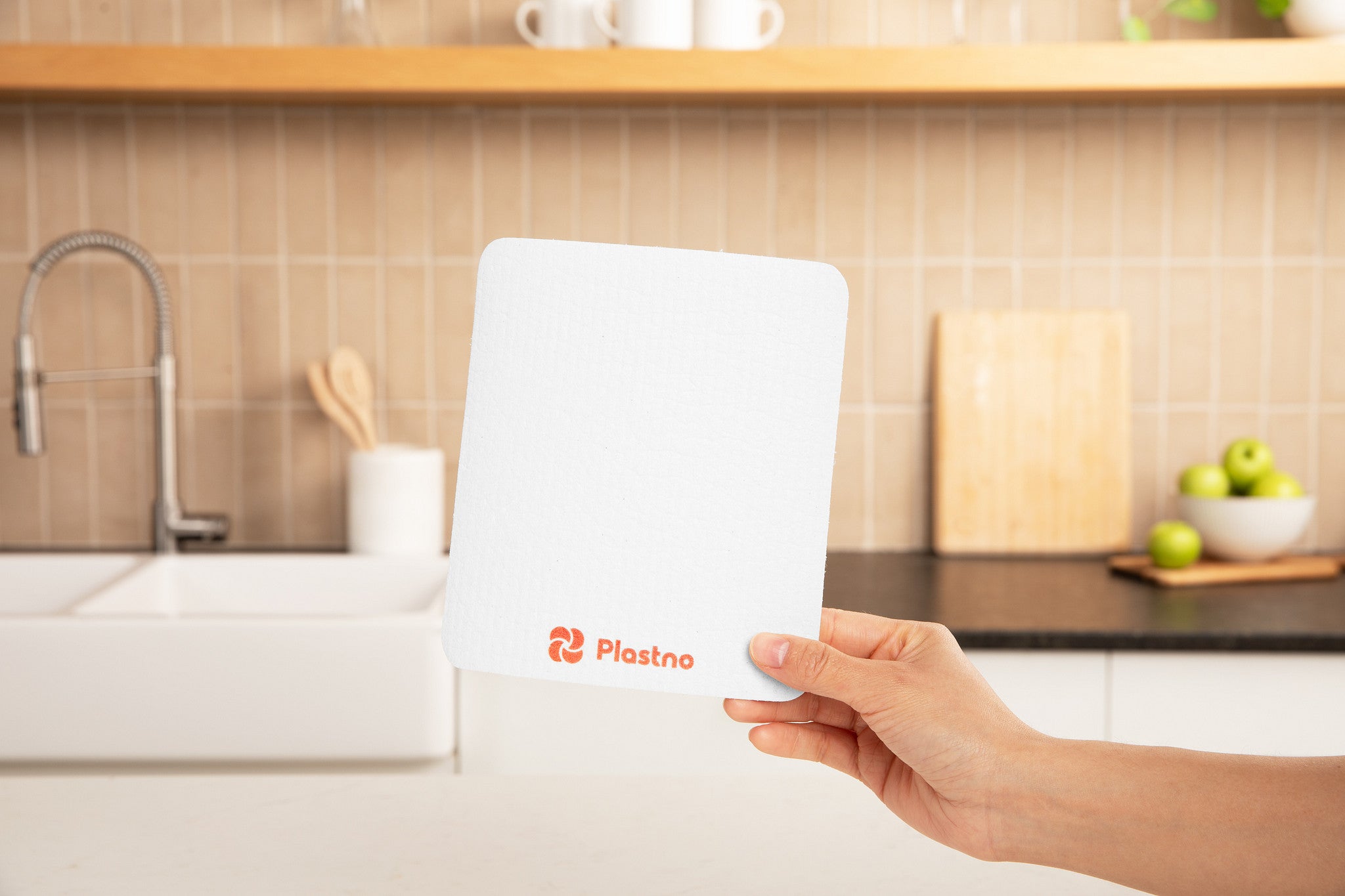
One cloth that does the work of a sponge and a roll of paper towels. This Swedish-style dishcloth is stiff when dry and soft the second it hits water, so it soaks up spills, wipes counters, and dries dishes, then goes in the wash and comes back ready for more. It is plant fiber and organic cotton, no plastic, and it biodegrades when it finally wears out.
How it works
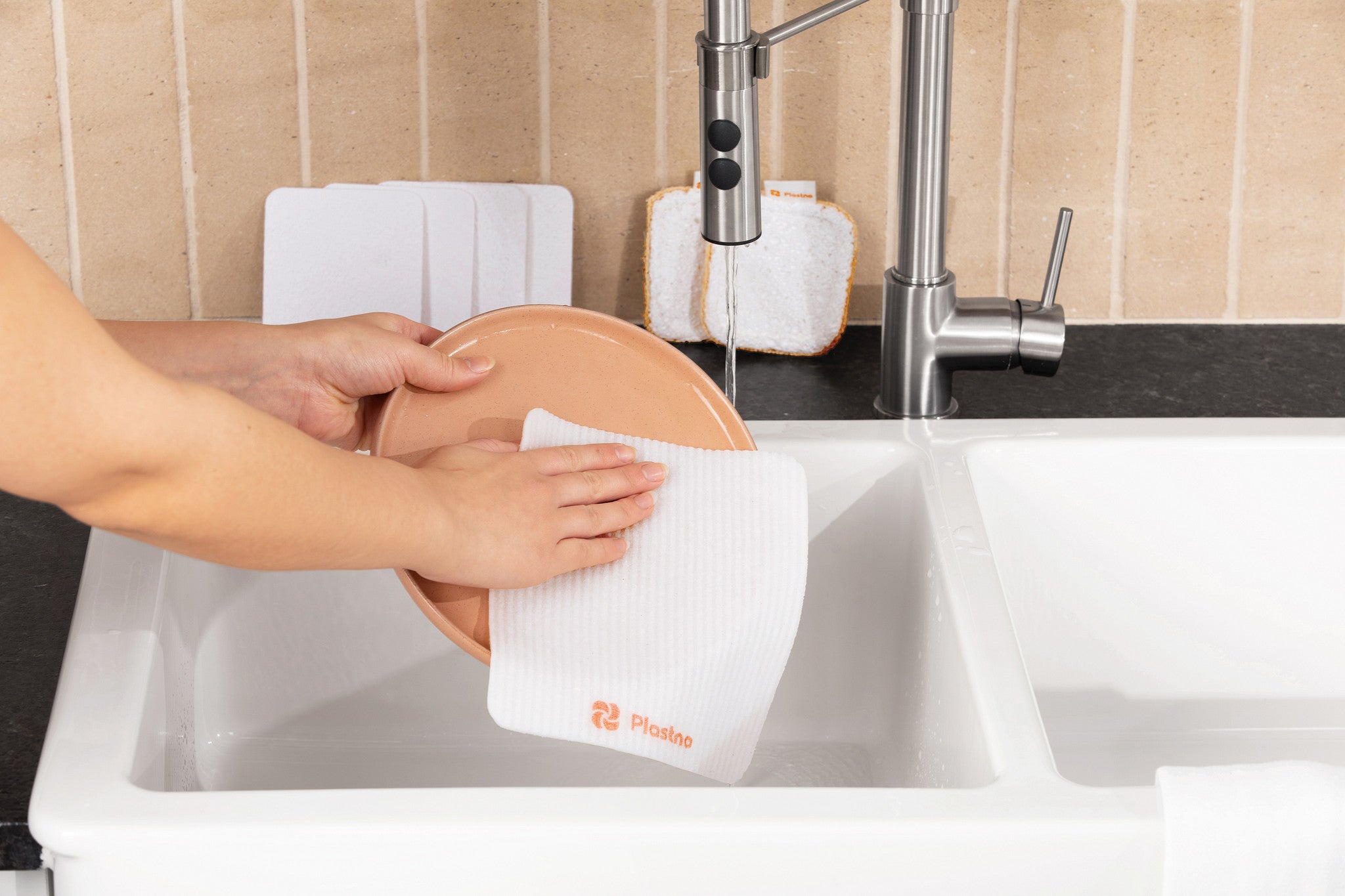
1. Wet. Wet the cloth to soften the fibers and bring up full absorbency.
2. Wipe. Wipe countertops, dishes, spills, and any hard kitchen or bathroom surface.
3. Rinse. Rinse, wring out, and air-dry between uses.
Plant-based ingredients
Cellulose
Plant-derived fibers from wood pulp, the same material used in Swedish-style dishcloths since the 1940s. Renewable, biodegradable, and absorbent enough to hold up to 10x its weight in water.
Organic Cotton
Cotton grown without synthetic pesticides, blended with the cellulose for strength and structure. Neither layer has a plastic backing or a synthetic scouring mesh, which many synthetic dishcloths add.
Why switch to a Swedish dishcloth
A roll of paper towels lasts a week or two in most kitchens, then goes in the trash. One eco-friendly Swedish dishcloth handles the same spills, drips, and counter messes for up to 1,500 uses, and it goes back in the drawer clean instead of in the trash. That means fewer rolls in the cart and no synthetic fibers shedding into your sink.
What you won't find in Plastno
Human safe
Every Plastno product is made with plant and mineral based ingredients, free from the petroleum-based plastics, synthetic foams, added fragrances, and harsh chemicals found in conventional cleaning supplies. Safer for your home, safer for the people in it.
✗ Microplastic shedding
✗ Synthetic foams
✗ Petroleum-based plastics
✗ Added fragrances
✗ Harsh chemicals
✗ Synthetic dyes
✗ Antimicrobial coatings
Less plastic
From the product to the packaging, every Plastno purchase keeps single-use plastic out of your home and out of waterways. Packaging is intentionally minimal, just a clean paper wrapper and a curbside-recyclable cardboard box. No clamshells, no shrink wrap, no fancy inserts that add waste in the name of looking premium.
✓ Intentionally minimal packaging
✓ Plastic-free, recyclable paper wrapper
✓ Curbside-recyclable shipping box
✓ Paper-based tape
✓ Water-based inks
✓ No clamshells, shrink wrap, or extra inserts
Sponge Cloth vs Sponge Towel
One wipes, one soaks up more. Here's which does what.
Plastno
Sponge Cloth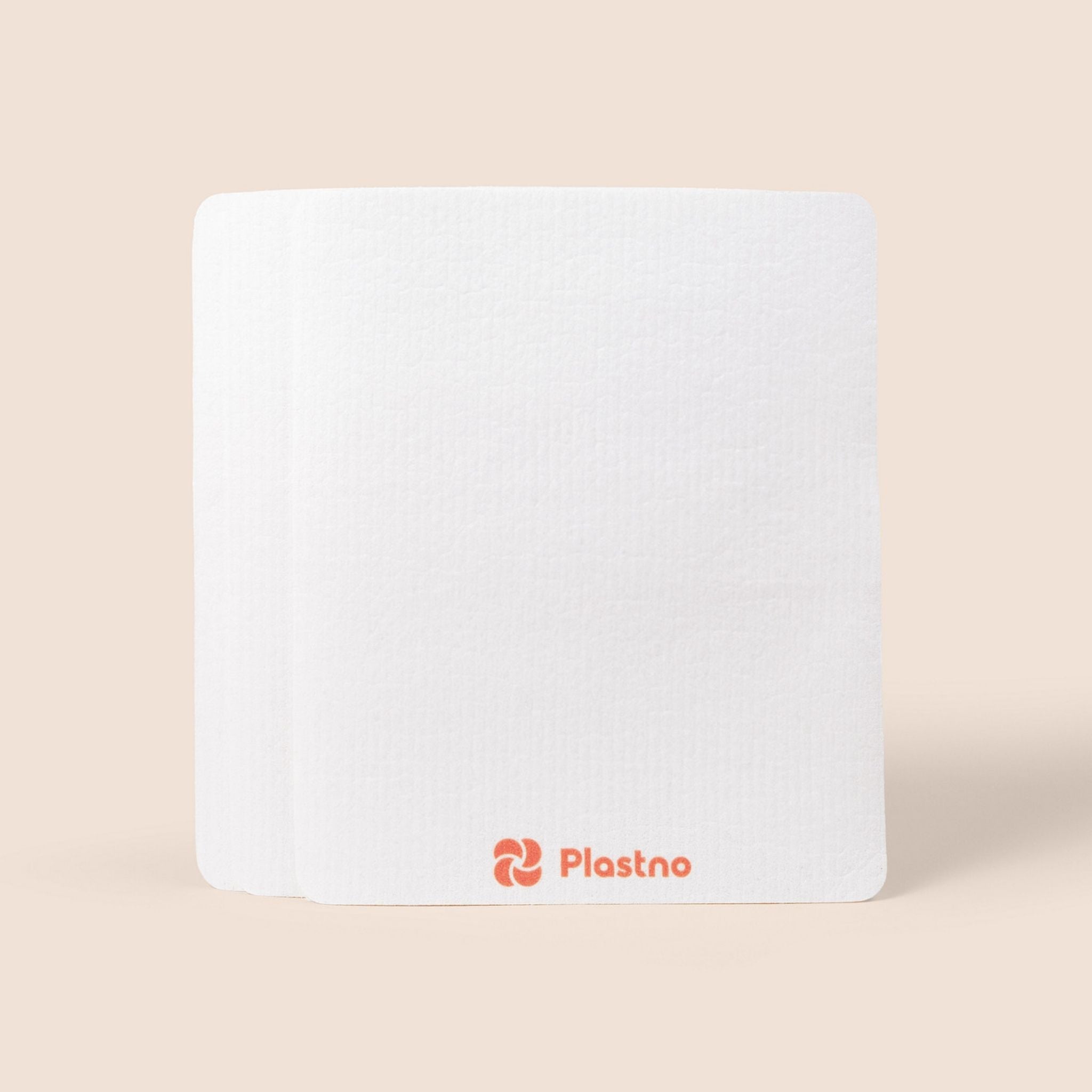
Plastno
Sponge Towel
Plastno
Sponge Cloth
Plastno
Sponge TowelBest for
Counters, spills, drying dishes
Best for
Bigger spills, dish-drying, hand-drying
Size
6.5 x 7.5 in
Size
9.5 x 11.5 in
Style
Swedish-style dish cloth
Style
Reusable paper towel
Material
Cellulose and organic cotton
Material
Cellulose and organic cotton
Lasts up to 1,500 uses
Lasts up to 1,500 uses
Machine washable and boilable
Machine washable and boilable
Before you ditch paper towels
What makes Plastno Sponge Cloths better than paper towels?
Each eco-friendly dish cloth absorbs up to 10x its weight in water and lasts up to 1,500 uses, which is roughly 1,500 paper towel sheets you never buy. It's made from plant-based cellulose and organic cotton, so it sheds no synthetic fibers, and it biodegrades once it finally wears out.
How do I use a Plastno Sponge Cloth?
Wet it first. A dry Swedish dishcloth is stiff, and water is what softens the cellulose and brings up its full absorbency. From there, wipe countertops, dishes, spills, or any hard surface in the kitchen or bathroom, then rinse it, wring it out, and stand it up to air-dry.
How do I clean and care for a Plastno Sponge Cloth?
Three ways. Run it through the washing machine with regular laundry, set it on the top rack of the dishwasher, or boil it for one to two minutes. Skip bleach and high dryer heat, which shorten the life of the cellulose fibers. Each cloth lasts up to 1,500 uses.
Is the Plastno Sponge Cloth biodegradable?
Yes. The cloth is plant-based cellulose and organic cotton printed with water-based inks, with no plastic backing and no synthetic scouring layer, so it biodegrades at the end of its life. It breaks down in backyard or municipal compost where accepted. Not third-party certified.
Can the Sponge Cloth replace both paper towels and synthetic kitchen sponges?
Yes. The dish cloth format handles the wiping jobs you'd normally hand to a paper towel and the surface cleaning you'd hand to a sponge, which is why one cloth can cover both jobs. For baked-on cookware you still want the scrub side of a loofah dish sponge.