

Winter cooking usually means stocking up on cozy foods, baking ingredients, and pantry staples. But more food at home can turn into more packaging, crowded shelves, and a whole lot of plastic. That’s why it’s the perfect time to rethink how our pantry works, and how it can work better without single-use plastic getting in the way. A plastic-free pantry is cleaner and sets up a smoother, lower-waste flow for everyday cooking.

This guide walks through small, clear steps you can take to reduce clutter and prep your space for winter meals. From reusing jars to rotating bulk items, we’ll look at simple ways to apply sustainable home products and routines that make sense for real kitchens.

Clear Out the Clutter First

Before anything else, take a close look at your pantry as it stands. Start clearing space by tossing what’s expired, nearly empty, or has been sitting untouched for more than a year. That half-full bag of stale crackers and the dented can you meant to use up need to go first.

Next, sort what remains into categories like grains, snacks, baking, canned goods, and spices. This lets you see what you have too much of and helps avoid buying items you already own. It is also a good time to combine items that are half full or open. Two bags of brown sugar can live in one jar.

This step might take a little time, but it's worth doing once before winter kicks in. A clean, uncluttered base makes everything that comes next easier.

Choose Low-Waste Storage Solutions

Once you’ve cleared the extra weight, it’s time to choose containers that support your plastic-free goal. Mason jars, pasta sauce jars, or even coffee tins with tight lids all make great replacements for store packaging. These see-through containers reduce plastic and help you spot ingredients in seconds.

Cloth produce bags or cotton drawstring pouches work well for things like dried beans, root veggies, or bread on the counter. Look around your kitchen first. Odds are you already have reusable containers hiding in plain sight.

Don’t forget labels. Whether it’s tape and a marker or a chalk label, having a name and date helps avoid confusion later. No more wondering what’s inside that dusty jar at the back of the cabinet.

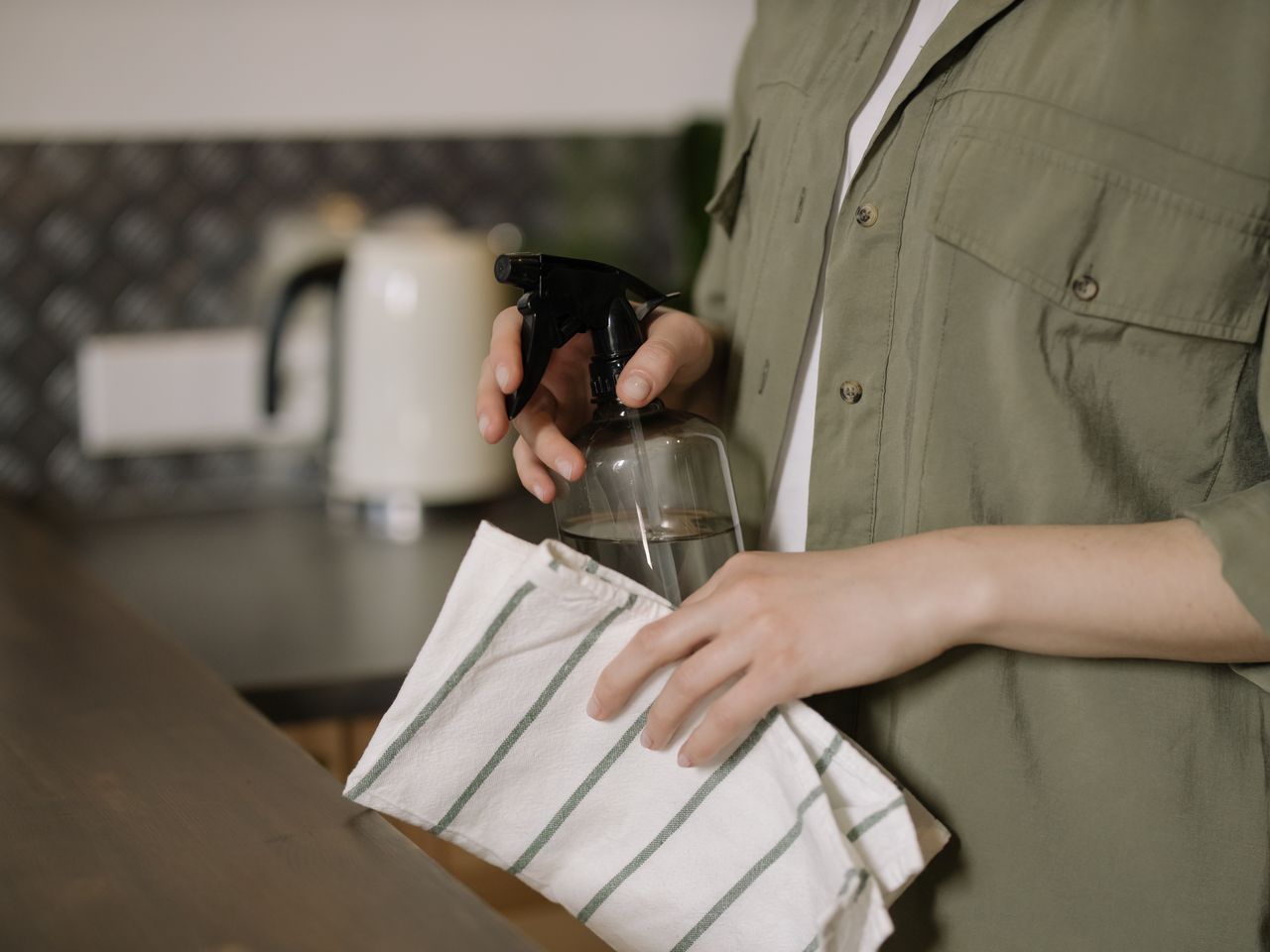
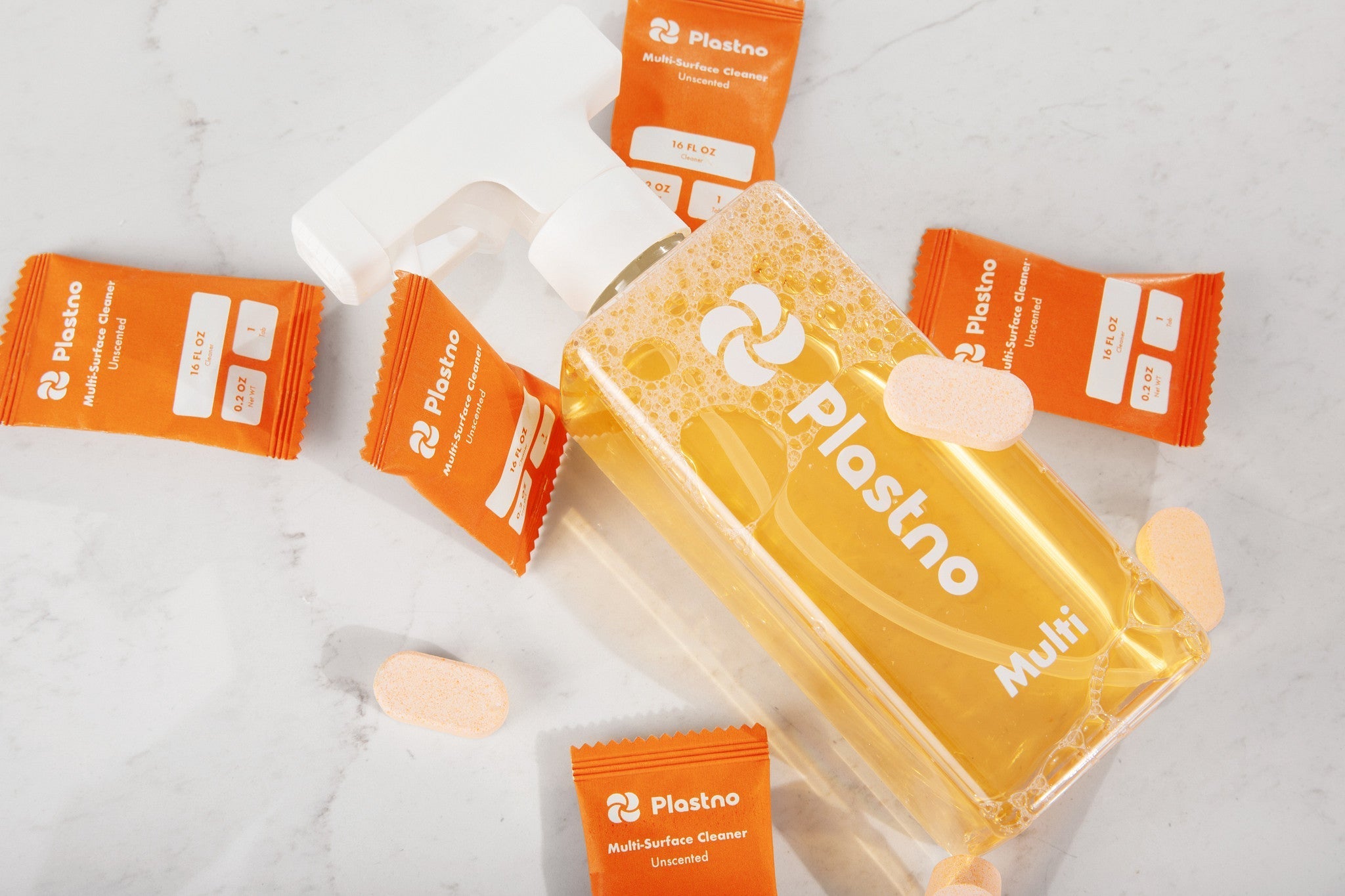
Our compostable storage bags and refillable cleaning spray bottles are made for repeated use and an easy switch from plastic. The natural fiber sponges on our site are a small but useful upgrade for keeping pantry shelves dust-free.

Set Up a System for Refill and Rotation

Now that you’ve got better storage, think about how items move in and out of the pantry. A refill-and-rotate habit is worth building, especially during the winter months when we cook more at home.

• Keep most-used items within easy reach. Grains, baking flours, pasta, and canned tomatoes should be front and center. Place newer stock behind older items, so nothing goes bad or gets lost.

• It helps to keep a small bin or low tray in the pantry for refills or items that need to go into jars. This quick check before shopping keeps plastic packaging out of your cart and saves time at the store.

• Always check the pantry before buying more. A simple glance saves money and avoids plastic-heavy impulse buys that are not needed.

Make Room for Cold-Weather Staples

Our meals tend to look different in winter, and so does a well-stocked pantry. Create space just for cold-weather staples like soup mixes, steel-cut oats, lentils, and baking supplies. These items may take up more space, so try to designate one shelf or section just for them.

When choosing what to pack in, think beyond the convenience of grab-and-go. Boxed broths, for example, are often easier to recycle than plastic ones. Buying dry soup ingredients in bulk with cloth bags from a co-op avoids the need for excessive packaging.

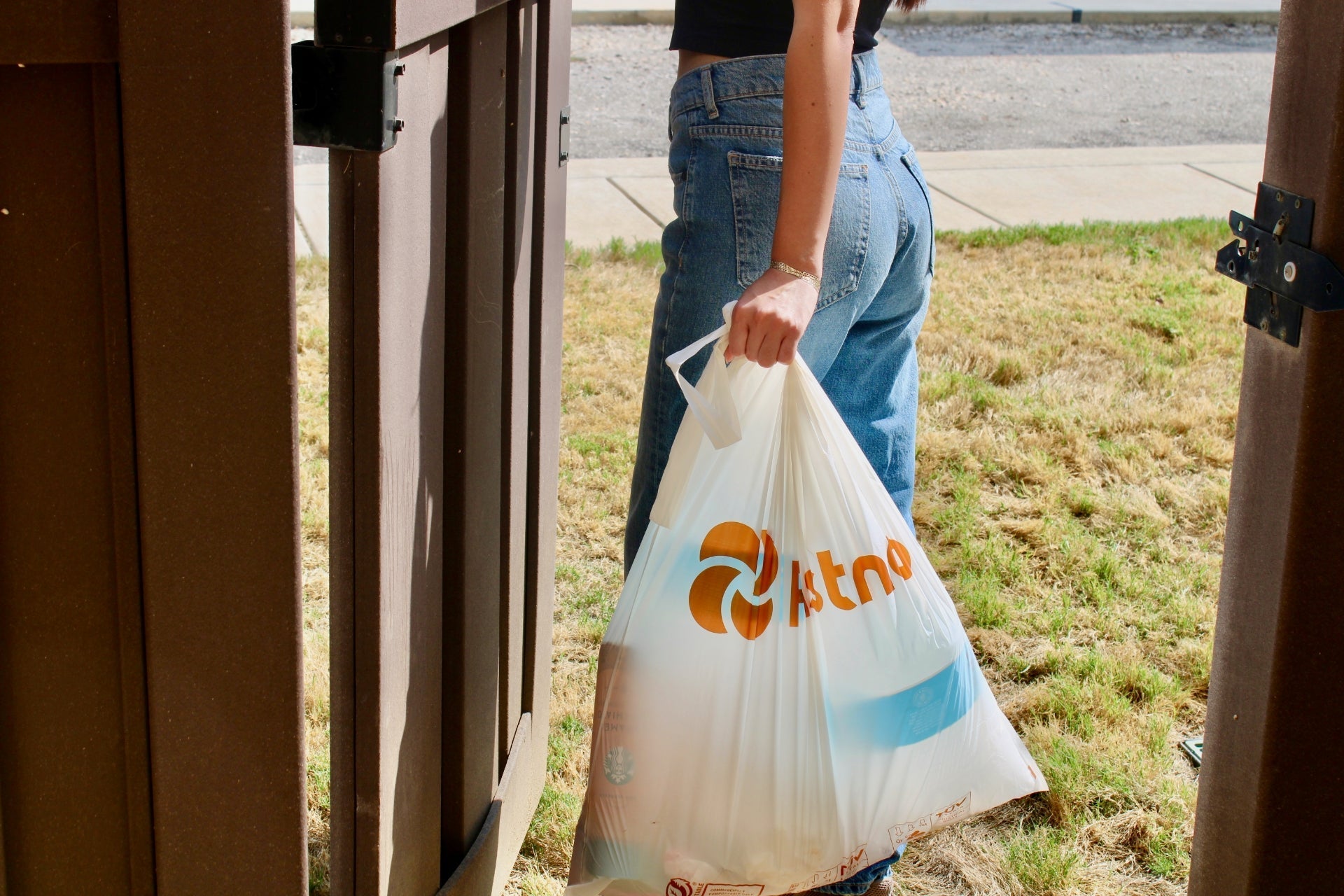
This is where sustainable home products can be especially helpful. Compostable liners in kitchen drawers or washable cloths for cleaning up flour and crumbs keep your area tidy without adding trash. These simple swaps support a low-waste kitchen and do not disrupt your routine during the dinner rush.

Keep Shopping Lists and Storage Aligned

A pantry only works well if your shopping habits match how things are stored. Keep a running list, either on paper or a phone note, for ingredients you run out of. This keeps you from doubling up on items and keeps your plastic use lower over time.

Think about how much space you have before buying big quantities. Buying in bulk works well only if you have airtight bins ready and waiting. Otherwise, oversized bags of rice or cereal just shift clutter elsewhere.

For overflow items that don’t need to be opened right away, grab a cardboard box or a clean basket to place on the bottom shelf or in a nearby cabinet. This is better than stuffing everything into plastic totes or bags where it’s easy to forget what you have already bought.

A Cleaner Pantry for a Calmer Winter

Winter meals are easier when the pantry is clean, clear, and ready to go. Taking the time to remove extra plastic, tidy up items you already have, and choose storage that works with your space can make a big difference in your daily routine.

By using what’s reusable, rotating ingredients smartly, and leaning on sustainable home products for cleanup and storage, we keep our kitchens running smoothly and thoughtfully. A pantry that’s prepped for winter means fewer messes, quicker dinners, and a setup that supports a lower-waste lifestyle the whole season.

At Plastno, we believe small changes can have a big impact when it comes to keeping your pantry cleaner and reducing waste this winter. Refillable spray bottles, reusable jars, and compostable storage pieces help you stay organized without added clutter. Our focus is on practical solutions for real homes, such as simple swaps that make kitchens tidier and routines healthier. To make thoughtful stocking up easy, we’ve gathered some of our favorite sustainable home products that make plastic-free living feel natural. Reach out any time with questions or ideas, we’re here to help.

Latest Stories

View all

pantry

Guide to Organizing a Plastic Free Pantry for Winter Meals

Winter cooking usually means stocking up on cozy foods, baking ingredients, and pantry staples. But more food at home can turn into more packaging, crowded shelves, and a whole lot of plastic. That’s why it’s the perfect time to rethink...

Read more

Biodegradable Bags

How to Efficiently Use Biodegradable Bags in Busy Kitchens

December kitchens can get messy fast. With holiday parties, visiting relatives, and nonstop cooking, food scraps start piling up quicker than usual. Between prepping meals and cleaning up after them, having a system in place makes a big difference. One...

Read more

Winter Home Decor

Tips for Going Plastic Free in Your Winter Home Decor and Storage

Winter brings its own kind of mess. From unpacking decorations to hiding gifts in cluttered closets, it often leads to more plastic creeping into our homes. Bins, bags, and wraps that seemed helpful at first stack up fast. If you're...

Read more