

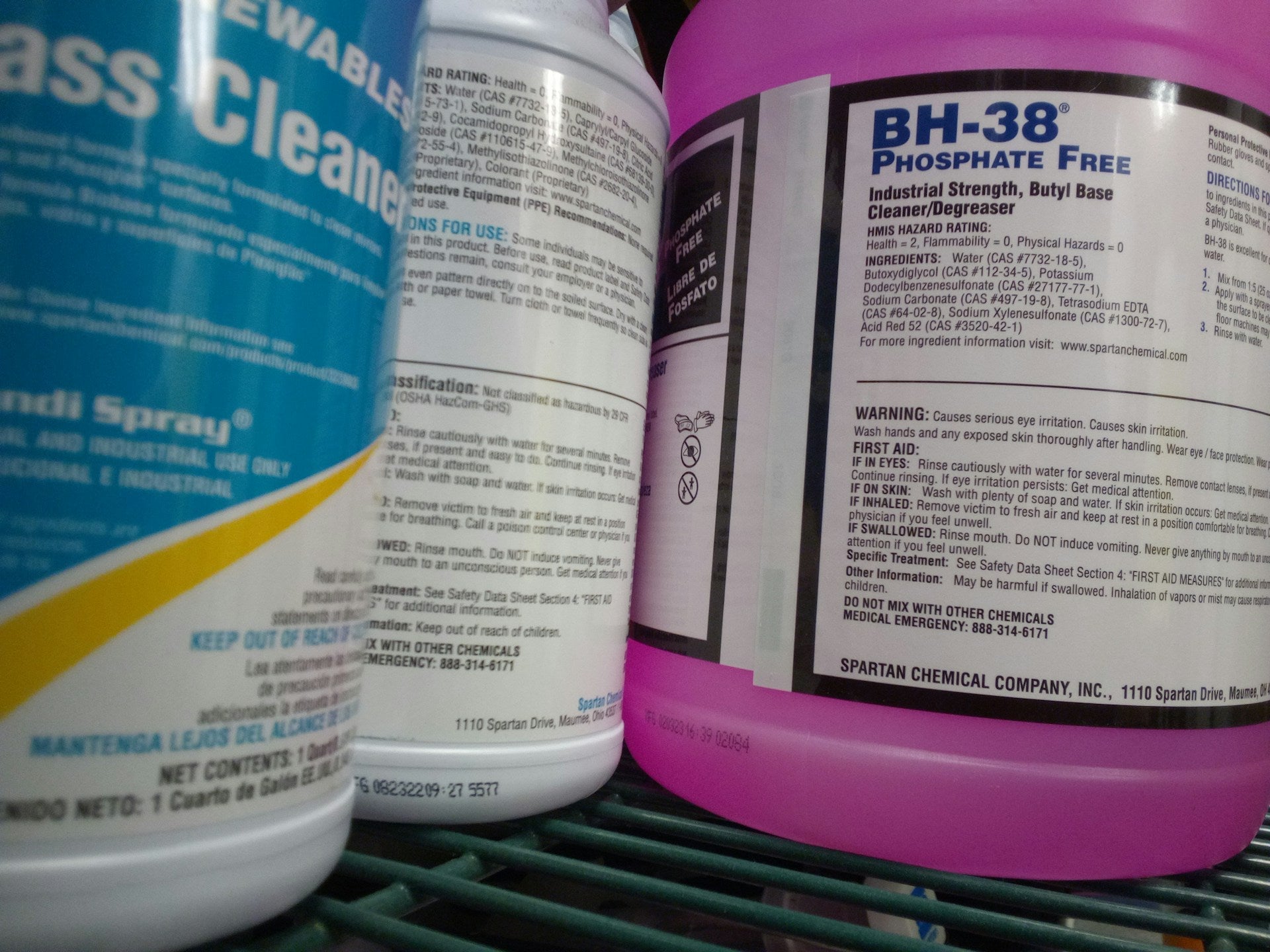
If cleaning day leaves you sneezing, headachy, or a little short of breath, the cleaner is a likely suspect, and the scent is usually the culprit. Fragrance in cleaning products is one of the most common triggers for people with allergies and asthma, and it is also the ingredient brands tell you the least about. Here is why fragrance-free is worth switching to if scented cleaners get to you.
What "Fragrance" Hides on a Label
On most cleaning labels, "fragrance" or "parfum" is a single word that can stand in for a long list of undisclosed ingredients. Companies are generally allowed to keep that blend secret as a trade formula. So when a spray says "fresh linen," you are not told what is actually creating that smell. For someone reacting to scented products, that is the problem: you cannot avoid a trigger you are not allowed to see.
Why Fragrance Bothers Allergies and Asthma
Scented cleaners release their fragrance into the air as you spray and wipe. For people with asthma, inhaling those airborne compounds can tighten the chest or set off symptoms. For people with allergies or sensitive skin, fragrance is a frequent cause of irritation and reactions. None of this means a scented cleaner is dangerous for everyone. It means that if your body reacts to fragrance, cleaning is one of the most direct ways you get exposed to it, over and over, in a closed room.
The Unscented Trap
Here is the part that catches people: switching to an "unscented" cleaner may not fix it. Unscented products can still contain masking agents, which are fragrance-like chemicals added to cover the smell of the base ingredients. The bottle reads as odorless, but the scent chemistry is still in there, and it can still trigger a reaction. If fragrance is your issue, the label to trust is fragrance-free, which means no added scent and no masking agents.
How to Build a Lower-Trigger Cleaning Routine
A few practical moves help if scents get to you:
- Choose fragrance-free over unscented, and check the ingredient list for "fragrance" or "parfum"
- Open a window or run a fan while you clean to move air out of the room
- Favor cleaners that publish a full, short ingredient list so nothing is hidden
- Cut the number of scented products overall, since they stack up across sprays, wipes, and refills
Where Plastno Comes In
Our cleaning tablets are fragrance-free and dye-free, with no added scent and no masking agents, and we publish every ingredient on our ingredients page. Each tablet dissolves in tap water into a mild multi-surface spray that smells like almost nothing, which is exactly what you want if fragrance is the thing setting you off. If you are trying to take triggers out of your routine, our refillable cleaners are built to be genuinely scent-free from the ingredient list up.
Share:
Questioning Reusable Spray Bottles When You Already Own Plastics
Sulfate-Free Cleaning: What Sulfates Are and Why We Leave Them Out