

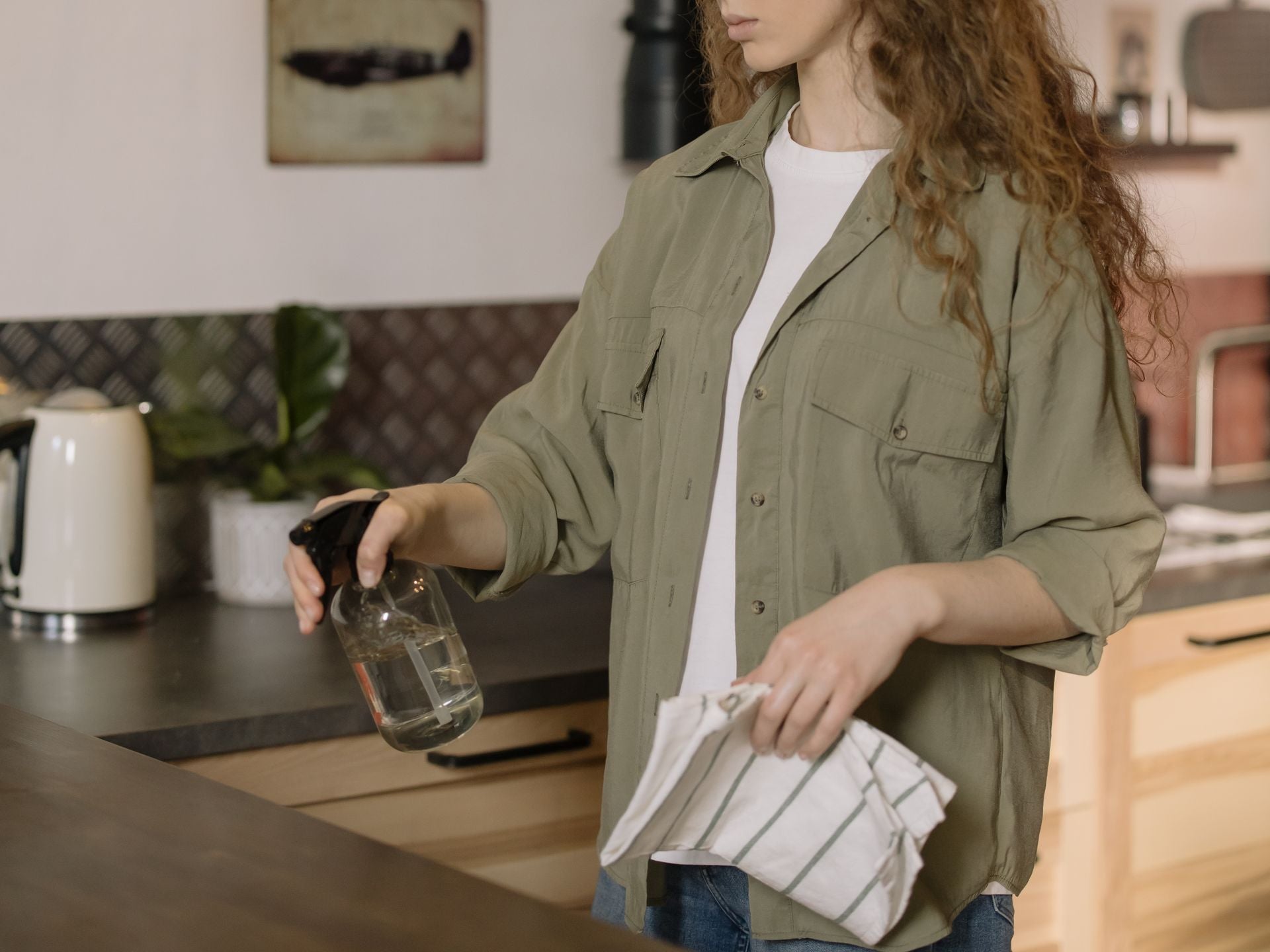
A reusable spray bottle sounds simple, but the decision is not always clear. You might already have a bunch of plastic cleaner bottles under your sink, and buying another bottle can feel like the opposite of low waste.
In this post, we want to sort through that tension. We will talk about when it actually makes sense to buy a reusable spray bottle, when it is better to use what you have, and how cleaner refills change the plastic picture over time.
When a Reusable Spray Bottle Actually Makes Sense
If you open your cabinet and see a row of old cleaning bottles, your first thought might be, "Why would I buy another one?" Eco blogs say, get a reusable spray bottle. Your brain says, I already own plastic. Both are onto something.
The truth is, sometimes a new reusable bottle helps you cut future waste, and sometimes it just adds clutter. The sweet spot is when that new bottle replaces many future single-use bottles, not the ones you already have and could still use.
A reusable spray bottle can make sense when:
- You are already using refills or concentrates at home
- You keep refilling a flimsy old bottle and it feels like it might crack any day
- You want one simple, trusted bottle for daily cleaning instead of a messy mix of random leftovers
We will keep coming back to this idea: the best bottle is the one that actually stays in service for years.
The Footprint of the Bottles You Already Own
There is a simple low waste rule: the most sustainable item is usually the one you already have and can safely keep using. Tossing a plastic bottle that still works just to buy a new "eco" bottle often backfires, because that old bottle had energy and material put into it too.
Most plastic trigger bottles are made from:
- A rigid plastic body
- A mixed plastic trigger and nozzle
- A thin label and glue that do not always age well
In real life, they do not last forever. Labels peel and get slimy. Nozzles clog. The bottle might hold smells that never quite rinse out. At some point, it becomes annoying or even unsafe to keep using, especially if it held harsh cleaners in the past.
Good signs it is time to stop reusing a bottle:
- Cracks, dents, or soft spots in the plastic
- A trigger that sticks, leaks, or sprays unevenly
- Mystery residue you cannot wash out
- A smell that stays even after a good scrub with warm, soapy water
Until that point, though, those bottles are already here. Keeping them in use for refills can be a smart, low-waste move.
Plastic, Glass, or Metal for Refills
When you are ready to commit to refills, the next question is what kind of bottle should hold them. You can reuse what you already have or pick a new reusable spray bottle that feels better in daily use.
Here is how the main options tend to behave at home:
- Reused plastic bottle, no new plastic, but may not last as long
- New reusable plastic bottle, lighter and less breakable, still plastic but usually sturdier
- Glass bottle, feels solid and clean, but can break on tile if dropped
- Stainless steel bottle, very durable, usually needs a plastic liner and always a plastic sprayer
In summer, heat adds another layer. Hot cars, sunny windows, and steamy bathrooms can warp thin plastics or make some cleaners feel off if they sit in direct sun for long periods. A heavier, reusable bottle, plastic, glass, or metal, often stands up better to those swings, especially if you clean more when kids are home, guests are visiting, or floors are sticky from cookouts.
The tradeoff is real. Glass can shatter. Metal can feel heavy. Plastic can scratch and cloud over time. The right pick is the one that you will actually grab with wet hands, on a busy day, without stressing about breaking it.
How Many Bottles You Actually Need
Low waste does not mean filling your home with containers. It usually means having fewer items that you use often. Before buying anything new, it helps to pause and count what already lives under the sink.
A simple way to think about it:
- Start with what you own, pull everything out and sort by type
- Choose the sturdiest bottles for refills, recycle or retire the worst ones
- Add only one new reusable spray bottle if you see a clear gap
Common setups that work well:
- One all-purpose bottle you move from room to room
- One kitchen bottle and one bathroom bottle
- One extra bottle for outdoor or summer messes, like patio tables or sticky floors
If you live in a small place, storing a dozen bottles is not realistic. In warmer months, cleaning often speeds up: more meals at home, more dirt tracked in. A tiny, realistic system might be one main bottle for surfaces and a second bottle for the bathroom, both easy to grab and refill.
Getting More Life From Every Bottle You Own
Before a reusable spray bottle ever enters the picture, there is a lot you can do with the bottles you already have. A little care helps them last longer and stay safe for refills.
Basic tips for reusing old plastic bottles:
- Rinse well with warm water before switching products
- Do not mix cleaners inside the bottle, empty and rinse between formulas
- Label each bottle clearly, especially if you are using concentrates
- Store them away from direct sun and high heat to keep plastic from warping
You will still want to retire bottles at some point. Cracks, leaks, a trigger that drips on your hands, or bottles that smell strange even after washing are good reasons to say goodbye. Depending on your local rules, some parts might be recyclable. Sometimes the trigger can be moved to a sturdier bottle that has a better body but a broken sprayer.
Old bottles can also find a second life for non-cleaning tasks, if you label them clearly so there is no confusion. Many people use them for things like watering plants or misting laundry before ironing, as long as the bottle is fully cleaned and kept separate from cleaners.
How Plastno Refills Fit Into Your Bottle Plan
Plastno focuses on low-waste home cleaning, with fragrance-free, mineral-based cleaner refills, biodegradable sponges, and trash bags for people trying to cut everyday plastic at home. The refills are made to be mixed with water in any clean spray bottle you already own, so you do not have to start by buying a brand new container.
There is still plastic in the system, mostly in sprayer tops and in the bottles that already live in your home. Mineral-based tablets come in plastic-free or recyclable paper packaging, so each refill is not another full plastic bottle leaving your house in the trash.
This setup aims for:
- Fewer new plastic bottles entering your home
- Longer life for the bottles you already own
- A reusable spray bottle only when it clearly earns its place on your shelf
From this point of view, a well-loved reused bottle plus low-waste refills beats a shiny "eco" bottle that sits unused. The focus is on what works in your real daily cleaning, not on a perfect matching set.
Choose Your Next Bottle Move with Intention
If you take one thing from this, let it be this: use up what you already have first. Then decide, with calm and intention, if a reusable spray bottle solves a real problem in your home or just adds to the pile.
A simple starting plan could be:
- Sort the bottles under your sink into "refill and keep using" and "retire soon"
- Pick one sturdy bottle to dedicate to mineral-based refills
- Notice how often you reach for it as the weeks go by
From there, you can always adjust. Add a second bottle if you truly need it, or keep rolling with one trusted helper. One bottle, one refill, one less piece of single-use plastic in your weekly trash, and a cleaning setup that actually fits how you live.
The lowest-waste move is usually the bottle you already own, refilled instead of rebought. When one finally wears out, our fragrance-free mineral-based cleaning tablets mix with water in any clean bottle, and the rest of our refillable cleaners work the same way, so you add cleaning power without adding another plastic bottle to the pile.
Share:
Non-Toxic All-Purpose Cleaner for Homes with Kids and Pets
Why Fragrance-Free Cleaning Matters for Allergies and Asthma