

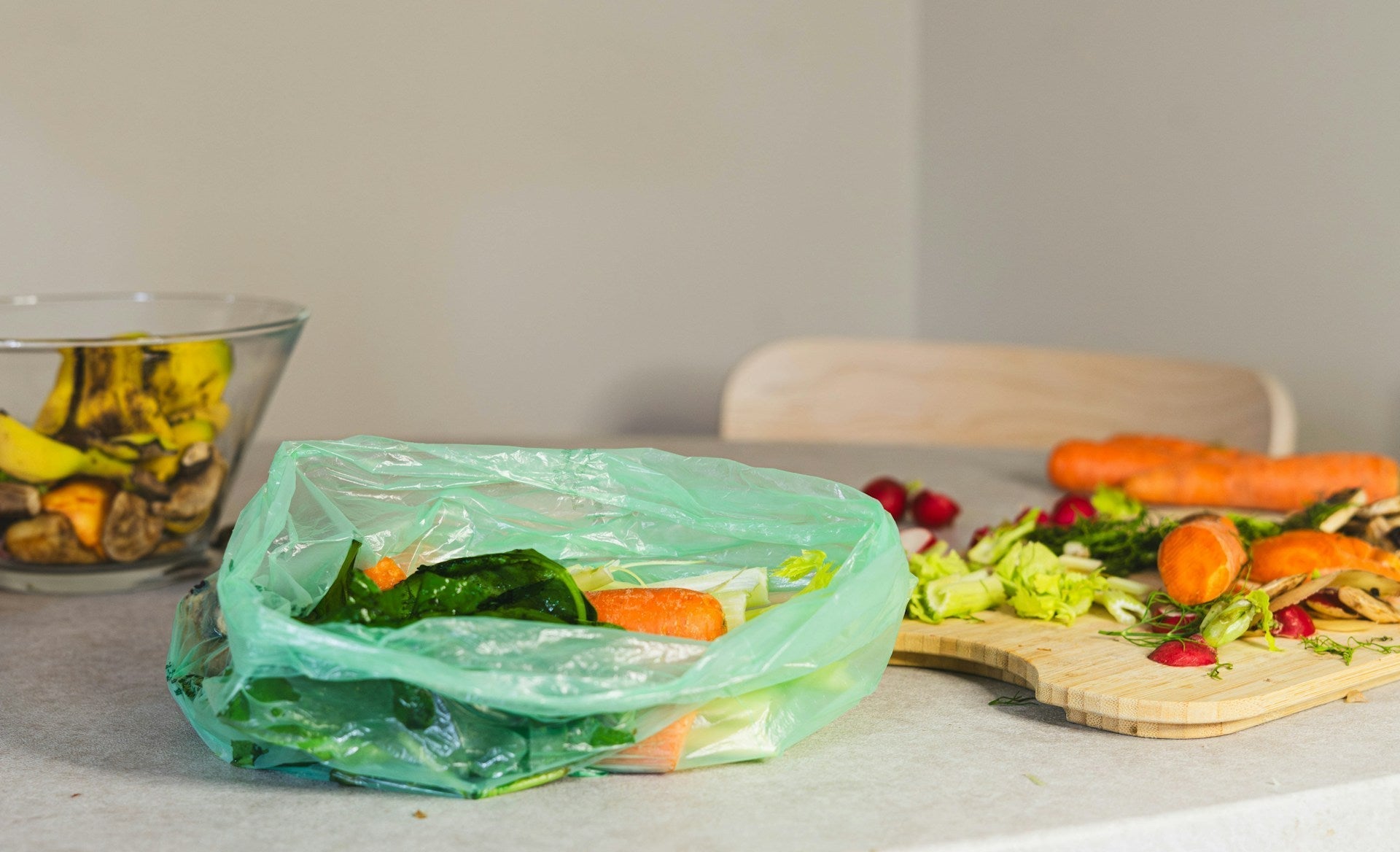
Kitchen trash builds up fast. Between leftovers, snack wrappers, food scraps, and packaging that doesn't get recycled, it can feel like you're constantly emptying the bin. Most people handle this with plastic trash bags, but if you're trying to cut back on plastic waste, that habit starts to feel like a problem.
As more families look for a plastic bags alternative that works without making more mess or more effort, it's clear the answer isn’t just choosing a different bag. It starts with rethinking how we handle waste in the kitchen. Luckily, it doesn’t take big changes to make a difference. Here are a few small steps that can keep your kitchen cleaner while cutting down on plastic and garbage all at once.
Rethink What Goes in the Trash
One quick way to lower the amount of trash you’re throwing out is to stop putting everything in the same bin. The kitchen trash is often full of food waste, but most of it doesn’t need to be there.
Start by separating food scraps from everything else. This does two big things: it makes your main trash bin less smelly and wet, and it lets you use easier, more eco-friendly liners for dry waste. You can keep a small container near your sink or prep area just for compostable scraps. Anything like vegetable peels, fruit skins, coffee grounds, and eggshells can go there. If outdoor composting isn’t possible where you live, many towns have a pickup program or drop-off site for kitchen scraps. If you do use a liner, choosing a certified compostable, plant-based bag made from materials like cornstarch, PLA, and PBAT keeps that system plastic-free while still handling everyday kitchen scraps.
Here’s a quick way to sort:
• Use your food bin for fresh scraps, grains, eggshells, and paper napkins
• Use your main bin for dry non-recyclables like snack bags or greasy packaging
• Recycle clean plastics, paper, and glass in a separate bin
This small sort routine means less trash, fewer odors, and fewer bags used in a week.
Use Reusables for Common Throwaways
A lot of kitchen waste happens before anything hits the trash. Paper towels, plastic baggies, and disposable plates all add to the pile, but there are easy swaps that cut back without changing your whole routine.
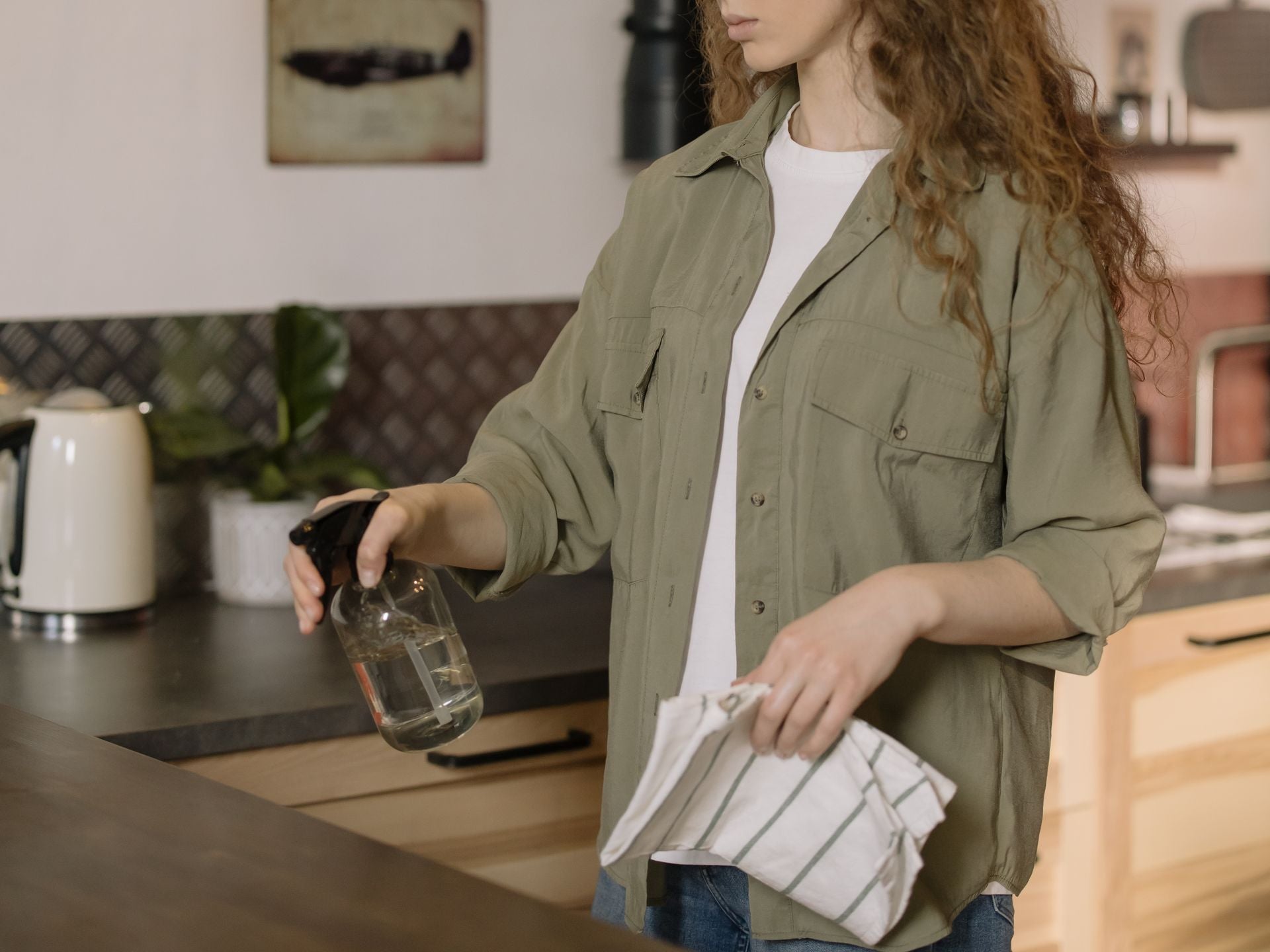
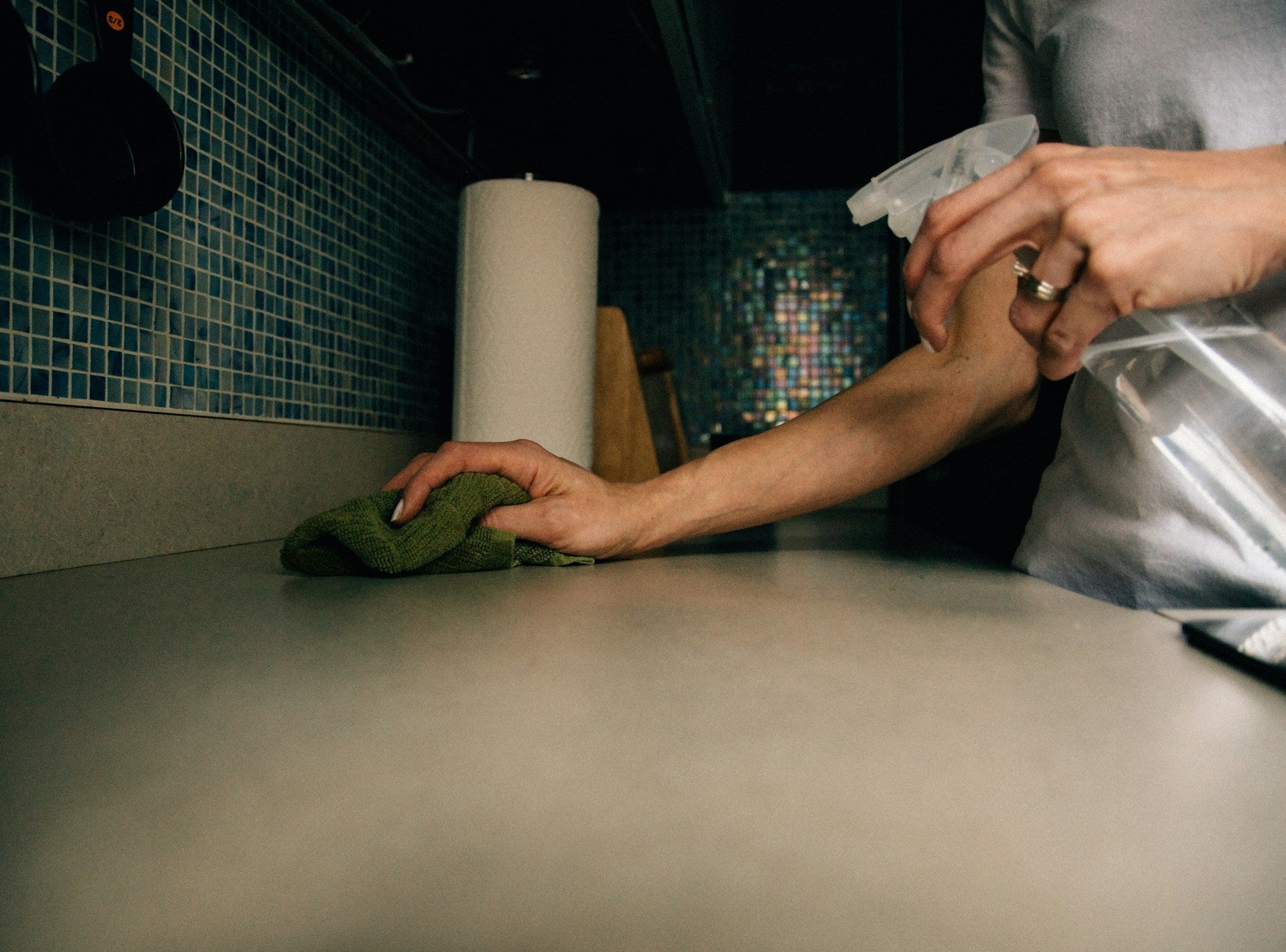
Think about the things you reach for once, then toss. That stack of paper towels? Try a dish cloth or rag instead. Wipe spills, rinse it out, and hang it up. It’s a fast habit to start, and it slows down trash pileup right away.
Food storage is another area where single-use items sneak in. If you pack lunches or store leftovers, switch to reusable containers. Even saving glass jars from other foods can help. And instead of plastic wrap or bags, consider simple containers with lids or beeswax wraps to cover dishes.
Keep an eye out for hidden throwaways. Swapping just one or two items per week makes trash drop off without much effort.
Set Up a Smarter Trash Routine
Sometimes we fill trash bags just because the bin is big and sitting there. Using a smaller one can slow things down and help you toss with purpose. A compact bin keeps things moving daily while helping skip heavy bags full of messy build-up.
Here are a few ways to make the trash routine work better:
• Try using a smaller bin under the sink or inside a cabinet
• Empty it once a day instead of waiting for it to overflow
• Keep liquids, soggy food, and drippy containers out to make the load lighter
You can also time your routine around meals. Clear out scraps right after dinner, when cleanup is already in motion. This helps control smells and makes sure things don’t sit for days.
A routine like this makes the switch to a plastic bags alternative less of a hassle, and more of a habit.
Better Ways to Store and Carry Out Waste
If you're cutting out plastic bags, it's helpful to have another way to line your bins and carry waste outside. There are simple, low-waste tricks to make that part easier. Our 13-gallon kitchen bags are designed to fit most standard tall bins and work for trash, compost, and lining recycle bins, so one box can cover several parts of your routine.
You can:
• Line your bins with newspaper or reused brown paper bags
• Put a layer of paper at the bottom to soak up extra moisture
• Add baking soda to reduce smelly build-up
Storing scraps or dry waste inside cardboard food packaging (like cereal boxes or frozen meal sleeves) can be a short-term container for taking trash to the curb. You can even reuse bags that food came in, like old bread bags or lettuce bags, to hold dry waste before tossing.
These swaps don’t change your routine much, but they support a clean bin and limit mess without relying on fresh plastic liners every time.
Keep Trash Low by Shopping Smart
Another place where trash starts is the grocery store. By shopping with less packaging in mind, we bring fewer throwaway items home in the first place.
Here’s how to cut down during errands:
• Bring your own bags, including smaller ones for produce or snacks
• Choose items in bulk rather than single packs when possible
• Skip products wrapped in layers unless truly needed
Making a list and checking the pantry first can help stop impulse buys that lead to extra waste. We’ve all brought home something we already had, and that doubles wrappers, boxes, or containers without meaning to.
Buying smarter might not sound like a cleaning tip, but it helps your kitchen feel more in control. Less waste means fewer things to organize, less trash build-up, and fewer decisions to juggle each week.
Making Less Trash Feel Easy Year-Round
Cutting down on kitchen trash doesn’t mean doing everything at once. Picking one habit, like switching to cloth towels, setting up a food scrap jar, or using a smaller bin, can make a big impact without turning your routine upside down.
By stacking a few of these steps over time, your kitchen runs smoother, smells better, and gets cleaned faster. Swapping out plastic bags isn't just about finding a new liner. It's about setting up the space around you to naturally make less waste day by day. When the effort is low and the habits stick, the changes last through every season.
Cutting back on waste becomes easier with the right tools and a little planning. Simple changes like better storage, smarter sorting, and reliable waste liners can make a big difference. Our compostable trash bags are certified to break down in both home compost piles and commercial composting facilities, and come in plastic-free, recyclable paper packaging that supports a lower-waste home. If a cleaner, simpler plastic bags alternative is what your daily routine needs, we are here to help. Reach out today and take the first step toward lasting waste reduction and a smarter clean.
Share:
How to Cut Holiday and Party Waste Without the Stress
What’s the Easiest Way to Start a Plastic-Free Cleaning Routine?