

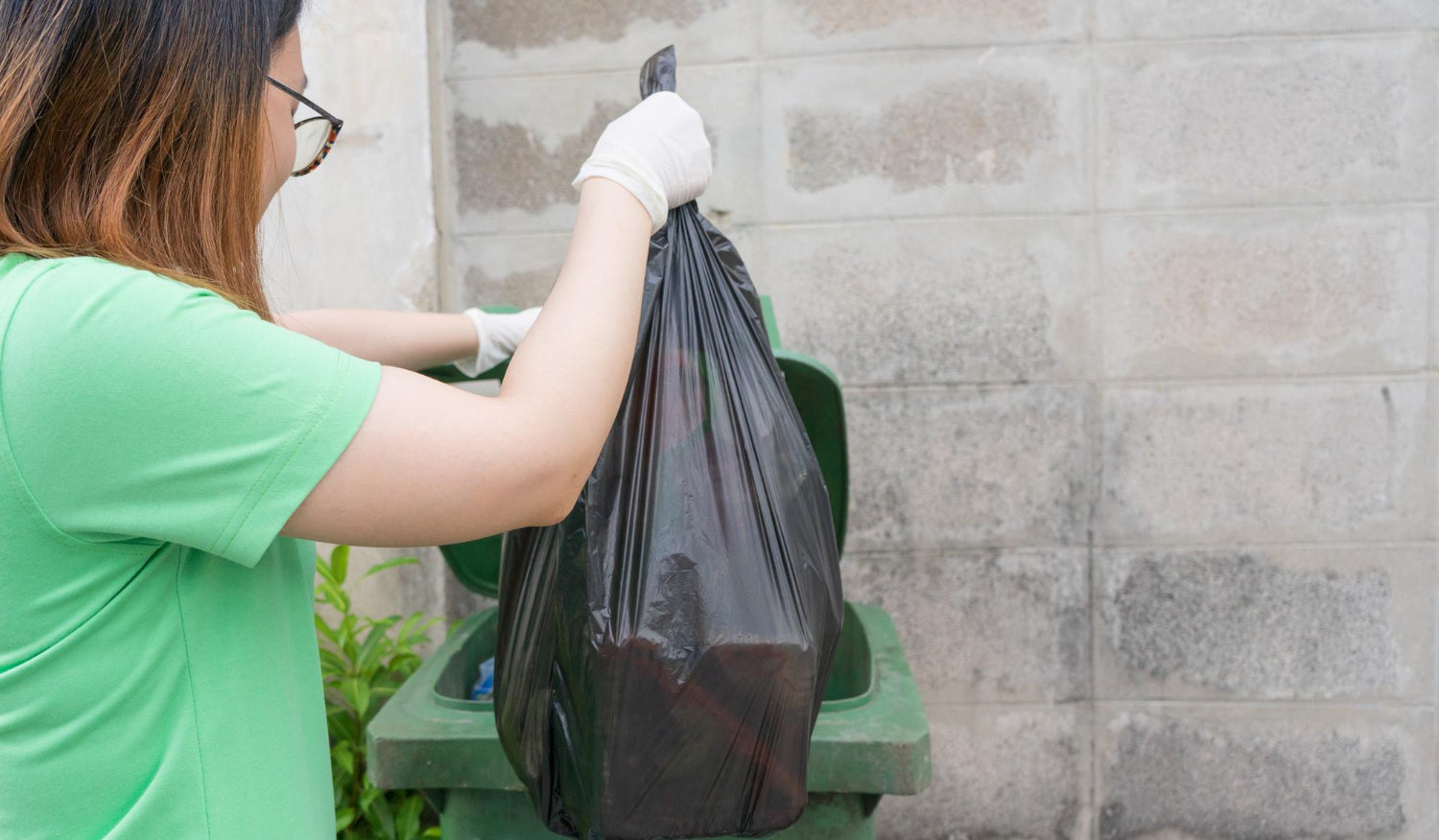
When winter hits, some everyday cleaning routines start to feel a little clunky. Kitchen trash is one of them. You may have noticed that your biodegradable garbage bags seem to fall apart more easily in the cold. Maybe they tear when you pull them from the bin or get stuck together and hard to open. Suddenly, your go-to eco habit doesn’t feel as easy to keep up with.
If you’ve run into bag problems in the colder months, you’re not alone. Cold air and wet conditions indoors can mess with how biodegradable materials behave. Let’s go over what's going wrong and how small changes can help you avoid messes and keep things on track until spring.
Why Cold Weather Impacts Biodegradable Bags
Cold temperatures affect almost everything around the house, and that includes your trash setup. Biodegradable bags are made to break down naturally, but they don’t always love winter. Our tall kitchen bags use renewable, plant-based materials such as cornstarch, polylactic acid, and PBAT, so they respond more directly to shifts in temperature and humidity than traditional plastic. If your bags are splitting or failing faster this time of year, there are a few reasons why.
• When it’s cold out, the breakdown process slows down. These bags are sensitive to the environment around them. Without enough heat, they can become stiff and less flexible.
• Freezing temperatures can make the materials brittle. If you store your bags somewhere cold, like a garage or shed, they’re more likely to crack or tear when you try to use them.
• Trash bins inside can trap damp air when it’s cold. The moisture that builds up turns into condensation, which ends up weakening the bags over time. This can lead to leaks or seams that don’t hold up.
Understanding how winter hits these materials gives you a place to start making things easier.
Storing Bags Right in Winter Makes a Big Difference
Where you keep your bags during the winter months can change how well they work. If you’ve been storing your extras in the garage, it might be time to bring them inside. Sudden drops in temperature or long stretches of freezing air can break down bag quality before you even open the box. The plant-based material in our bags has a shelf life of about 12 months, and we recommend storing them in a cool, dry space and buying only what you expect to use within 3 to 4 months for best strength.
Try keeping a small supply closer to where you actually use them. Some good indoor spots include:
• Under the kitchen sink, if space allows
• Hall closets or utility closets inside your home
• On a high shelf in a pantry (away from heat vents or humidifiers)
Make sure the spot stays dry and blocks out light. Extra moisture and sun exposure won’t help bag performance. If a sealed container fits, that’s even better. You’ll be keeping the bags in steady conditions so they stay ready when you need them.
Tips to Keep Your Trash Routine Clean and Tidy
Once you’ve solved the storage issues, the next step is adjusting how you use the bags. Minor changes to your trash routine can make a big difference in how well things hold together.
Below are a few ways to improve the trash routine:
• Use a kitchen trash bin that matches your bag size. If the bag is too big or small, it’s more likely to sag, stretch, or tear.
• If you throw food scraps in the trash, double-bag them or freeze them first. It helps reduce the chance of wet messes leaking through.
• Don’t let trash pile up too long. Small loads change out quicker, with less time for the bag to collect wet materials or condensation.
Paying attention to timing and how your bin is set up helps prevent the kind of frustration that makes winter cleaning feel harder than it should.
Smart Swaps to Make Winter Cleanup Easier
Trash bag issues are just one part of the winter waste challenge in a house. Cold temperatures can slow down all kinds of normal habits. That’s a good reason to make some smart swaps in how you sort and throw things away.
Instead of tossing all food scraps into your main bin, try these ideas:
• Use a small compost caddy lined with paper or nothing at all. Empty it regularly to a compost pile or collection service if your town does pickups.
• Freeze scraps in an old container until you’re ready to put them out, especially in colder areas where smells can build indoors.
• At the bottom of your trash bag, lay dry paper from recycled mail or cardboard to absorb extra moisture.
Better yet, try to cut down on trash volume itself. That might look like reusing containers, rinsing and recycling plastics more often, or choosing bulk items with less packaging. Less trash means less strain on your system.
When Eco-Friendly Bags Work Best
Biodegradable garbage bags aren't the problem. They just need different conditions to work their best. When used properly, they're still one of the easiest swaps for keeping plastic out of your home.
They shine in everyday routines when:
• They’re stored in stable, indoor places until you’re ready to use them
• You’re using them for lightweight or dry waste like paper towels, packaging, or clean scraps
• Other parts of your routine support them, like composting food elsewhere and avoiding excess liquid in the primary bin
By handling these bags with a little more care during colder months, they’ll continue to be a helpful tool in your plastic-free setup.
Keep Your Trash Routine Working Year-Round
Winter brings enough challenges as it is, and your trash setup shouldn’t be one of them. Once you understand how colder temperatures slow down the breakdown process and weaken materials, it's easier to adjust your habits.
Simple changes like keeping bags inside, adjusting what ends up in the bin, and switching how you handle food waste can keep things smooth until warmer weather returns. With a setup that supports your goals, biodegradable bags can stay strong and helpful all winter long.
At Plastno, we understand that managing winter messes with less waste starts with having the right tools for the season. Preparing your setup for changing temperatures and moisture is especially important when working with eco-friendly materials. To refresh your routine with cleaner and simpler solutions, our biodegradable garbage bags made from plant-based materials offer reliable performance when used with the right habits. Have questions about using them in your home? Reach out to us anytime.
Share:
Eco-Friendly Strategies for Minimizing Holiday Waste at Home
Steps to Cut Down Kitchen Trash Without Plastic Bags