

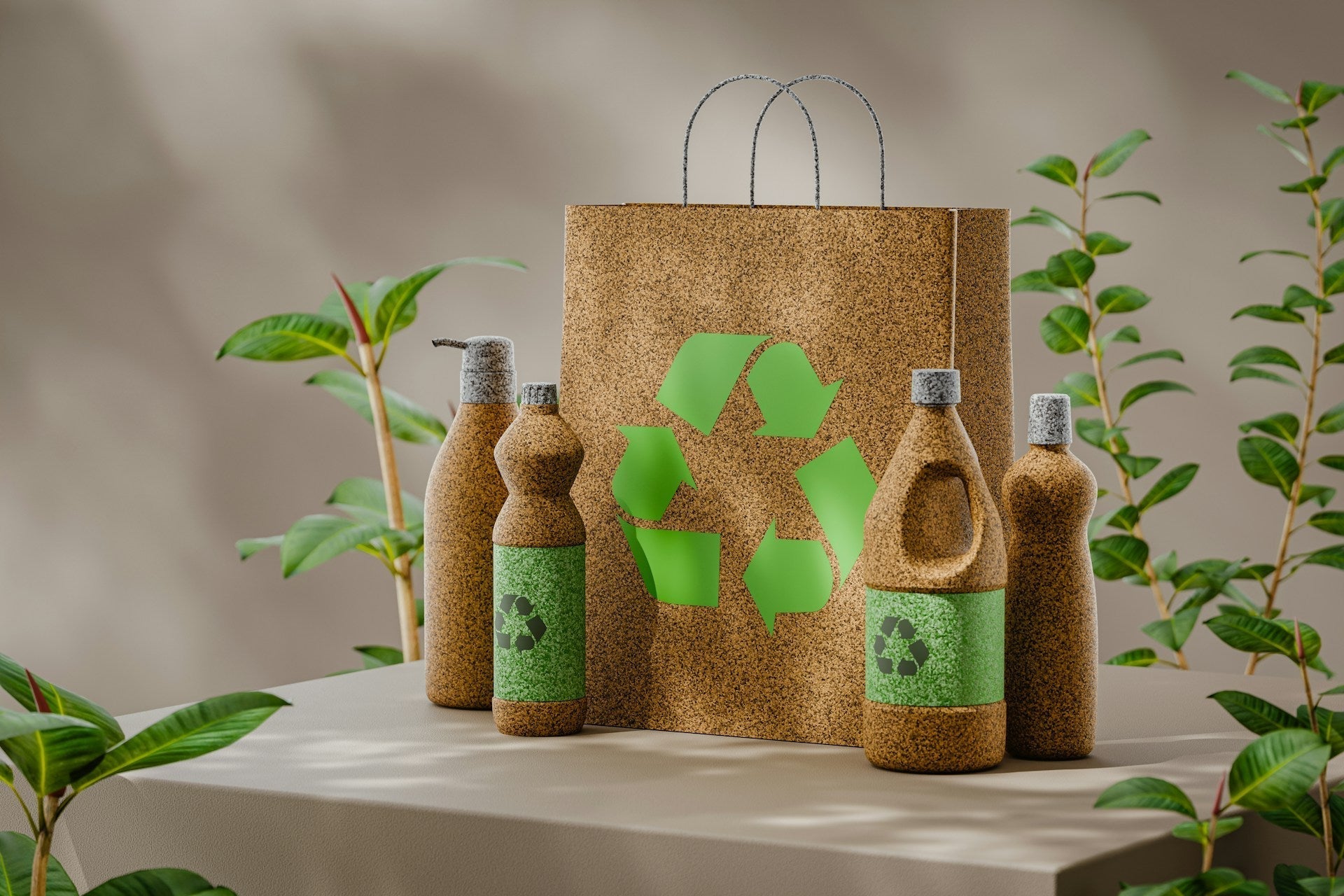
Why Biodegradable vs. Compostable Labels Really Matter
Biodegradable vs. compostable might look like a simple wording difference on a cleaning product, but those two labels can lead to very different outcomes once the item ends up in the trash. When we are trying to build a low-waste routine, what happens after we are done with a sponge, trash bag, or cleaner refill matters just as much as how it works on our counters. If the terms are unclear, it becomes harder to keep waste out of landfills and support systems that actually return materials to nature.
At Plastno, we focus on zero waste cleaning, so we spend a lot of time reading the fine print on materials and certifications. In this guide, we will clarify what biodegradable vs. compostable really means in everyday life, how certifications fit in, and how to use that knowledge to choose better products for your home. By the end, you will be able to look at a label and immediately understand whether it supports your low-waste goals or if it is mostly marketing language.
What Biodegradable Really Means in Everyday Life
Biodegradable simply means that a material can be broken down by microorganisms such as bacteria and fungi over time. That is it. There is no built-in promise about how long it will take, what conditions are needed, or what the end result will look like. Almost everything biodegrades if you give it enough time, which is why this word on its own is not a guarantee of low impact.
In the United States, there is no single universal standard that a product must meet before it can be called biodegradable. Companies can put that word on packaging without proving how quickly the item breaks down or whether it fully returns to natural components. The actual breakdown depends a lot on where the product ends up, such as a dry landfill, a backyard compost bin, or an industrial facility.
A common misconception is that biodegradable means something will disappear quickly and safely anywhere, even in a sealed landfill bag. In reality, many landfills are designed to limit oxygen and moisture, which slows or almost stops the activity of microorganisms. In those conditions, even materials that would break down in soil or compost can sit for a very long time, and may not turn into something that benefits the environment.
For zero waste cleaning, biodegradable can still be a step in the right direction when it replaces conventional plastics. For example, our scrub sponges and soak sponges are made to be biodegradable. They are designed to break down more naturally than plastic-based sponges, especially if they are exposed to the right mix of moisture, air, and microbes. However, they are not certified compostable, so they should not be treated like a product that has passed strict compostability testing.
What Compostable Means and Why Certification Matters
Compostable materials go a step further than biodegradable. A compostable product is meant to break down into non-toxic, nutrient-rich material within a specific timeframe and under defined conditions. The goal is not just to disappear, but to transform into something that can support healthy soil when processed in a compost system.
There are two main composting environments that matter for shoppers. Industrial composting facilities manage very controlled conditions, with higher temperatures, consistent moisture, and regular turning or aeration. Many certified compostable products rely on this intense environment to break down properly. Home composting is usually cooler and less controlled, with backyard bins or piles that vary a lot in temperature and moisture, so only some products are suitable for that setting.
Because conditions matter so much, third-party certifications are key. These certifications test products to make sure they meet specific standards for compostability. In the United States, BPI focuses on compostability in industrial facilities. For home composting, certifications such as TUV OK Compost HOME apply to products that can break down in typical backyard compost conditions.
Certified compostable products are tested for how fast they break down, how completely they disintegrate, and whether they leave behind any harmful residues. This is why a certified compostable claim is more reliable than a generic biodegradable label. The certification tells you something real about what will happen to the product when it is handled in the right compost system, instead of leaving you guessing.
Biodegradable vs. Compostable: A Clear Side-by-Side Comparison
Both biodegradable and compostable materials rely on microorganisms to break them down, but the level of certainty you get as a shopper is very different. Biodegradable items have no universal timeline or required conditions attached to that word, while compostable items that are certified have clearly defined expectations for speed, completeness, and safety of breakdown.
With compostable products, certifications play a central role. Organizations test the product to confirm that it meets standards for industrial or home composting. In contrast, biodegradable as a label usually does not involve any third-party verification at all. That gap matters when you are trying to reduce waste, because one term is backed by testing while the other is often just a claim.
The real-world outcomes highlight this difference. A biodegradable sponge that ends up in a landfill may sit for a very long time with little change, especially if it is buried in a plastic trash bag without air or moisture. A certified compostable trash bag that goes to an industrial or home compost system is designed to break down along with food scraps and other organics, turning into compost that can support plant growth.
For a zero waste cleaning routine, both types of products can have a place, depending on your local options. If you have access to curbside or drop-off composting, choosing certified compostable items for things like trash bags can help close the loop on organic waste. If you do not have composting nearby, choosing biodegradable sponges and cloths can still reduce the amount of conventional plastic entering the waste stream, even if disposal options are limited.
How This Applies to Plastno Sponges Trash Bags and Packaging
At Plastno, we try to be very clear about where our products land in the biodegradable vs. compostable conversation. Our cleaning sponges and cloths are biodegradable, not certified compostable. They are designed to break down more naturally than plastic-based alternatives and support a lower-waste routine in the kitchen and bathroom, but they should not be marketed or treated as compostable products.
Our trash bags are different. They are certified compostable, with both BPI and TUV OK Compost HOME certifications. That means they are designed and tested to break down in both industrial compost facilities and typical home compost systems, when those systems are managed according to best practices. Used together with food scraps and other organics, they support turning household waste into nutrient-rich compost.
We also pay attention to packaging. Plastno packaging is either plastic-free or recyclable, but it is not compostable and not FSC certified. That distinction matters because we do not want to imply that packaging can be composted or that it meets forestry standards when it does not. Being transparent about these details helps support honest sustainability claims instead of adding to confusion.
All of these choices connect to our broader approach to zero waste cleaning. We encourage shoppers to check local recycling and composting rules, then dispose of each item in the most thoughtful way available. That might mean composting certified compostable trash bags with food waste, recycling certain packaging, and choosing biodegradable sponges instead of plastic-heavy ones even if they still go to landfill.
Choosing Better Products for a Low Waste Cleaning Routine
So how do you actually use the biodegradable vs. compostable distinction while shopping for home cleaning products?
A few simple habits can help:
- Look for recognized compostable certifications like BPI or TUV OK Compost HOME instead of relying on the word compostable by itself
- Read the back or sides of the package, not just the front, to see what conditions and facilities are required
- Notice whether the product is simply described as biodegradable or if any standards are mentioned
- Think about where your trash and organics actually go in your city
- Favor products that are clear and specific about materials and end-of-life, rather than vague eco language
Local waste options are an important part of the decision. If you have curbside composting or a community compost drop-off, certified compostable trash bags can help keep food scraps and compostable materials contained without adding conventional plastic to your bin. If you rely mostly on landfill trash, swapping to biodegradable sponges and cloths still cuts down on plastic and supports a lower-waste cleaning routine over time.
At Plastno, we share details about our materials, ingredients, and approach to zero waste cleaning so you can make choices that match your values. Even small swaps, like moving from plastic-heavy scrubbers to biodegradable sponges or from regular trash bags to certified compostable ones where composting exists, can add up to a cleaner, lower-waste home.
Once you know what the labels actually promise, the choice gets easier: reach for our certified compostable trash bags where you can compost, and biodegradable where you cannot. You can see how we apply that thinking across our materials and packaging, so every swap moves your home a little further from plastic.


Share:
Are Refillable Cleaning Products Worth It, An Honest Look
Cleaning Subscription Emissions: Refills vs. In-Store Concentrates + Calculator