

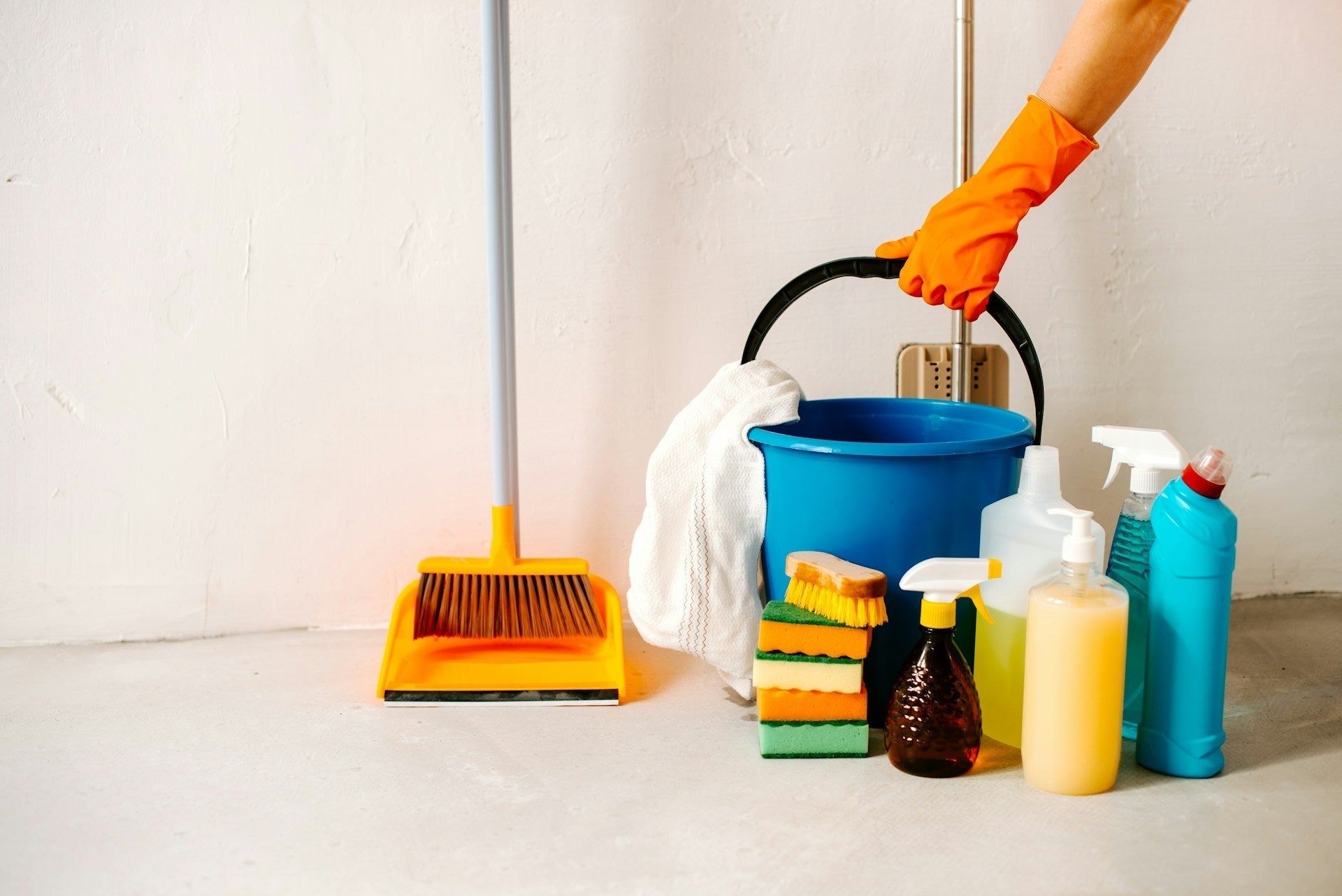
Refillable cleaning products promise less plastic and lower cost, but do they actually deliver, or just add a step to your routine? Here is an honest look at how refills work, where they save, and how to use them without overbuying.
How refillable cleaning works
The idea is simple. You keep one durable bottle and replace only the cleaner inside it, usually as a concentrate or a tablet you drop in water. Instead of buying a new plastic spray bottle every time, you reorder a small refill. One bottle, used over and over.
Where refills actually save
- Plastic. A refill is a fraction of the packaging of a full bottle, and most of a liquid cleaner is water you are otherwise paying to ship.
- Cost over time. Refills usually cost less per use than buying the whole product again, because you are not paying for a new bottle each time.
- Shipping impact. Lighter, smaller refills take less fuel to move than jugs of pre-mixed liquid.
How to avoid overbuying
The one trap with refills is stocking up on more than you will use. Cleaners do not last forever, and a cabinet of half-used products is its own kind of waste. Buy for a season at a time, keep one of each format rather than three, and reorder when you are genuinely running low. A subscription can help here by matching deliveries to how fast you actually go through things.
Subscriptions without the lock-in
A refill subscription only makes sense if it bends to your life rather than the other way around. With a Plastno subscription you can choose how often refills arrive, and pause, skip, or cancel anytime with no annual fee. If you have more than you need, push the next delivery back. If you are running low, pull it forward.
So, are they worth it?
For anything you use regularly, yes. Refillable cleaning products cut plastic and usually cost, with the one caveat that you match your buying to your actual use. Set a realistic cadence and a refill habit pays off every reorder.
Share:
Test Eco-Friendly Cleaners at Home: Soil, Dwell Time, and Tool Pairing
Biodegradable vs. Compostable: What Shoppers Need to Know