

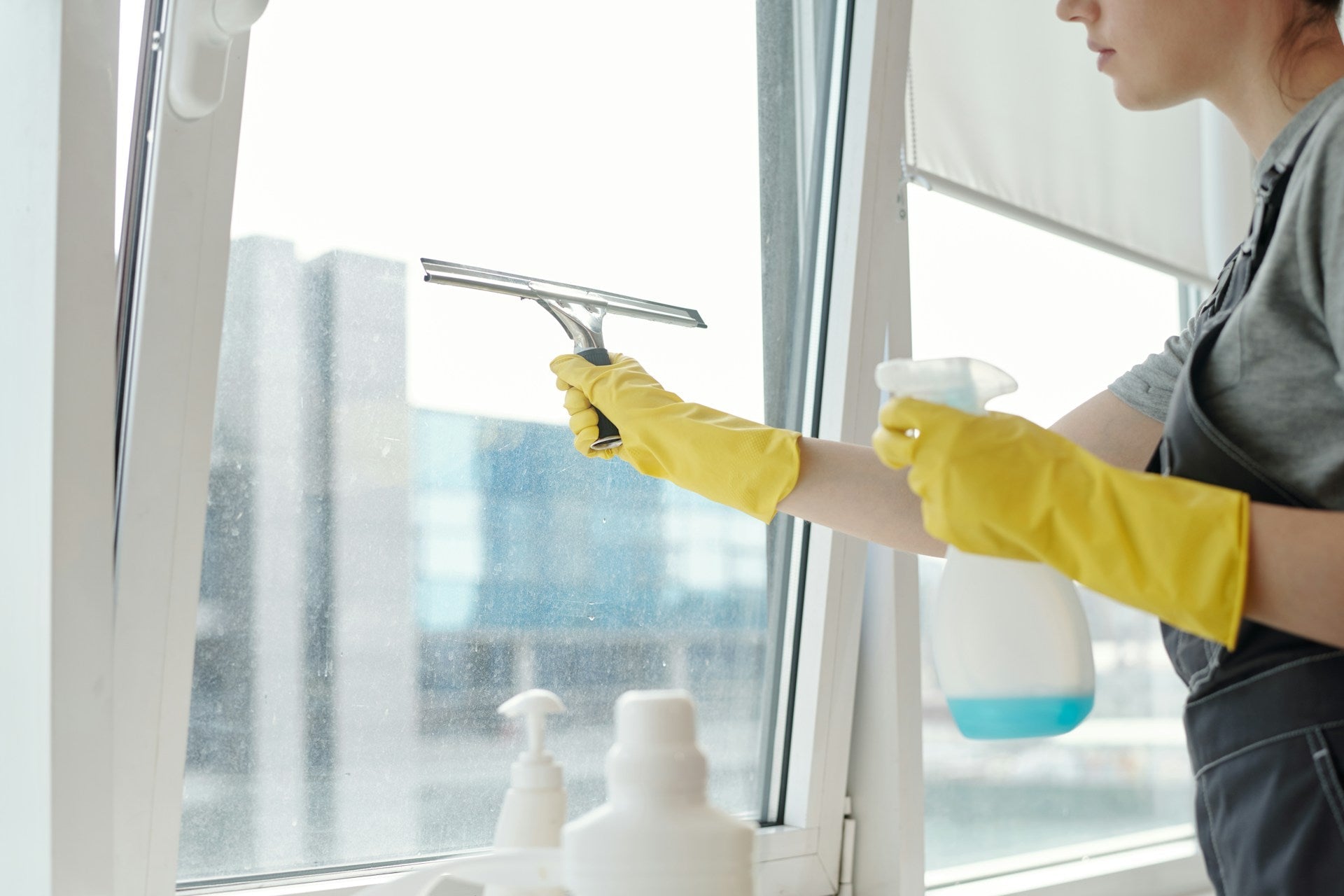
Turn Your Kitchen Into a Mini Cleaning Lab
Eco-friendly cleaning products can work really well, but they do not all work the same way. Some are great on grease, some shine on glass, and some are better for bathrooms. If we only go by the label, it is hard to know what will actually handle the messes in our homes.
That is where a simple home test comes in. When we treat our kitchen like a mini cleaning lab, we can see what works on the real messes we deal with every week, from splattered tomato sauce to muddy paw prints. We get to keep our values about safer ingredients and less plastic, while still getting a home that feels clean.
In this guide, we will walk through three easy testing pillars we love: soil type, dwell time, and tool pairing. Think of it as a fun, science-lite project you can do while you are getting ready for late-spring deep cleaning and summer hosting. Your everyday messes become your “test soils,” and your results turn into a smarter, low-waste cleaning routine.
Build a Simple Home Test Kit for Eco-Friendly Cleaners
You do not need fancy gear to test eco-friendly cleaning products. Most of what you need is already in your kitchen.
Try gathering:
-
2, 4 white tiles, plates, or small dishes
-
A permanent marker for labeling tests
-
A timer or your phone
-
Microfiber cloths
-
A soft scrub sponge and an old toothbrush
-
A small bowl or tray for muddy water
For test messes, start with things you already spill, such as:
-
A strong colorant, such as coffee or tea
-
Oil or cooking spray
-
Tomato sauce or ketchup
-
A bit of garden soil mixed with water
Pick 2 or 3 eco-friendly cleaners to compare, like: an all-purpose spray, a bathroom spray, and a concentrated refill you mix with water. Plastno's plastic-free cleaning tablets are an easy concentrated refill to include. Try testing on surfaces that actually matter in your home, such as:
-
Countertops or a section of backsplash
-
Sinks and faucets
-
Glass or mirrors
-
A small patch of floor tile or vinyl
Keep it safe and real. Test new cleaners in a small, hidden area first, especially on wood or stone. Never mix products in one bottle. Use normal room-temperature water and the same amount of scrubbing pressure you would on a regular cleaning day. The goal is not a lab-perfect test, just a fair one.
Soil-Type Experiments That Reveal Hidden Strengths
Different messes need different cleaning power. A cleaner that breezes through dusty shelves may struggle with a baked-on pan. Soil testing helps us see those hidden strengths.
First, “standardize” your messes as best you can:
-
Put a teaspoon-sized spot of coffee or tea on each white tile or plate.
-
Add a small spoon of tomato sauce on another set.
-
Brush a little oil across a third set.
-
Drip muddy water or tap some dry dirt on a fourth set.
Label each tile with the soil type and cleaner name. Let everything dry for the same amount of time, maybe 15 to 30 minutes, so it is fair. Then spray or apply each cleaner to its matching spot.
Use a simple scoring system of 1 to 5 for each soil:
-
Ease of removal, how much effort did you need?
-
Streaking, how clear did the surface look after?
-
Residue, any sticky film or dull patch left behind?
Write down quick notes in a “home test log.” You might see patterns like: one cleaner that shines on greasy oil, another that is better for light dust and fingerprints, and another that helps more with mineral spots around the sink.
As the weather warms up and we spend more time outside, add seasonal soils too. Try:
-
Pollen from window sills or porch railings
-
Garden soil from shoes
-
Sunscreen smears on glass tables
-
Outdoor food spills from barbecue nights
Those extra tests help you get ready for late-spring and summer cleaning without guessing.
Dwell Time Tricks to Make Eco Cleaners Work Harder
Dwell time is simply how long a cleaner sits on the mess before we wipe or scrub. For many eco-friendly cleaning products with simpler ingredients, this waiting time can make a big difference.
Set up a quick experiment:
-
Make three similar messes, like three greasy spots on a tile.
-
Spray each with the same cleaner at the same distance.
-
Wipe the first spot right away.
-
Wipe the second after 1 minute.
-
Wipe the third after 5 minutes.
Use the same cloth and pressure for all three. Notice which one comes clean fastest, how much scrubbing your arm does, and how the surface looks and smells afterward. You will likely see that a little patience helps on tougher buildup.
Good rules of thumb:
-
Longer dwell time helps on soap scum in showers, bathroom grout, dirty sinks, and greasy stovetops.
-
Shorter dwell time is better on wood, some fabrics, and spots where water can soak in.
To fit this into daily life, spray the bathroom sink, then clean the mirror while it sits. Or spray the stove, then load the dishwasher, then wipe the stove. You are not slowing down; you are just letting the product do more of the work while you do something else.
Match Cleaners with the Right Tools for Maximum Power
The tool you use with your cleaner can change everything. A great eco cleaner with the wrong tool can feel weak, and a simple formula with the right tool can feel powerful.
Try a few pairings and compare:
-
Glass cleaner with microfiber cloth vs. paper towel on a mirror
-
All-purpose spray with a scrub sponge vs. an old dish rag on a greasy backsplash
-
Bathroom cleaner with a small grout brush vs. a regular sponge on shower corners
For each combo, count how many passes or scrubs it takes to get the surface where you want it. Less effort and fewer passes usually means the tool and cleaner are a good match.
If you care about waste, look for tools that last, like:
-
Reusable microfiber cloths instead of disposable wipes
-
Biodegradable or plant-based scrub sponges
-
Refillable spray bottles you keep using
-
Durable brushes for grout and tight corners
At Plastno, we focus on tools and formats that cut plastic where we can, like refillable sprays and low-waste scrubbers, while still fitting into normal cleaning routines. The goal is not perfection; it is steady, practical changes that still leave your sink, counters, and floors feeling truly clean.
Turn Your Test Results Into a Smart, Low-Waste Cleaning Plan
Once you have scores and notes, turn them into a simple cleaning playbook. You might list:
-
Best cleaner and tool for kitchen grease
-
Best combo for bathroom buildup and soap scum
-
Favorite option for glass and mirrors
-
Go-to setup for outdoor and summer messes
Now build a streamlined kit instead of a crowded cabinet. Keep only the eco-friendly cleaning products that actually earned their place in your tests, along with a few refillable bottles and versatile tools. This cuts clutter, plastic waste, and decision fatigue every time you clean.
At Plastno, we love seeing people treat their homes like real-life test spaces. When we slow down just a little to test soil types, dwell time, and tool pairings, we stop guessing and start cleaning smarter. Your late-spring deep clean and summer hosting get easier, your routine feels lighter, and your low-waste habits stick in a way that fits real life.
Transform Your Home With Healthier, Low-Waste Cleaning
Choose cleaning solutions that are tough on grime but gentle on your family and the planet with Plastno’s curated eco-friendly cleaning products. We carefully select concentrated, low-waste options so you can simplify your routine while cutting down on plastic and harmful chemicals. Explore our collection today to refresh every room with cleaner ingredients and smarter packaging, and if you have questions about what to start with, feel free to contact us.

Share:
Signs Your Cleaning Routine Isn’t Truly Eco-Friendly
Are Refillable Cleaning Products Worth It, An Honest Look