

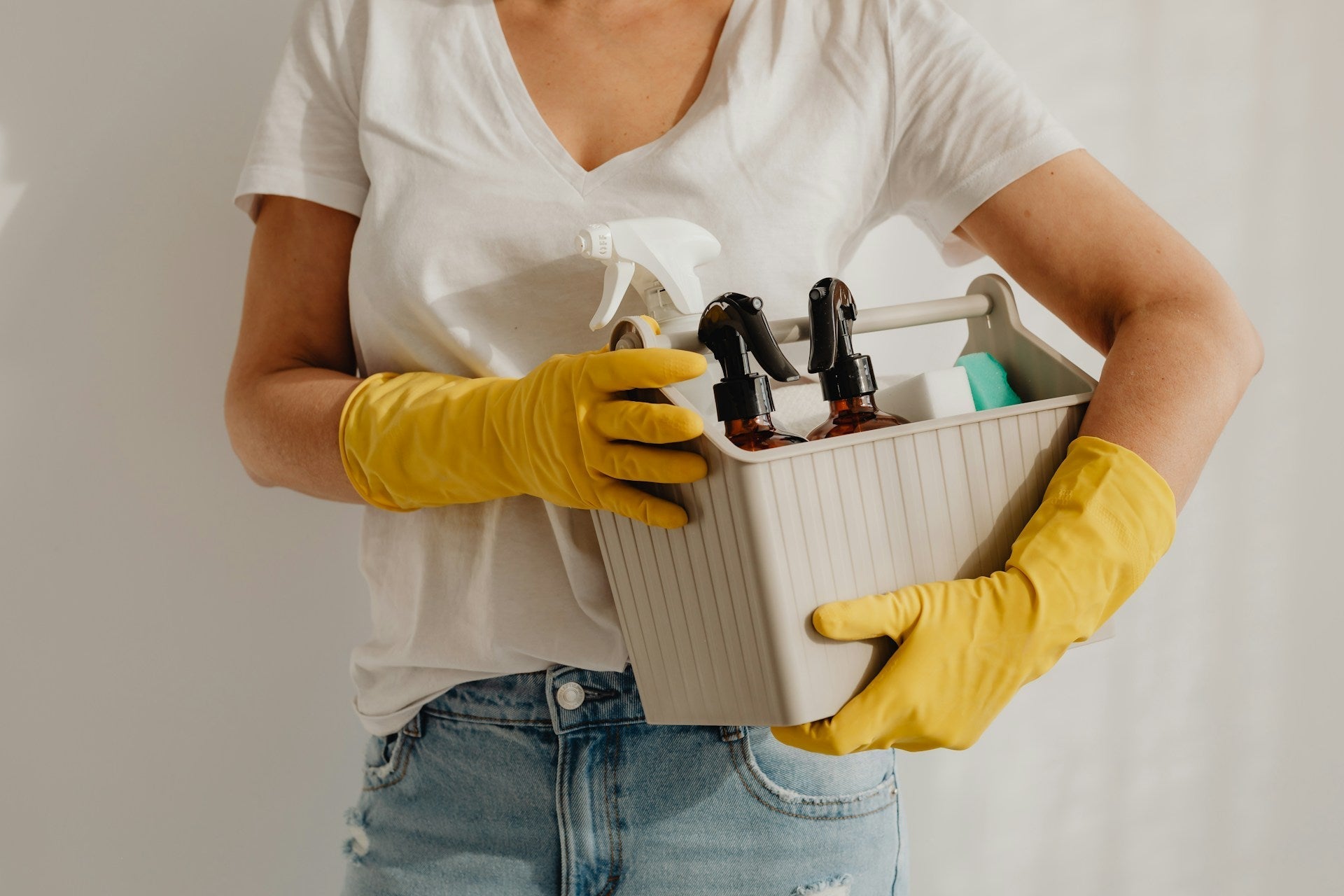
Rethink “Green” Cleaning Before Summer Kicks In
A cleaning routine can look eco-friendly on the outside and still create a lot of hidden waste. The bottle might say “green” or “non-toxic,” but the routine behind it might tell a different story. As the weather warms up and we prep our homes for summer guests, school breaks, and sticky days indoors, it is a great time to take a closer look.
When the heat rises, many of us close the windows and run fans or AC. That means whatever we spray, wipe, or scrub tends to hang around in our indoor air. True eco-friendly house cleaning products and habits do more than swap one bottle for another. They protect the people living in the home, cut down on plastic, and make cleaning feel simpler instead of more complicated.
Many “green” routines still lean on:
-
Hidden plastics and single-use packaging
-
Strong synthetic scents that cling to the air
-
Disposable tools that head straight to the trash
If that sounds a bit familiar, you are not alone. The good news is we can fix it one small habit at a time.
When “Non-Toxic” Labels Don’t Tell the Whole Story
Words like “natural,” “green,” and “eco” can look comforting on a label. The problem is that those words are not always backed up by clear rules. A product can use them and still contain things you may not want in your home.
Common red flags to watch for include:
-
Long ingredient lists full of terms you cannot say out loud
-
“Fragrance” with no extra details, which often means hidden chemicals
-
Bright dyes that add color but do not help with cleaning
-
Unneeded antibacterial claims for basic home surfaces
When we clean, those ingredients touch the counters where we prep food, the floors kids crawl on, and the sinks that wash into local water systems. Over time, harsh formulas can affect indoor air and what washes down the drain.
A safer approach is simple: fewer, clearer ingredients that you recognize. At Plastno, we focus on simple, safe components in eco-friendly house cleaning products that still do the hard work. When you can actually read and understand the label, it is easier to trust what you are using around the people and pets you love.
Hidden Plastic Waste Lurking in Your Cleaning Routine
Even when the liquid inside the bottle is gentler, plastic can sneak into almost every part of a cleaning routine. It shows up in obvious places, like single-use spray bottles, and in spots that are easy to miss.
Hidden plastic often appears as:
-
Disposable cleaning wipes in soft plastic packs
-
Sponges wrapped in plastic film
-
Synthetic scrub pads that shed tiny microplastics
-
Repeated “recyclable” bottles that still need new plastic to be made
Recycling can help, but it does not erase the energy and resources needed to make and move new plastic. Many items also never make it through the full recycling process. Over time, they can break down into tiny pieces that end up in soil and water.
Switching to lower-waste tools can make a big difference:
-
Refillable spray bottles you keep and refill again and again
-
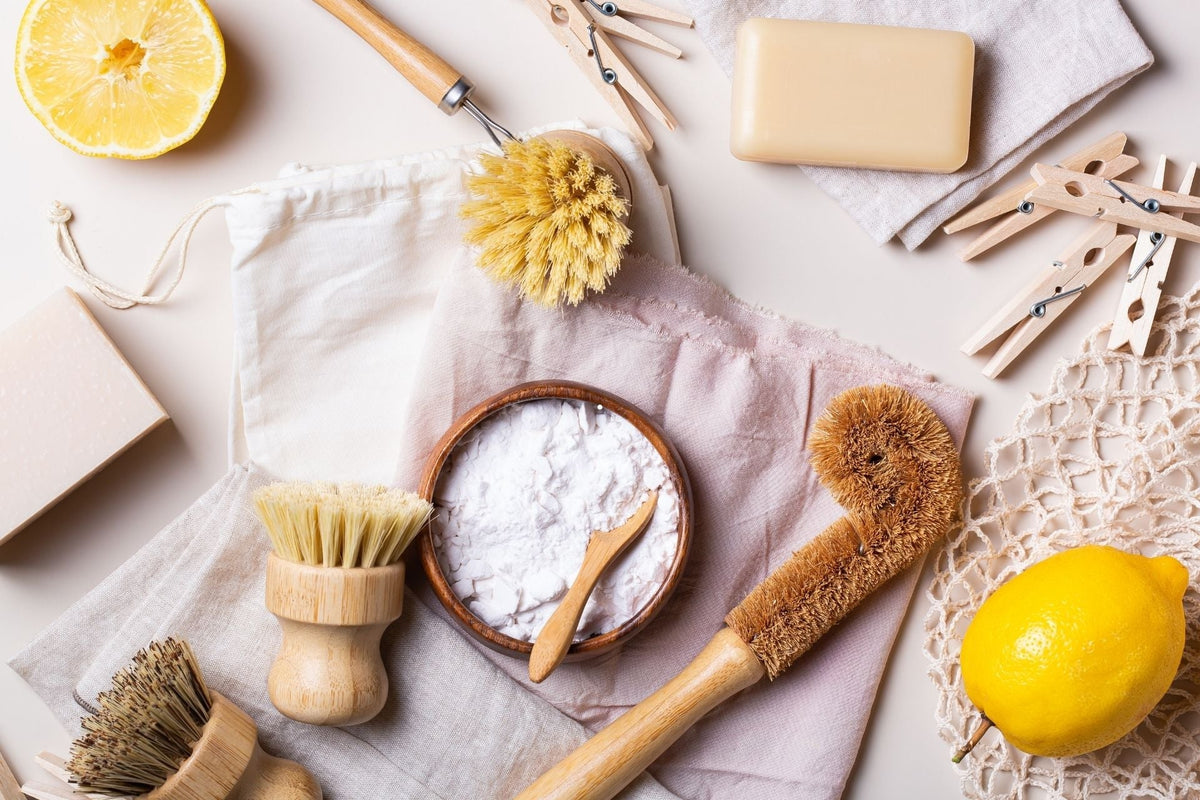
Plastic-free dish brushes with replaceable heads
-
Biodegradable sponges that can be composted in the right setup
-
Reusable cloths instead of stacks of disposable wipes
-
Concentrated tablets or powders that cut down packaging, like Plastno's refillable cleaning tablets
These swaps are simple, but they start to shift the whole routine. Instead of throwing out a bottle every month, you start to refill what you already own. That helps keep trash cans lighter all year.
Are Your “Eco” Tools Actually Built to Last?
Not all “green” items are equal. Some look eco-friendly, with a pretty label or natural color, but break after a few uses. Others mix wood, plastic, and metal in a way that is hard to repair or recycle.
Short-lived “eco” tools can show up as:
-
Fragile spray bottles that crack if they tip over
-
Brushes that lose bristles quickly
-
Cloths that fall apart after a few washes
-
Spring cleaning “sets” that add clutter more than help
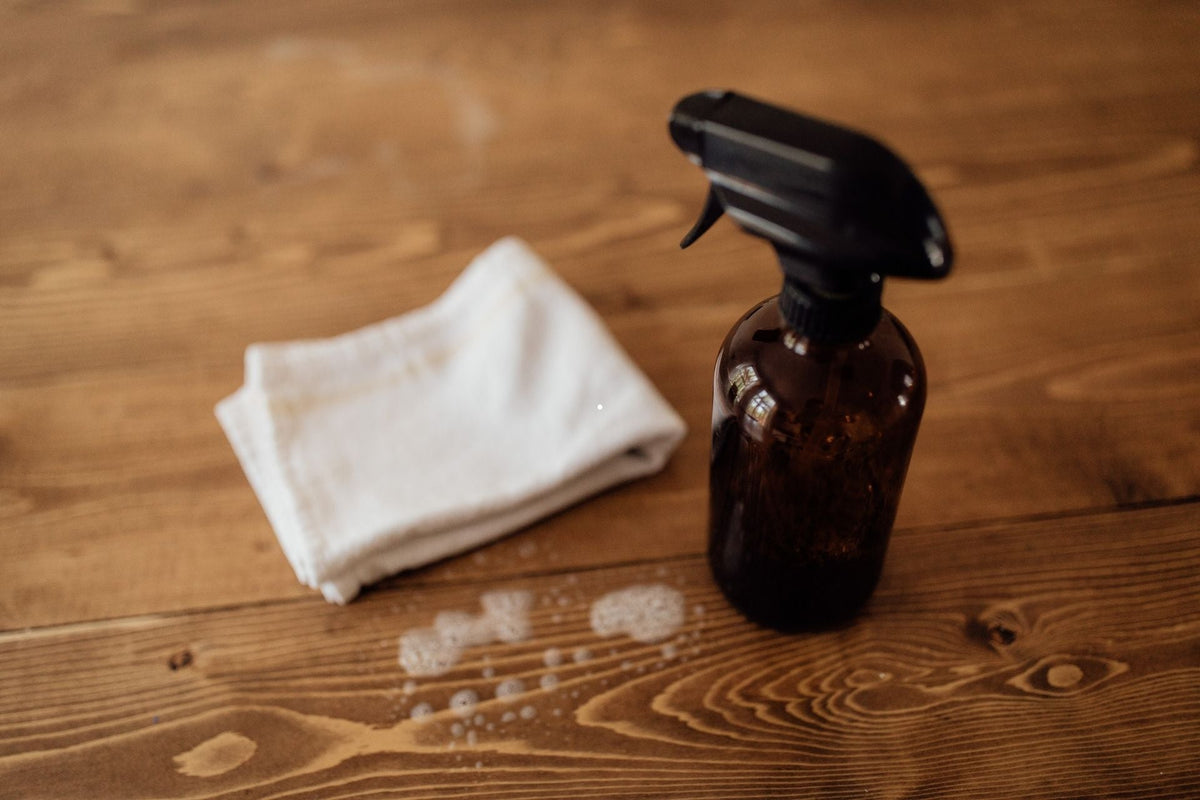
A better path is to look for durability first. Think about tools you can wash, refill, and fix instead of toss. For example, sturdy glass spray bottles feel solid in the hand and can last for years if cared for. High-quality reusable cloths can stand up to many washes. Long-lasting scrubbers and brushes can be refreshed by swapping only a small part, not the whole thing.
Investing in a few well-made, eco-friendly house cleaning products has quiet benefits. It:
-
Frees up cabinet space
-
Cuts the urge to keep buying “one more thing”
-
Makes it easier to keep track of what you actually use
Less clutter often means less stress, especially on hot days when cleaning already feels like enough work.
Water, Air, and Surfaces Still Telling a Dirty Story
Real eco-conscious cleaning is about more than what ends up in the trash can. It cares about the full path of your products: the water they rinse into, the air they leave behind, and the surfaces they coat.
Heavily fragranced cleaners, especially aerosols and strong sprays, can linger in the air. When windows stay mostly shut to keep cool air inside, those smells hang around longer. That can be rough on kids, pets, and anyone with sensitive lungs or skin.
Try a quick self-audit after your next cleaning session:
-
Does the room smell like a perfume counter for hours afterward?
-
Do your eyes, nose, or throat feel scratchy or tight?
-
Do counters feel sticky or filmy even after you wipe?
-
Does your skin itch or dry out after using certain products?
If the answer is yes, that is your home sending a clear message. Switching to a genuinely fragrance-free cleaner helps, and note that an “unscented” label is not the same thing, since unscented products can still hide masking agents. You still get a fresh, clean home without a cloud of heavy scent or residue sticking around.
Upgrade One Habit at a Time for a Greener Summer Home
A fully “perfect” routine is not the goal. What actually works is changing one habit at a time and letting those changes stick. As warm months settle in, choose one small area that feels easy to shift.
You might:
-
Swap your current all-purpose cleaner for a refillable option
-
Replace synthetic sponges with biodegradable ones
-
Phase out single-use wipes and lean on reusable cloths
-
Switch from several separate sprays to one multi-surface refill
Then, build a simple low-waste cleaning kit. Many households find they only need a few core pieces: a reliable multi-surface cleaner, a dish brush, some reusable cloths, and compostable bags for the small amount of trash that remains. The rest is often just noise.
At Plastno, we design and choose sustainable cleaning essentials to make these upgrades feel easy. Our focus on low-waste packaging, simple ingredients, and refill-friendly tools helps turn “almost green” routines into ones that truly respect your home, your air, and the planet, all summer and all year long.
Refresh Your Home With Cleaner Choices Today
Make your routine feel better for your home and the planet with our carefully formulated eco-friendly house cleaning products. At Plastno, we focus on fragrance-free, dye-free formulas that cut through grime without harsh chemicals.
Share:
Plant-Based Sponges, How to Use Them and When to Replace Them
Test Eco-Friendly Cleaners at Home: Soil, Dwell Time, and Tool Pairing