


Tough messes are a normal part of everyday life. From a greasy stovetop to muddy paw prints, they tend to show up without much warning. That doesn’t mean we have to reach for wasteful or plastic-heavy tools every time. There are plenty of eco friendly products for cleaning that handle spills, stains, and grime just as well, without adding more trash to the pile.
Spring is a great season to rethink old routines. It’s a time when many of us naturally want a reset, whether that’s tidying up one room or tackling the whole house. Small swaps can make a big impact here, especially during busy cleaning times. With a few simple choices, we can handle messes of all kinds using less and keeping things healthier for our homes and the planet.
Start with the Messes That Matter Most
The best place to make helpful changes is wherever we clean the most. These are usually spots like the kitchen, bathroom, and floors, the high-traffic places where dirt builds up quickly and often.
Each of these areas has its own kind of mess, but with a little planning, we can clean them up without turning to single-use items. Here are a few shifts that keep things simple while making your routine a bit greener:
- In the kitchen, replace paper towels with strong reusable cloths for spills and crumbs
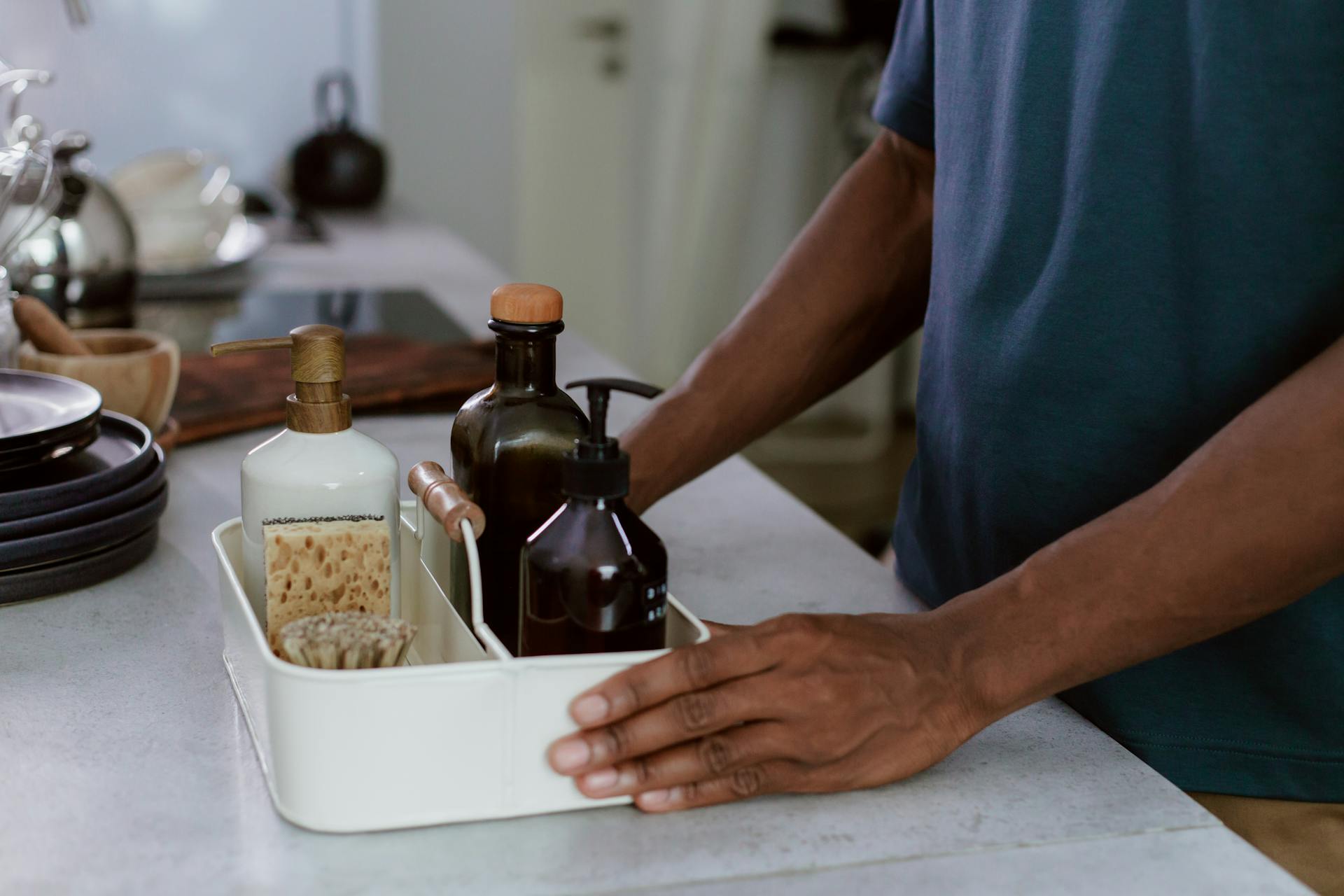
- Use refillable spray bottles for sticky counters, sink splashes, and the stovetop
- Scrub pots and pans with plant-based brushes instead of disposable scouring pads
- In the bathroom, pick eco cloths that stand up to soap buildup around sinks and tubs
Swapping in repeat-use tools really pays off when cleaning these spaces week after week. Instead of tossing several sponges or rolls of paper towels in the trash, we get more cleanups out of each item we use. For example, sponge cloths made from cellulose and organic cotton can absorb up to ten times their weight in water and replace as many as 1,500 paper towels with just one cloth.
Choose Materials That Hold Up to Daily Cleaning
Sometimes people worry that natural cleaning tools will not be strong enough for hard jobs. That is not always true. Many eco-friendly supplies are made from tough plant fibers that stand up to scrubbing, wiping, and even sticky messes.
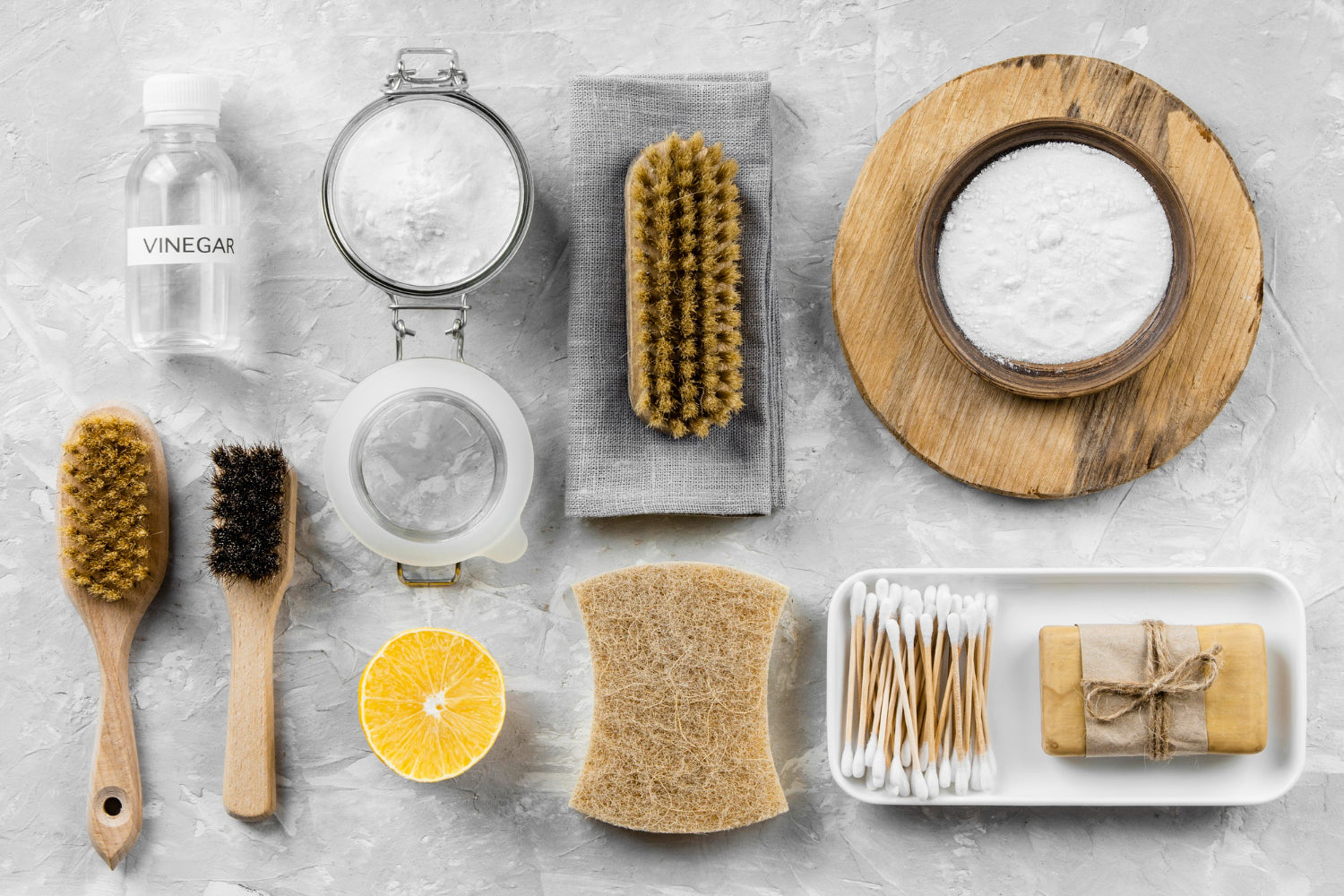
When we clean daily, or even several times a day, durability matters. Look for tools made from materials like coconut husk, loofah, or cellulose. These feel strong in the hand and can handle grease, crumbs, or bathroom buildup just like their plastic-filled counterparts. The NoPlastic Scrub Sponge, for instance, combines a loofah side for scrubbing stuck-on food with a 100 percent FSC certified cellulose side for washing away grime, giving you a durable, plastic-free sponge for everyday dishes and surfaces.
We have also found that using items built for repeat use changes the way we clean. Instead of rushing to finish a task with something we will toss, we are much more likely to clean thoughtfully and even feel better about the process. And that means feeling more in control over time, not stuck in a cycle of waste.
Store and Maintain Your Tools to Make Them Last
It is easy to throw a sponge under the sink or leave a dish brush in the bottom of the mop bucket, but those habits can shorten their lifespan.
To get the most use out of eco cleaning tools, storage matters. A few simple habits can help:
- Always rinse out cloths, brushes, or sponges thoroughly after use
- Let them air dry completely between uses to avoid odors or early wear
- Keep tools rotated, use a few and cycle them instead of wearing out just one
Every time we care for what we clean with, we stretch their use and keep fewer things from ending up in the trash bin. Some items, like loofah sponges or strong cloths, can even be refreshed with a rinse in vinegar water or a gentle washing machine cycle. That is one step closer to a low-waste home, starting with the little things.
Tackle the Greasy, Grimy Jobs the Green Way
Some messes feel a bit more overwhelming. Greasy stove grates. The bottom of the trash can. A bucket from the backyard. These are the kind of moments when old habits might push us toward bleach wipes or plastic scrubbers. But they are not our only options.
Greener cleaning tools and natural cleaners work well in these spots too. You just need to know where to use them. Here is how we approach these tougher tasks:
- Use vinegar-based sprays for breaking down grease spots in the kitchen
- Use tough plant-based brushes or compostable scrubbers for stuck-on gunk
- Keep gently used sponges on hand for final cleanups before composting
- Move aging cloths outside for use on dusty porch steps, gardening gear, or garage shelves
It helps to think of our cleaning tools in stages, fresh ones for high-touch kitchen areas, then reassign them once they start to wear. That way, we use every item to the fullest before moving on. For everyday grease and grime on sealed hard surfaces, plastic-free, unscented multi surface cleaner tablets that are formulated to be diluted with 16 ounces of water can make a full bottle of cleaner that works across most stovetops, countertops, and similar areas.
Do Not Forget Disposal – Plan for Less Waste
Eventually, almost every sponge, cloth, or bottle reaches its limit. But what we do with those used-up tools is just as important as how we use them.
Instead of tossing everything into the garbage, we can choose better end-of-life steps. That might mean:
- Composting plant-based cloths and scrubbers once they fully break down
- Recycling spray bottles if they are made from the right kind of plastic
- Checking if brushes or packaging can be separated for parts or recycling
Planning for disposal early makes cleanup easier later. And we waste less when we understand what goes where. A single composted sponge may not seem like a big deal, but over months and years, that small act adds up.
A Cleaner Routine That’s Better for the Planet
Tough messes are part of everyday life. Our routines do not need to change entirely, but they can shift a little to make space for better habits. With just a few swaps, refill bottles, washable cloths, long-lasting sponges, we begin to notice how easy it is to keep things neat without piling up trash.
Choosing eco friendly products for cleaning is not about doing everything perfectly all the time. It is about thinking ahead, reaching for something better when we can, and giving ourselves credit for the effort. Those small decisions help keep our homes clean, our habits more thoughtful, and our footprints just a bit lighter.
Making the move to greener cleaning can be as easy as choosing tools that hold up, work hard, and create less waste. At Plastno, we are always looking for ways to simplify that process with better options for everyday messes. Whether you are tackling the kitchen, bathroom, or any space in between, switching to thoughtful, reusable tools makes a real difference. Get started by exploring our collection of eco friendly products for cleaning built to last through the toughest jobs and contact us today for assistance in finding the perfect solution for your needs.
Share:
How to Use Plant-Based Sponges Without Wasting Them
Understanding the Best Places to Keep Cleaning Tools at Home