

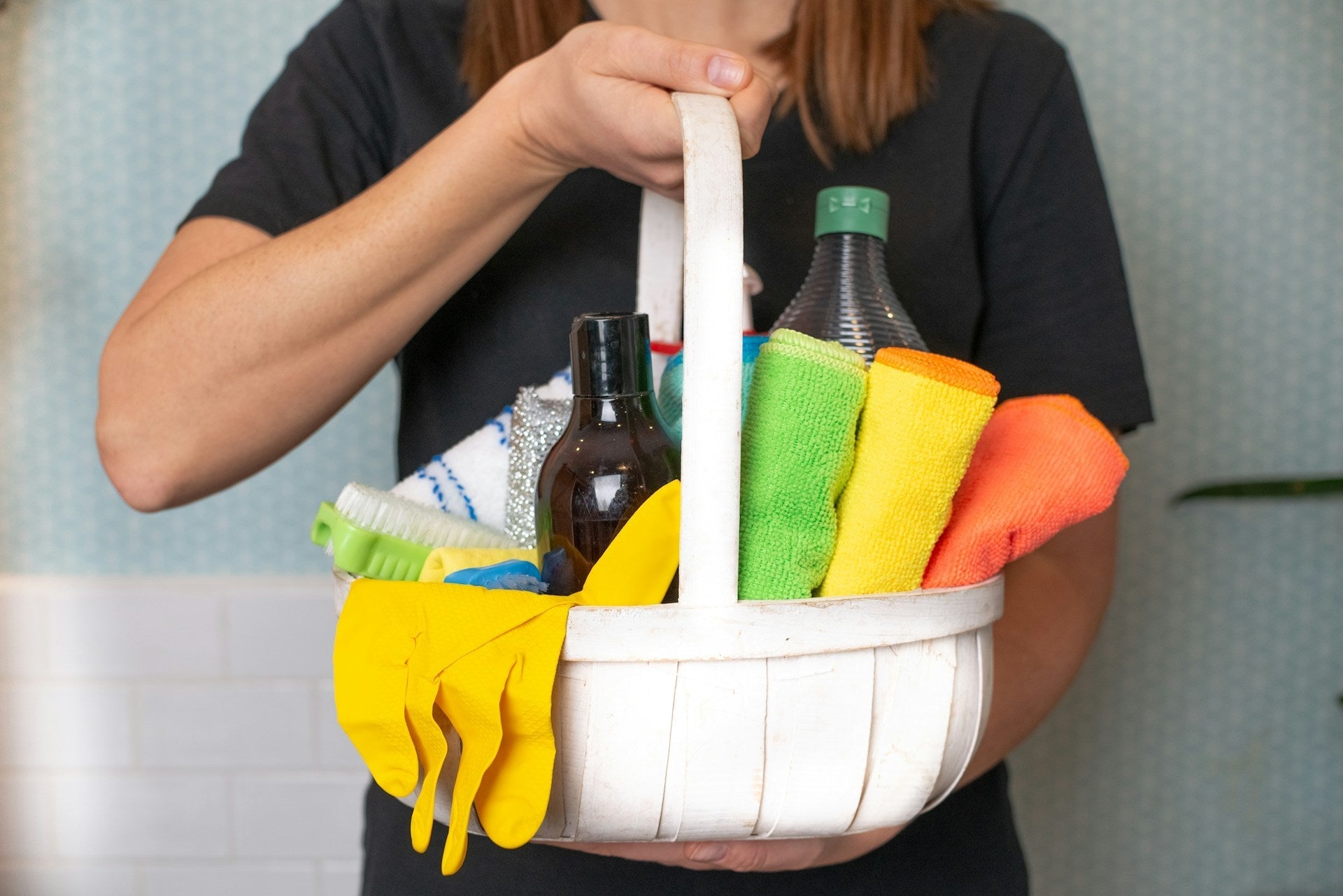
Cleaning tools do a lot for us, but figuring out where to keep them isn’t always top of mind. They end up shoved under the sink, left in laundry baskets, or tossed behind cabinet doors. When tools like a broom, mop, or sponge cloth are stored without thought, it can actually make daily cleaning feel harder than it needs to be.
Taking a little time to set up smart spots for your tools can help them last longer, stay dry, and be right where you need them when a mess strikes. And if you don’t want a bunch of bulky organizers or extra bins cluttering your home, don’t worry. With a few practical habits, you can keep your space tidier and reduce waste in the process.
Where to Keep Everyday Cleaning Tools
The tools you use most often should be stored close to where you'll need them. Think quick access without digging through drawers or boxes.
Here are a few simple ways to keep them handy and in good shape:
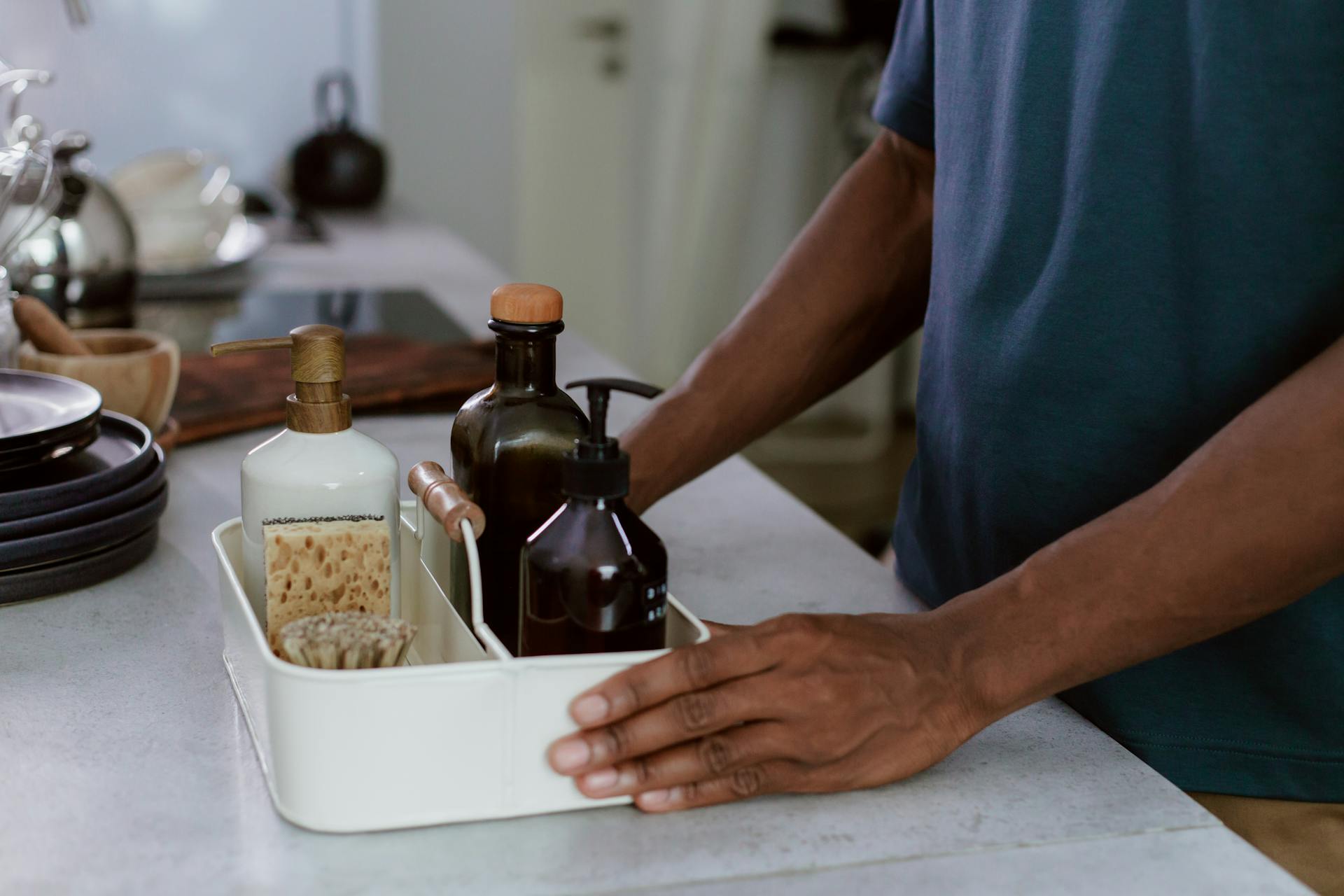
- Place things like your dish brush, sponge cloth, and all-purpose spray under the kitchen sink or near the counter
- Hang a rack or use a drawer organizer to keep smaller cloths and brushes in one place
- Keep them eye-level, not buried in the bottom of a cabinet, so you remember to wash and rotate them
- Let everything dry well between uses by setting up an open-air space with hooks, trays, or a ledge
Leaving a sponge cloth sitting in a wet pile can shorten its life fast. Giving it space to dry helps cut down on smells and lets it keep its shape longer. Plastno sponge cloths are made from cellulose and organic cotton and are ultra-absorbent, so proper drying helps them stay strong through months of wiping and reuse.
Best Places for Tools Used Less Often
Some supplies only get pulled out when you’re doing a big scrub or dealing with a tricky mess. These don't need to be front and center, but they still deserve a smart spot.
For those seasonal or deep cleaning items, try this:
- Store extras like window sprays and spare scrubbers on a shelf in your laundry area or hall closet
- Group them in baskets or bins labeled by type, so you know what’s where when it’s time to clean
- Keep them away from heat vents, sunlight, or leaky pipes to make natural materials last longer
Even biodegradable supplies need protection. If your cleaning cloths or brushes are made with natural fibers, keeping them in a cool, dry spot keeps them from wearing out too soon.
Making Space in Small Homes
When you don’t have much room, storing cleaning tools can feel like its own chore. But limited space doesn’t mean clutter is your only option.
Try turning unused spots into helpful storage:
- Use the backs of cabinet or closet doors to hang small racks or baskets
- Turn corners into storage nooks with stick-on hooks or lightweight trays
- Lay a damp sponge cloth flat on a windowsill or across your faucet to dry if counter space is tight
This gives everything a place without needing to add bulky organizers. When you get into a rhythm with how things are stored, cleaning gets faster, and you waste fewer supplies while you’re at it.
Keeping Things Clean Between Uses
One of the easiest ways to make your tools last is to keep them clean whenever you’re done using them. It only takes a minute, but it makes a big difference.
Here’s what works well for low-waste, everyday tools:
- Rinse out sponges, brushes, and cloths after each use to get rid of residue
- Let them dry completely without stacking them or tossing them in a drawer
- Check your storage spots weekly for spills, crumbs, or anything moldy, and wipe them down before storing tools again
You might be surprised at how quickly dirt builds up in a drawer or tray where you keep your cloths. A quick clean keeps your eco-friendly tools from picking up grime and keeps your space fresher too. For a deeper clean, Plastno sponge cloths can be sanitized in the washing machine or on the top rack of the dishwasher so they are ready to go again.
Making Cleaning Tools Last Longer With Better Storage
Good storage isn’t just for looks. When your tools are cared for between uses and given breathing room, they hold up better and stay effective longer. That means less replacing and less tossing out early.
Here are habits that support both sustainability and ease:
- Pick a clear, dry spot for everything, and group by task or area of use
- Let tools air-dry after use, and don’t stack them wet
- Only wash natural tools when they need it, so the materials don’t wear out faster
These small habits help reduce waste, protect tools made from natural ingredients, and always keep the chores from feeling harder than they are. When cleaning fits into your space and your routine, it feels lighter on both your schedule and the planet. One well-cared-for Plastno sponge cloth can absorb 10 times its weight in water and replace up to 17 rolls of paper towels, so thoughtful storage and care can noticeably cut down on single-use waste.
At Plastno, we believe smart storage habits start with the right tools that fit into your space and your routines. Whether you're drying cloths on the windowsill or organizing your under-sink shelf, having a reliable, low-waste option like a sponge cloth nearby makes everyday cleaning a little simpler. Tools that dry quickly and last longer are easier on your home and gentler on the planet. Reach out to us if you have any questions.

Share:
Tips to Switch to Eco-Friendly Products for Tough Messes
Guide to a Spring Cleaning Plan That Actually Cuts Waste