

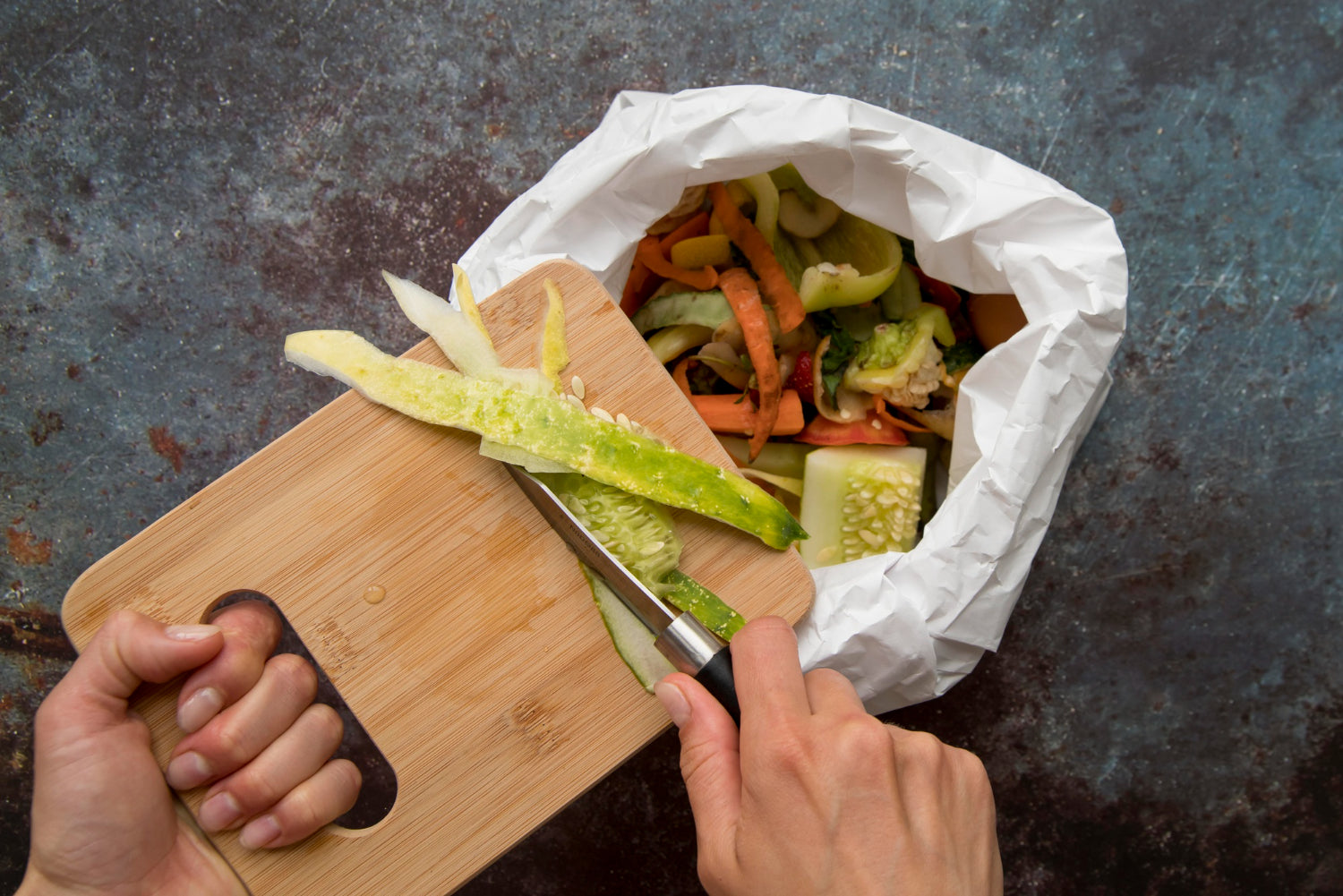
Switching to biodegradable garbage bags is one of the easiest ways to make your home more eco-friendly. Regular plastic bags take hundreds of years to break down. Compostable bags are made to break down in composting conditions instead, whether that is a backyard pile or a municipal facility. It is worth being clear that this does not happen in a landfill, where the lack of oxygen means very little breaks down at all, so the benefit depends on the bag actually reaching compost. Make that one change and you cut down on the plastic waste that lingers in the environment for generations.
Why switch to biodegradable garbage bags
Traditional plastic bags can take centuries to decompose, which means long-term pollution and real harm to wildlife. Bags made from plant starches like cornstarch or potato starch are designed to break down in an active composting environment, where heat, oxygen, and microbes do the work. That environment is a home compost setup or an industrial facility, not a landfill, so where the bag ends up matters as much as what it is made of.
The switch also supports a more circular way of living, where materials return to the soil instead of piling up. Plastno's compostable bags are certified to break down in a home compost setting, so you get the everyday convenience of a trash bag without the centuries-long afterlife.
Durability is the usual worry, and it is a fair one. Good compostable bags come in a range of sizes and strengths for kitchen waste, food scraps, and general household trash, and they hold up fine for normal use. The trick is matching the bag to the job, which the steps below walk through.
How to switch to biodegradable garbage bags
Making the change is easier than most people expect. Here is a simple way to do it without feeling like you have to overhaul everything at once:
- Evaluate your needs. Note the sizes and types of bags you use most, so you can find compostable versions that actually fit your bins.
- Start small. Replace one bag first, usually the kitchen trash bag. Getting used to one swap is far easier than changing everything in a day.
- Get everyone on board. Make sure the household knows why you switched and how the new bags work, so the habit sticks.
- Buy a size that fits. Look for a certified compostable bag sized for your can. Certifications like BPI, TUV OK Compost, ASTM D6400, or EN 13432 mean the bag has been tested against a real standard, not just labeled.
- Set up composting if you can. A compost bin, even a small countertop one, is where these bags do their best work. It makes food scraps and yard waste easy to deal with.
Tips for using them well
Compostable bags behave a little differently from plastic, so a few habits go a long way:
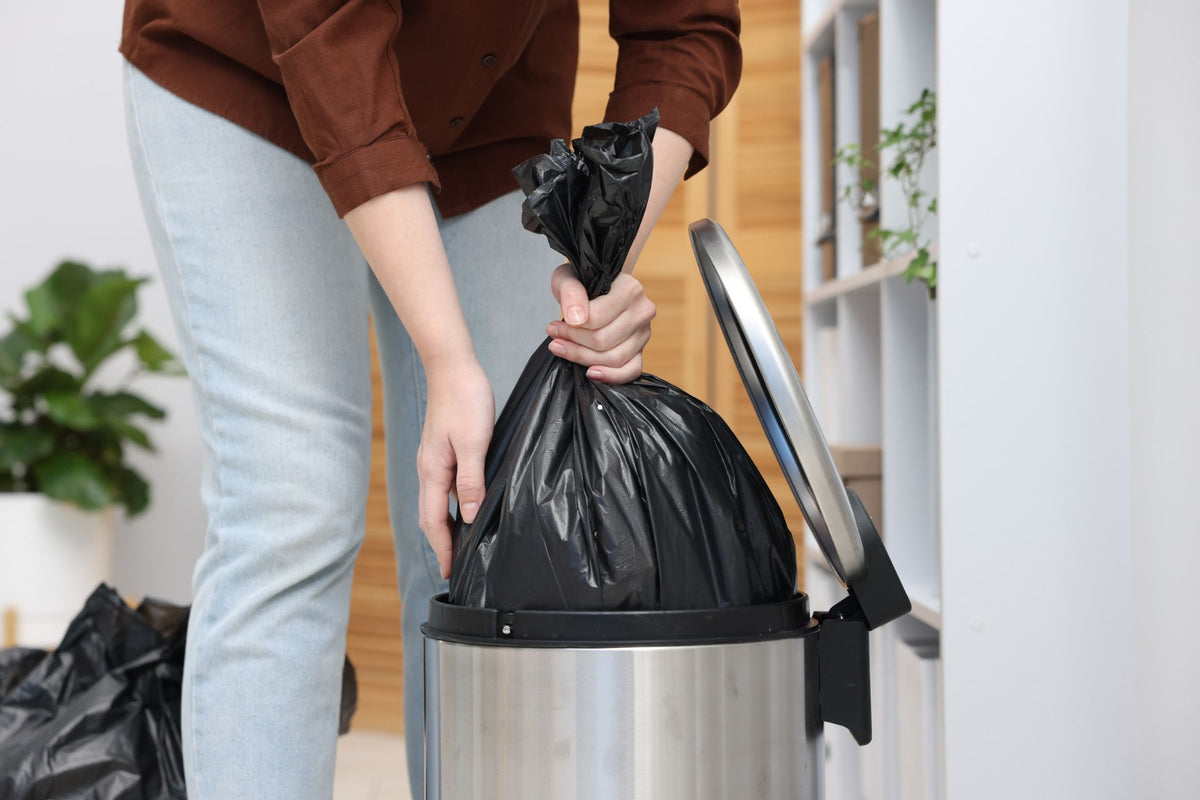
- Do not overfill. They can be less stretchy than plastic, so leave room and double up for heavy loads.
- Keep them dry until use. Moisture starts the breakdown clock. Store the roll somewhere dry and avoid loading them with very wet waste too far ahead of collection.
- Use them for organic waste. Food scraps and yard clippings are the ideal contents, especially if you compost.
- Do not stockpile for years. These bags start to break down over time by design, so use them within a few months rather than buying a decade's supply.
Make sure the switch actually pays off
Here is the honest part most brands skip. The word "biodegradable" on its own is not a tested standard, so some bags labeled that way break down slowly or leave plastic fragments behind. The way to avoid that is to look for a compostable certification, which is the tested version of the same promise. For a deeper breakdown of the terms, see our guide on biodegradable vs. compostable, and if you want to check a bag you already own, here is how to tell if your garbage bags are actually compostable.
Plastno bags carry two of those certifications: BPI, for industrial composting facilities, and TUV OK Compost HOME, for backyard compost. That is why we describe them as certified compostable rather than only biodegradable. It is the difference between a bag that is tested to return to the soil and a bag that just says it will.
Frequently asked questions
Are biodegradable garbage bags strong enough for everyday trash?
Yes, for normal household use. They are usually a little less stretchy than plastic, so the main rule is not to overfill them and to double up for heavy or sharp loads. Matching the bag size to your bin solves most tearing complaints.
Do I need a compost bin to use them?
No, but it helps. The bags deliver their full benefit when they reach an active compost setting rather than a landfill, so pairing them with home or municipal composting is ideal. Even without a bin, you are still cutting the conventional plastic out of your trash routine.
Do biodegradable garbage bags cost more?
They usually cost a bit more per bag than conventional plastic, though the gap has narrowed. Buying a size that fits your bin and using them for the right waste keeps you from wasting bags, which takes most of the sting out of the price.
Conclusion
Switching to biodegradable garbage bags is a small change with a real payoff. You cut down on plastic that would otherwise stick around for centuries, and if the bags reach compost, they return to the soil instead. Start with one bin, pick a certified compostable bag that fits, and build from there. When you are ready, Plastno's compostable trash bags are made to fit a standard kitchen can and to break down in a real compost setting, so the switch is as easy as changing a roll.

Share:
How to Clean a Bathroom in the Right Order
Cleaning Supplies List: The 6 Things You Actually Need