

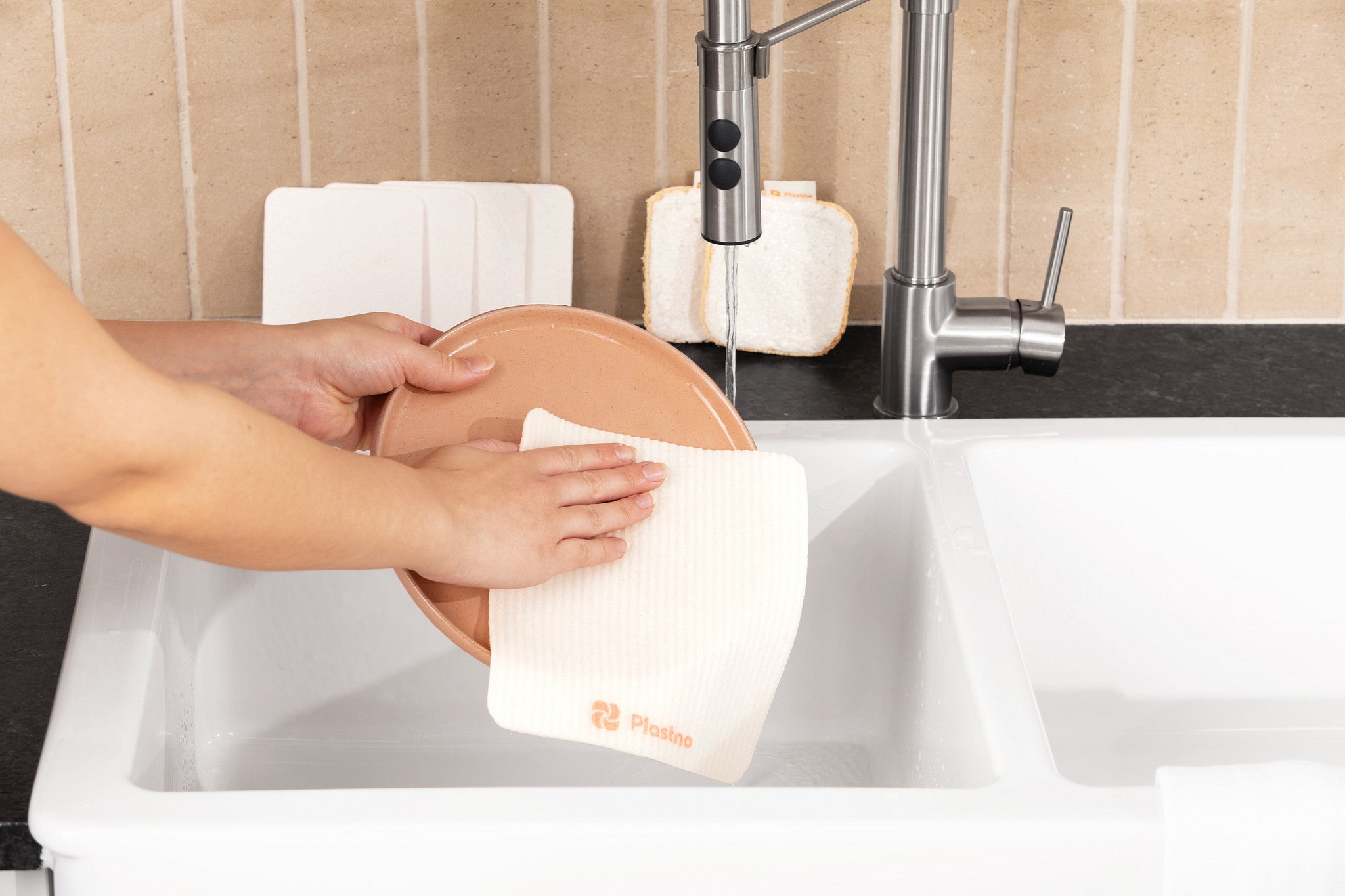
Ever wonder what makes your cleaning sponges both effective and environmentally friendly? Understanding the ingredients that make up these everyday cleaning heroes can give you greater confidence in your choices. Sponges are more than just cleaning tools; they are crafted from natural materials designed to be gentle on both your home and the planet.
At the heart of providing efficient cleaning and environmental care are three main components: loofah, cellulose, and cotton. These materials come together to create products that are powerful against grime yet responsible in their composition. Let's delve into these natural ingredients to explore how they each play a pivotal role in the quality and effectiveness of your sponge products.
Loofah: The Natural Scrubber
Loofah sponges are known for their remarkable scrubbing abilities, making them perfect for tackling tough kitchen tasks. This textured material originates from the dried fibers of the loofah plant, which is part of the cucumber family. What sets loofahs apart is their unique structure, allowing them to scrub away dirt while being gentle on surfaces. They're great for removing food residue or scrubbing down counters without scratching.
Imagine a loofah in your kitchen arsenal; it's akin to having a natural scrub brush at your fingertips. This plant-based wonder is ideal for those who want a robust cleaning tool without the harshness some synthetic materials may cause. Using loofah not only ensures efficient dirt removal but also supports a more sustainable lifestyle, as it’s biodegradable and reduces reliance on plastic counterparts. Our plastic-free dish sponge puts that loofah to work on dishes and counters.
Cellulose: Eco-Friendly Absorbency
Cellulose is another standout ingredient found in many eco-friendly sponges. It is derived from wood pulp, providing excellent absorbent properties that make cleaning spills and messes a breeze. This material allows the sponge to soak up water efficiently, making everyday cleaning tasks quicker and easier. The natural origin of cellulose means that, like loofah, it breaks down naturally, so you can feel good about its impact after you’ve finished using it.
Think of cellulose as your sponge's way of being a thirst-quenching ally for any mess that occurs. It seamlessly absorbs liquids, allowing you to wipe up spills without leaving a trace. This material forms the base of many sponges, and it's why they stand out in absorbing liquids efficiently. Choosing products with cellulose means opting for performance that respects the environment simultaneously. Enjoy clean spaces while staying committed to a planet-friendly choice. Our biodegradable cellulose sponge is built around exactly this material.
Cotton: Softness and Durability
Cotton, as a material, is well-loved for its blend of softness and strength, which makes it an excellent component in many cleaning products. This natural fiber is smooth and gentle, making it perfect for tasks that involve delicate surfaces that need care without the risk of scratches. Cotton's durability ensures that sponges last through multiple cleanups without significant wear, maintaining their efficacy over time.
Think of cotton as the comforting yet tough element in your sponge lineup, providing a reliable texture that’s soft on hands and surfaces alike. This material is breathable and dries quickly, helping keep your cleaning tools fresh and free from unwanted odors , a common concern in many households. Opting for sponges with cotton guarantees that both you and your home benefit from a practical and cozy cleaning experience.
Combining Ingredients for Optimal Cleaning
When combined, loofah, cellulose, and cotton create a well-rounded cleaning tool that tackles numerous household tasks with ease. Each ingredient plays its part:
- Loofah handles rougher scrubbing needs, effectively loosening dirt and stubborn stains.
- Cellulose provides high absorbency, perfect for quickly sopping up spills on various surfaces.
- Cotton offers gentleness, suitable for polishing and wiping delicate areas.
These natural materials work together harmoniously to maximize cleaning efficiency while minimizing environmental impact. By relying on biodegradable components, these sponges ensure that what cleans your home is as kind to nature as it is effective.
The Importance Of Ingredient Choices
Understanding these ingredient choices makes a significant difference in how you approach your home cleaning routine. Selecting sponges composed of loofah, cellulose, and cotton enables you to maintain a clean home while contributing to environmental responsibility. This harmony between functionality and sustainability is what sets these sponges apart.
By choosing sponges with these natural components, you support greener practices, helping reduce waste and reliance on non-renewable materials. Whether you're tackling everyday kitchen spills or giving your home a thorough scrub, knowing the ingredients in your sponge equips you with the confidence that your choice is making a positive impact. These eco-friendly options not only cater to your cleaning needs but also align with a commitment to preserving the environment for future generations.
If the label is what sold you, the Scrub Sponge puts the loofah to work on stuck-on food and the Soak Sponge is all cellulose for everyday dishes. The Kitchen Sponge Set pairs both, so the whole sink is covered with nothing synthetic.
Share:
What's Inside Plastno Cleaning Tablets, Every Ingredient Explained
Making Your Reusable Cleaning Products Last Through Summer