

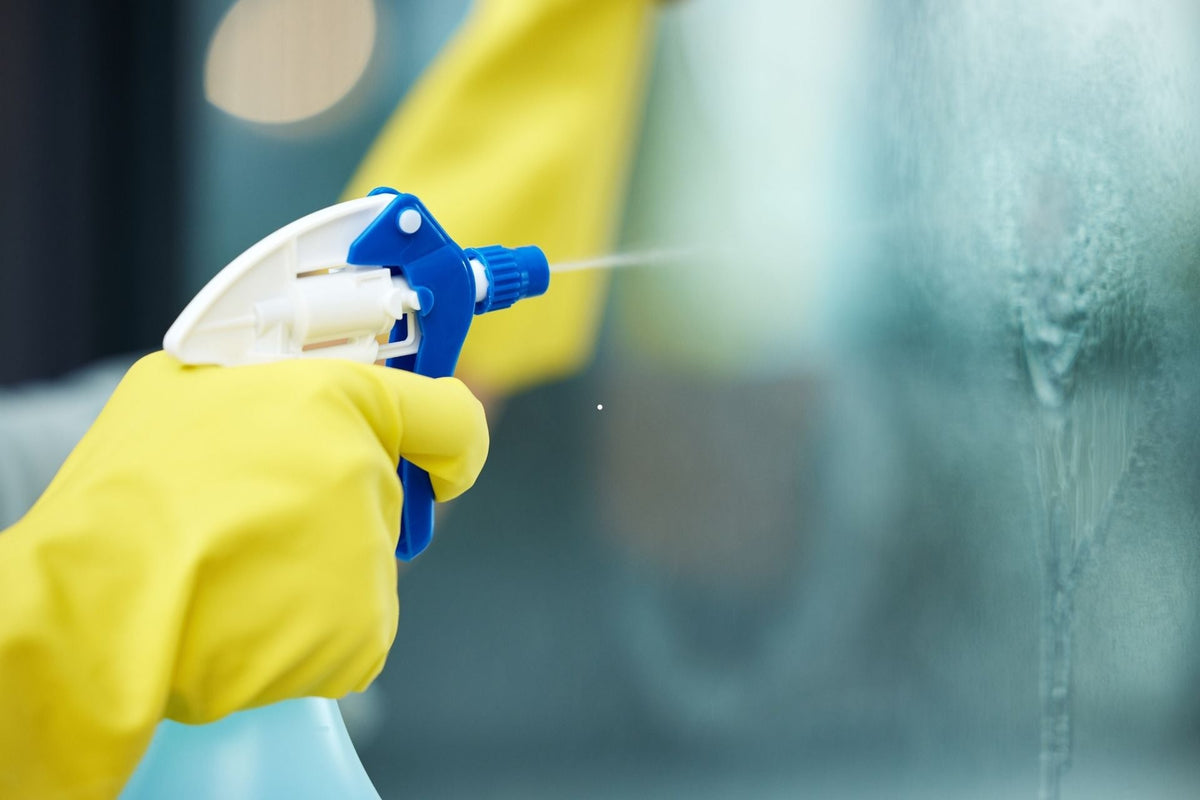
Walk down the cleaning aisle and you will see the same spray called three different things. Multi-purpose, all-purpose, multi-surface. The labels get used interchangeably, and for most everyday cleaning they overlap enough that it does not matter. But there are real differences in how concentrated they are and what they are safe on, and knowing them saves you from ruining a countertop or buying five bottles when one would do.
Here is the plain-language version of what each term means, what a good one can and cannot clean, and how to use it without wasting product or damaging a surface.
The short answer
An all-purpose cleaner is a ready-to-use spray for light, everyday messes on sealed household surfaces, counters, appliance fronts, painted walls. A multi-purpose cleaner is usually the same idea but a little more concentrated, and often sold as something you dilute, so it stretches further and handles greasier jobs. Multi-surface is a marketing label that means the same thing as all-purpose, safe on a range of surfaces rather than built for one.
In practice, all three are the one bottle you reach for most days. The differences below are what tell you which one to buy and where not to spray it.
Multi-purpose vs all-purpose vs multi-surface
Here is how the three terms actually shake out. No standards body enforces these words, so one brand's multi-purpose can be another brand's all-purpose. Read the surface list, not the name on the front.
| Term | What it usually means | Best for |
|---|---|---|
| All-purpose cleaner | Ready to use, mild, everyday | Counters, tables, appliance fronts, quick wipe-downs |
| Multi-purpose cleaner | Often concentrated or dilutable, a bit stronger | Greasier messes, bigger jobs, stretching one bottle further |
| Multi-surface cleaner | A marketing name for the same thing | Same as all-purpose, safe on many surfaces |
What a multi-purpose cleaner can and cannot clean
The word says everything. The label rarely does. A good one handles most sealed, water-safe surfaces, and there are a few it should stay away from.
- Usually fine: sealed countertops, stovetops, appliance exteriors, painted and finished surfaces, tile, sealed wood.
- Check first: natural stone like marble and granite, which acidic formulas can etch, and anything unsealed or porous.
- Usually not: glass and mirrors, which streak unless the cleaner is made for them, and delicate finishes that scratch.
This is why multi-purpose is never truly every purpose. A brand that names the surfaces it is rated for is being more useful than one that says it works on everything. We made that case in full in our guide to telling which cleaner claims are real.
How to use one so it actually works
Most people under-use the two things that make a cleaner work, dwell time and the right cloth.
- Spray and wait. Give it 30 seconds to a minute to break down grease before you wipe. Wiping right away just moves the mess around.
- Dilute if it says to. A concentrate used straight wastes product and can leave residue. Follow the ratio on the label.
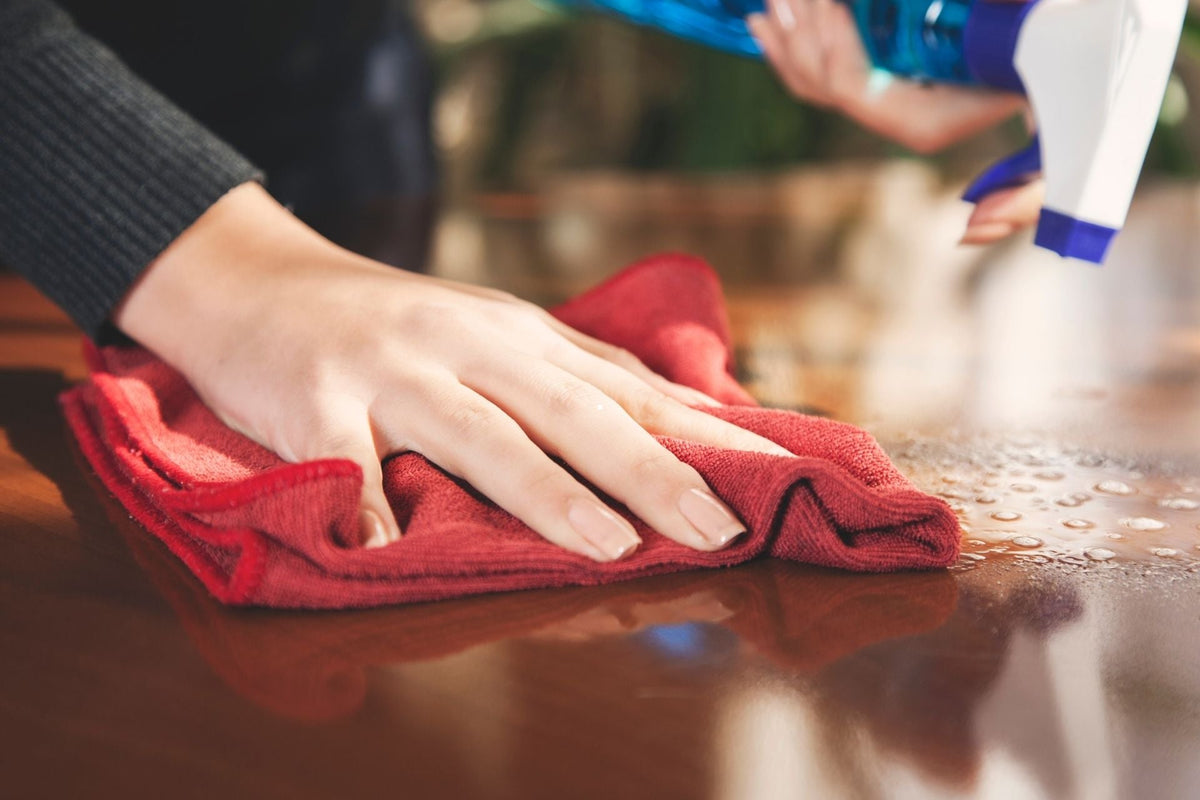
- Wipe with a reusable cloth, not a paper towel that shreds. A microfiber or cellulose cloth lifts more and makes less waste.
- Spray the cloth, not the screen, near electronics and control panels, so liquid does not run where it should not.
What a good one looks like on the label
Since the name on the front is not regulated, the ingredient list is where you judge a cleaner. A few things worth looking for.
- A full ingredient list you can actually find. If it is published, that is a good sign. If fragrance hides a blend you cannot see, that is the line to question.
- Fragrance-free if anyone in the house is sensitive. Added scent is the most common irritant in this category.
- No isothiazolinone preservatives, listed as methylisothiazolinone or MIT, a common allergen that turns up in a lot of natural sprays.
- A cleaner that is honest about what it does not do. If it is not EPA registered, it cleans rather than disinfects, and it should say so.
How our tablet fits, the low-waste version
Our take on a multi-purpose cleaner is the Multi Cleaner Tablet. Drop one in a bottle of tap water and it makes 16 oz of all-purpose cleaner, so you are not buying a new plastic bottle every time you run out. It is mineral-based, fragrance-free, and dye-free, with all eight ingredients published on the ingredients page.
It is rated for sealed countertops, stovetops, sealed wood, and sealed stone including marble, granite, and quartz. It is not made for glass, mirrors, or stainless steel, and like any cleaner that is not EPA registered, it cleans rather than disinfects. The tablets are Leaping Bunny certified cruelty-free. If you want the bottle too, the Multi Cleaner Set pairs a refillable glass bottle with the tablets to start.
Whichever brand you choose, the useful shift is the same. One well-made multi-purpose cleaner replaces a shelf of single-job sprays, and reading the label beats trusting the word on the front. If you would rather make your own, we also wrote up the homemade all-purpose cleaner recipes worth trying.

Share:
How to Clean a Spray Bottle and Keep It Working
Plastic-Free Kitchen Swaps That Actually Last