

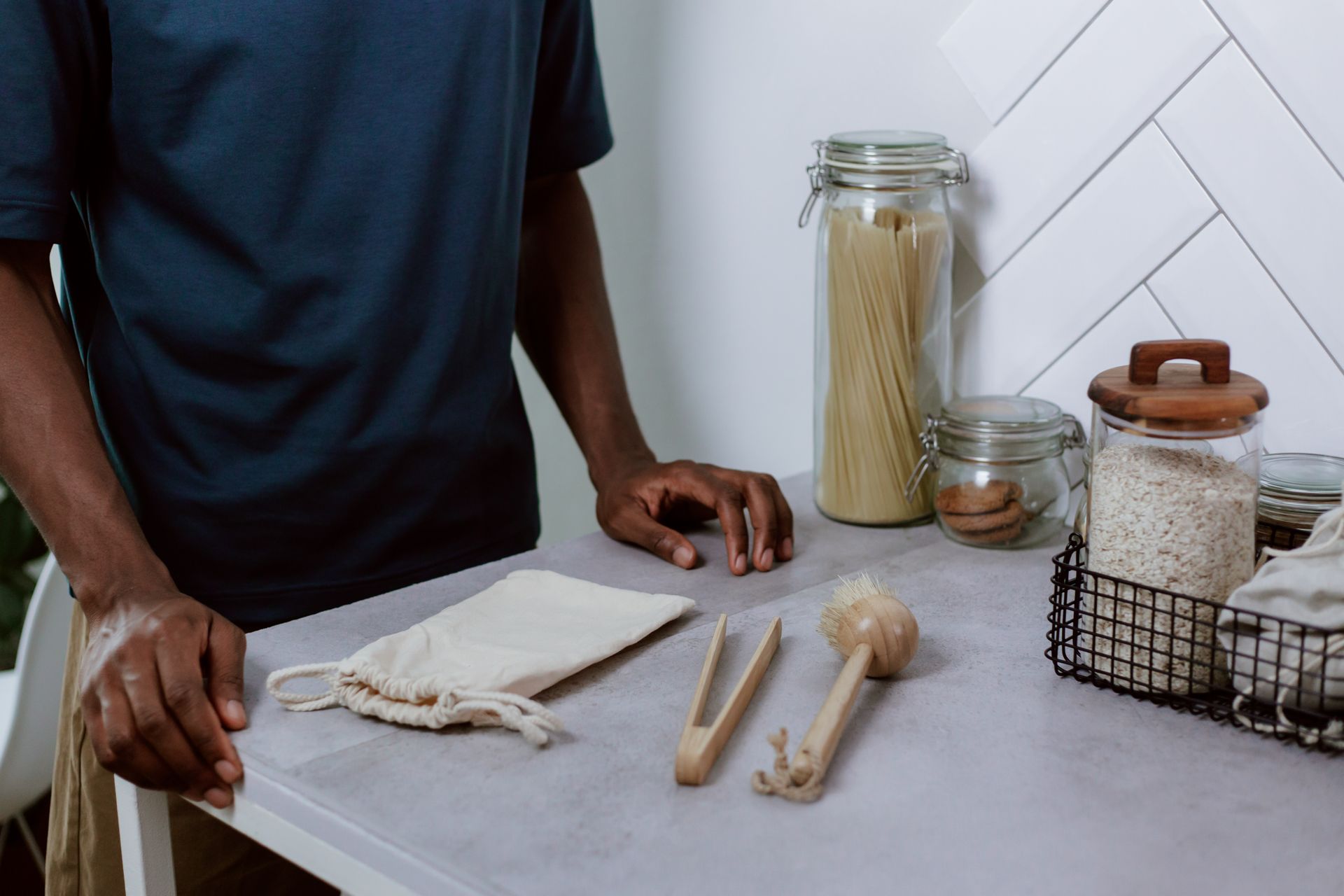
Creating a plastic-free kitchen can feel intimidating at first. The reality is that most kitchens are full of plastic, from bottles under the sink to bags in the trash can and wraps in the pantry. The good news is that you do not need to overhaul everything overnight. A simple, step-by-step plan focused on plastic-free cleaning is the easiest way to reduce plastic in your kitchen and actually stick with it.
In this guide, we will walk through the most common kitchen plastic sources and show you a realistic swap order that works in real homes. We will begin with the smallest, easiest changes, then build toward bigger ones so you can find a pace that feels sustainable. At Plastno, we focus on plastic-free cleaning products that fit modern routines, and this is the same approach we use when we rethink our own kitchens.
Rethink Your Kitchen as a Low-Plastic Zone
The kitchen is usually the most plastic-heavy room in the house. Cleaning sprays in single-use bottles, synthetic sponges, plastic trash bags, rolls of paper towels wrapped in plastic, and stacks of plastic containers quietly add up. When you stand at the sink or open the cabinet under it, most of what you see is plastic.
Instead of trying to swap every item at once, we recommend starting with plastic-free cleaning, since you touch these products daily. Cleaning habits are already in place, so switching the tools can have a big impact without a big lifestyle overhaul. Plastic-free cleaning products give you quick wins, and those wins make it easier to keep going.
Our recommended order is simple and practical. Start with sponges, then move to trash bags, then refillable sprays and cleaning tablets, and finally paper towels and storage updates. Each step builds confidence. It is not all-or-nothing, and you do not need a perfect zero waste kitchen. Small, consistent swaps will cut more plastic over time than one big burst of effort that is hard to maintain.
Start with Sponges for the Easiest First Swap
Most traditional kitchen sponges are made from plastic foam. Each time you scrub dishes or wipe a counter, that foam can shed tiny pieces that wash down the drain or end up in the trash as microplastics. Since sponges are used constantly and replaced often, they are a quiet but steady source of plastic waste.
Switching to a compostable scrub sponge is one of the easiest ways to start a plastic-free kitchen. You keep your same routine, you just change what is in your hand. A biodegradable scrub sponge made from plant-based materials can handle everyday dishwashing, pan scrubbing, and surface cleaning without leaving plastic behind.
To get the most from a biodegradable sponge, treat it like a tool you care about instead of something disposable. Rinse it well after use, wring out extra water, and store it where it can dry between uses. Many people find that rotating between two sponges helps each one dry fully and last longer.
When it finally wears out, a compostable sponge can go into a home compost system or a municipal compost bin if local rules allow it. If composting is not an option where you live, it will still break down more naturally than plastic foam. At Plastno, we focus on options like our Scrub Sponge and Sponge Towel that are designed for everyday use while keeping your plastic footprint lower.
Swap Your Trash Bags Without Trashing Your Routine
Traditional plastic trash bags are another big source of plastic in most kitchens. It is easy to forget how many you use, especially in a busy household. Every time the bin fills up, another plastic bag goes out the door.
Compostable and biodegradable bags are designed to behave differently from regular plastic bags. Instead of sticking around for an unknown amount of time, they are made from materials that break down under the right conditions. Once you are comfortable with your new sponges, trash bags are a natural next step.
There are a few tradeoffs to know before you switch. Compostable bags:
- Have a shelf life, so it helps to buy what you will use in a reasonable time
- Can be more sensitive to moisture, especially with very wet food scraps
- Do best when you do not overload them with sharp or heavy objects
- Work better when the size matches your bin, so the bag is supported
For kitchen trash, choose a bag designed for your main bin, then adjust your routine slightly by taking the trash out a bit more often. For food scraps, a smaller compostable bag in a countertop or under-sink bin can keep things tidy until you empty it. Bathroom trash liners can usually move to smaller compostable bags too. At Plastno, our bag collection is built around these everyday uses so you can keep the same habits while reducing plastic.
Upgrade to Refillable Sprays and Tablets You Actually Use
Conventional cleaning sprays are typically sold in single-use plastic bottles that are mostly water. You finish the product, toss the bottle, then buy another one that looks just like it. Over time, that pattern creates a steady flow of plastic through your kitchen.
Refillable cleaning concentrates and tablets flip that pattern. Plastno's multi-surface cleaning tablets dissolve in a reusable bottle for a plastic-free spray. Instead of buying a full plastic bottle every time, you buy a small concentrate or tablet, then mix it with water at home in a durable bottle. You pay for the part that does the cleaning and reuse the container again and again.
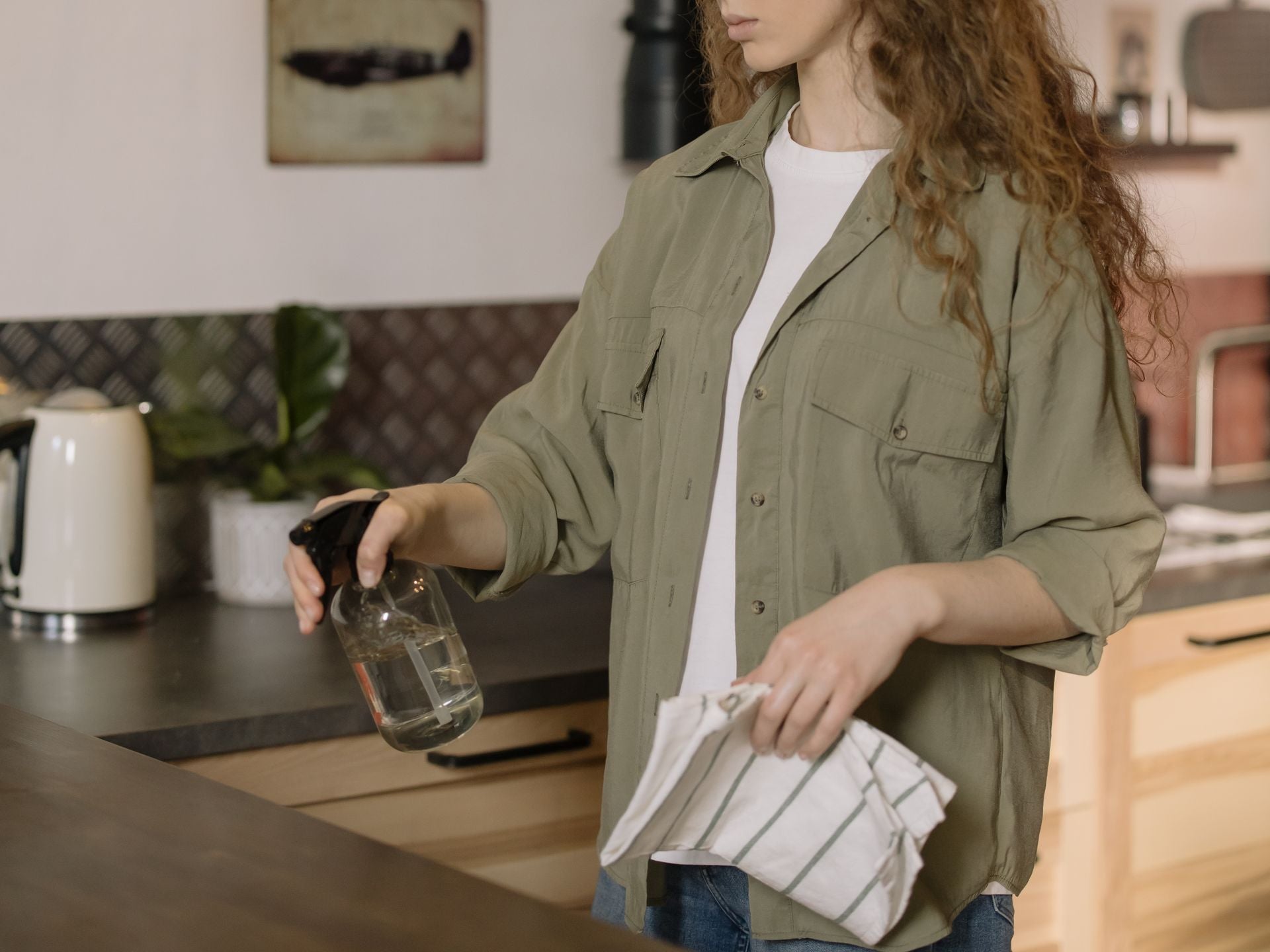
Many people like to pair cleaning tablets with glass spray bottles for a modern, low-plastic setup. It is worth being honest about the details, though. Even glass spray bottles usually have plastic nozzles and small plastic parts in the trigger. The difference is that you keep using that same nozzle and bottle instead of throwing away full plastic bottles regularly.
To make this swap easy, start with one cleaner you use constantly, such as an all-purpose surface spray. Label your bottle clearly, mix according to the instructions, and store it somewhere you already reach for cleaners. Over time, you can add more refillable sprays for glass, bathrooms, or appliances. Our cleaners and tools collections at Plastno are put together with this refillable approach in mind, including reusable spray bottles that fit a modern kitchen.
Rethink Paper Towels and Food Storage Step by Step
Once cleaners, sponges, and trash bags feel like second nature, it is time to look at paper towels and food storage. Even with better cleaning products, these items can bring a lot of plastic into your kitchen, from the wrap on paper towel packs to rolls of plastic wrap and stacks of disposable containers.
Reusable sponge towels and cloths can replace a large share of paper towel use. They are especially handy for:
- Wiping counters and tables
- Drying hands and dishes
- Soaking up spills and splashes
- Lining produce drawers and bread baskets
Most people still prefer to keep a small roll of paper towels on hand for messes they do not want to wash, and that is completely fine. The goal is not perfection, it is to cut down on daily use where a reusable alternative works just as well. Our Sponge Towel is designed to bridge that gap, giving you the feel of a towel with the absorbency of a sponge.
For food storage, try phasing in changes as older plastic containers wear out instead of throwing everything away at once. You might start by:
- Choosing glass containers for leftovers when you need to replace a cracked plastic one
- Adding a set of silicone lids that stretch over bowls and plates
- Trying beeswax or plant-based wraps for cut produce or sandwiches
By making these swaps gradually, your cabinets naturally shift toward lower-plastic options without a big upfront cost. Our tools collection at Plastno focuses on reusable items that fit smoothly into this phase-by-phase upgrade.
Build Your Plastic-Free Cleaning Routine One Swap at a Time
When you step back, the path to a lower-plastic kitchen looks simple. Start with sponges, then move to trash bags, then refillable sprays and tablets, and finally paper towels and storage tweaks. Each step is manageable on its own, and together they noticeably reduce plastic in your kitchen.
Choose one swap this week and connect it to something you already do, like washing dishes after dinner or taking the trash out on a certain day. Give yourself room to learn and adjust. Plastic-free cleaning is not about being perfect. It is about choosing tools that match your values and using them in a way that works for your home. When you are ready for more ideas, Plastno’s full collection brings these swaps together so you can build a routine that fits your space, budget, and lifestyle.
Make Your Home Healthier With Simple Plastic-Free Swaps
If you are ready to cut down on waste and chemicals at home, explore our curated collection of plastic-free cleaning products designed to fit into your everyday routine. At Plastno, we focus on ingredients and packaging that are kinder to your home and the environment without sacrificing performance.
Share:
Biodegradable vs. Compostable: What Shoppers Need to Know
Cleaning Subscription Emissions: Refills vs. In-Store Concentrates + Calculator