

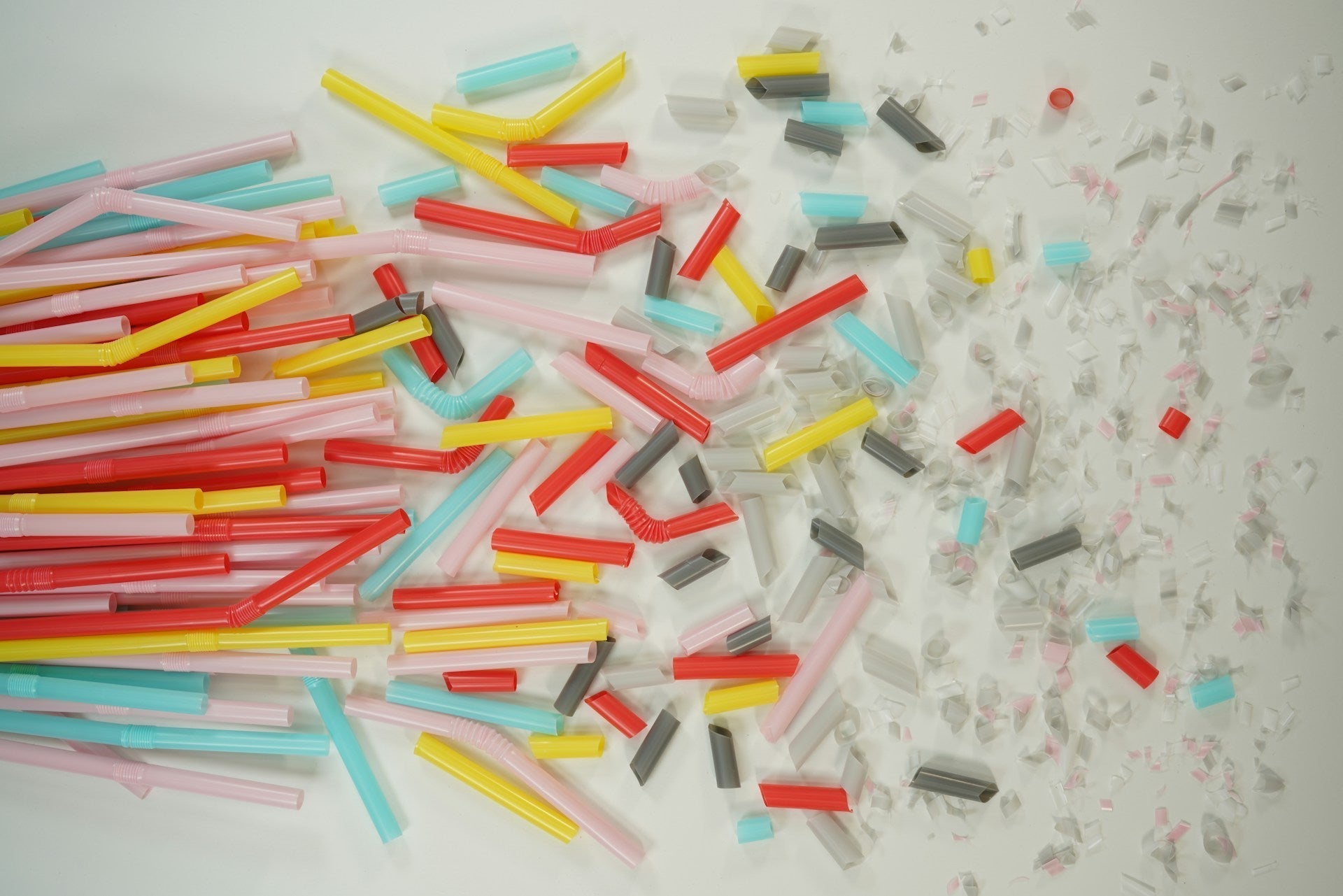
Short answer: no, not the way plastic does. Longer answer: silicone is not the non-issue it gets sold as either, and the difference matters most in the places people usually put it.
This question gets asked a dozen different ways, and the honest answer needs more than a yes or a no.
What silicone actually is
Plastic is built on a carbon backbone. Polyethylene, polypropylene, PET, nylon, polyurethane: all long chains of carbon atoms with things hanging off them.
Silicone is built on a silicon and oxygen backbone instead. That single structural difference is why it behaves so differently. It does not go brittle in sunlight, it does not soften and deform at oven temperatures, and it does not flake the way an old plastic container does.
So when someone says silicone is "just another plastic," that is not accurate. It is a synthetic polymer, but it is not a plastic, and it does not shed microplastics as that term is normally defined.
Does silicone shed or leach anything
Not microplastics. But cured silicone can release small amounts of what the industry calls siloxanes, low molecular weight fragments left over from manufacturing that were never fully cured into the polymer.
The amount depends on quality and on heat. Cheaper silicone tends to have more of these residues left in it. Higher temperatures move more of them.
Here is the honest position: this is a smaller and less understood issue than microplastic shedding from actual plastic, and we are not going to pretend the research is settled. What we can say plainly is that silicone does not fragment into microplastics, and that is the question most people are actually asking.
What heat does to it
Silicone holds up far better than plastic under heat, which is the main reason it shows up in bakeware, spatulas, and lids.
That said, "heat stable" is not "inert forever." Manufacturers publish a working range, usually somewhere around 400 to 450 F for kitchen-grade silicone. Above that you are outside what the material was designed for. Broiling and direct flame are not what silicone is for.
A practical rule: silicone is a good answer for a lid, a baking mat, or a spatula. It is a worse answer than glass or steel for storing hot food, simply because glass and steel raise no questions at all.
How to tell real silicone from filled silicone
This is the part almost nobody mentions, and it is the most useful thing on this page.
Cheap silicone products are often cut with plastic fillers to bring the cost down. The filler is not visible, but it changes how the material behaves and it undoes the reason you bought silicone in the first place.
There is a simple test. Take a flat section of the item and pinch and twist it firmly.
- Pure silicone stays its own color under the twist.
- Filled silicone shows white streaks where the filler separates.
Run that test on a spatula or a lid before you trust it near heat. It takes two seconds and it is the only consumer-level check that tells you anything real.
When to replace it
Silicone lasts a long time, which is a genuine advantage over plastic. But it is not permanent.
Replace an item once it is sticky to the touch, visibly gouged or torn, discolored in a way that does not wash out, or has gone chalky. Stickiness in particular is a sign the surface is degrading, and it usually shows up first on items that have been through a lot of dishwasher cycles.
Where silicone is the right answer and where it is not
Silicone earns its place in a kitchen for lids, baking mats, spatulas, and anything that needs flexibility plus heat tolerance. In those roles it is a clear improvement over soft plastic.
It is the wrong answer in two places people commonly reach for it.
For food storage, glass and stainless steel are simply better. They raise no material questions, they do not stain, and they last indefinitely.
For scrubbing, silicone brushes and sponges are a step sideways rather than forward. They do not shed microplastics, which is a real point in their favor over polyurethane foam, but they also do not clean as well, and they are not going anywhere at end of life. A cellulose and loofah sponge handles the abrasion better and breaks down when it wears out, which is the part silicone cannot do. If you are weighing the plant-based options against each other, we compared seven of them on materials, lifespan, and whether the scrub side hides plastic.
The realistic version
Silicone does not have microplastics. It is a different material with a different backbone, and treating it as interchangeable with plastic gets the chemistry wrong.
It is also not magic. Buy the quality you can verify with the pinch test, keep it inside its temperature range, replace it when it goes sticky, and use glass or steel where the flexibility buys you nothing. That covers almost everything worth knowing.
If you want the wider picture on where kitchen microplastics actually come from, we wrote about the source almost every guide skips in how to avoid microplastics in a kitchen you actually use.
Share:
How to Clean a Glass Stove Top Without Scratching It
How to Clean a Trash Can Indoors Without a Hose