
Maintaining a clean and organized home is essential to our well-being, but conventional cleaning practices often contribute to environmental harm. From toxic chemicals in cleaning products to non-biodegradable waste generated by disposable sponges and plastic bags, household cleaning routines can have a significant ecological impact. Thankfully, there are abundant eco-friendly cleaning solutions easily accessible to homeowners looking to reduce their environmental footprint while still ensuring a clean, healthy living space.

In this beginner's guide to eco-friendly cleaning, we will provide an overview of the fundamental principles, techniques, and products that promote a greener approach to home cleaning. We'll explore natural, non-toxic alternatives to harsh cleaning chemicals, the responsible use of biodegradable garbage bags, and practical tips for adopting sustainable cleaning habits that benefit both your home and the environment.

Imagine living in a clean, organized home that not only provides a safe and healthy space for your family but also supports a cleaner, greener planet. Through the adoption of eco-friendly cleaning practices and the responsible use of resources, you can contribute to creating a more sustainable future for all.

Ready to embark on your journey towards a more environmentally-friendly cleaning routine? Join us as we delve into the world of eco-friendly cleaning products and practices, empowering you to create a cleaner, healthier home that promotes a harmonious relationship with the Earth.

Embracing Natural, Non-Toxic Cleaning Products for a Greener Home

Transition from conventional cleaning products to more sustainable, natural alternatives:

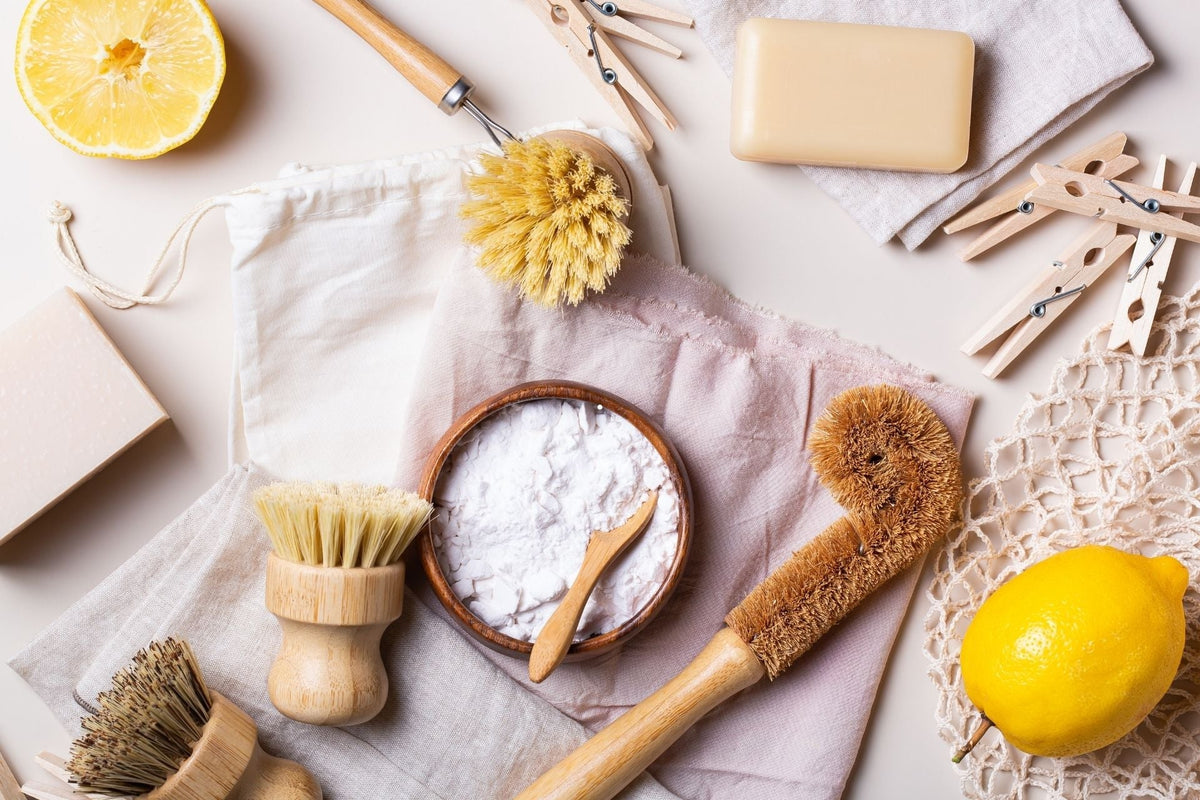
- Vinegar: A versatile and affordable cleaning solution, distilled white vinegar is an effective, eco-friendly option to combat grease, grime, and mineral deposits on surfaces like glass, tile, and stainless steel. Mix equal parts water and vinegar in a spray bottle to create a multi-purpose cleaning solution.

- Baking soda: Known for its deodorizing properties, baking soda is an excellent cleanser and mild abrasive for removing stains and tackling tough messes. Create a paste by mixing baking soda with water, or sprinkle it directly onto surfaces before scrubbing with a damp cloth.

- Lemon juice: Harness the natural cleaning power of citric acid by using fresh lemon juice to cut through grease, remove stains, and sanitize surfaces. Lemon juice also adds a pleasant, natural fragrance to your cleaning routine.

- Castile soap: A plant-based, biodegradable soap free of synthetic fragrances, castile soap is suitable for various cleaning tasks, including dishwashing, laundry, and general surface cleaning. Dilute with water as needed and use in place of traditional soaps or detergents.

Eco-Friendly Cleaning Tools and Materials for Sustainable Living

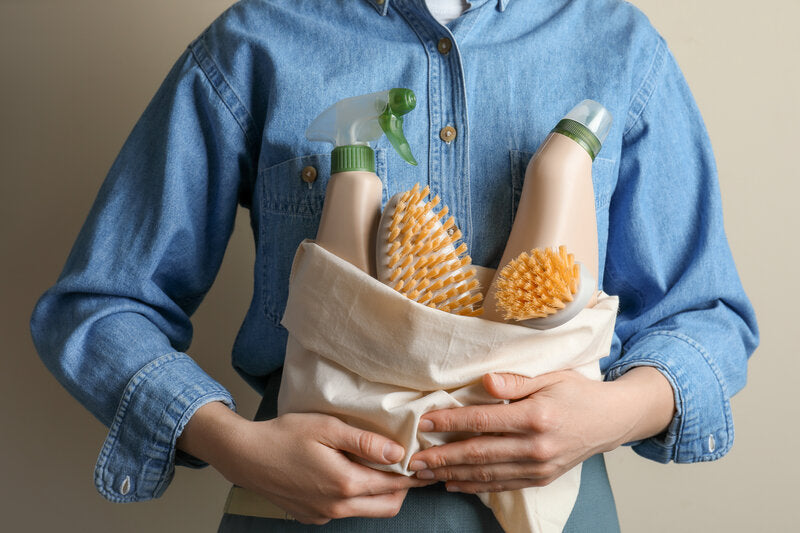
Upgrade your cleaning arsenal with sustainable tools designed to minimize waste and environmental harm:

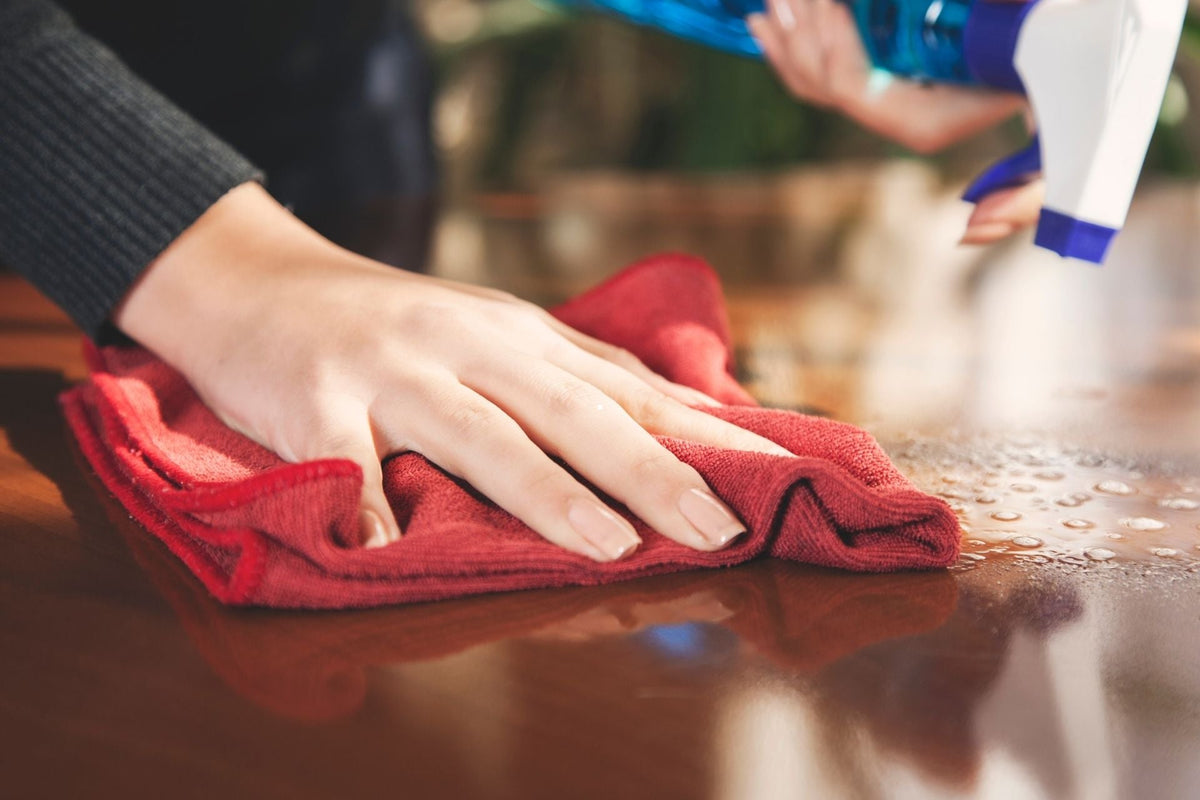
- Reusable cloths and rags: Replace paper towels and disposable wipes with reusable cloths made from microfiber, cotton, or bamboo. Wash and reuse these materials to reduce waste and reliance on single-use products.

- Biodegradable sponges: Opt for biodegradable cleaning sponges made from natural fibers, cellulose, or loofah as a responsible alternative to traditional plastic-based sponges.

- Refillable cleaning products: Choose cleaning products sold in concentrated form or bulk packaging, which can be diluted and refilled in reusable spray bottles. This practice minimizes single-use plastic waste and conserves resources.

Sustainable Habits for Efficient and Eco-Friendly Cleaning

Adopt practical cleaning habits that promote resource conservation and increased efficiency:

- Clean regularly and in small doses: Break down cleaning tasks into manageable daily or weekly chores to prevent spills and dirt from accumulating and requiring harsher, more resource-intensive cleaning methods.

- Conserve water: Be mindful of water usage during cleaning tasks, making use of water-efficient appliances and only using the necessary amount of water for each task.

- Minimize waste: Opt for package-free cleaning products or those with minimal packaging, refuse single-use plastic items, and practice proper recycling and composting habits.

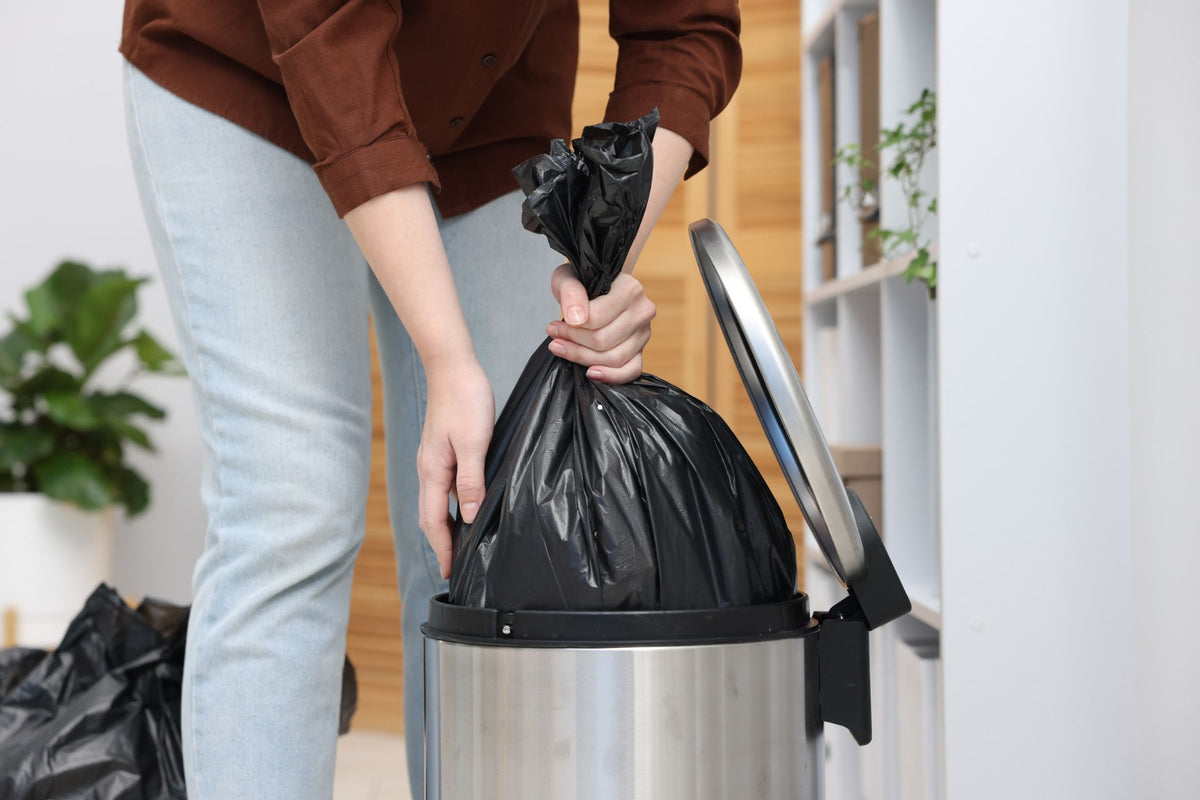
- Use biodegradable garbage bags: Implement responsible waste management practices by choosing biodegradable garbage bags, which break down naturally and contribute to a cleaner, greener environment.

Responsible Disposal of Cleaning Wastes with Biodegradable Garbage Bags

Ensure the waste generated during your cleaning routine is disposed of conscientiously:

- Separate waste streams: Establish separate waste bins or containers for different types of waste, such as recyclables, compostable materials, and landfill waste, to facilitate proper disposal.

- Compost food scraps: Reduce landfill waste and create nutrient-rich compost for your garden by establishing a compost system for food scraps and other biodegradable waste products.

- Use biodegradable bags for landfill waste: Utilize biodegradable garbage bags for non-recyclable, non-compostable waste to minimize the ecological impact of your household waste. These bags decompose more rapidly than traditional plastic bags, reducing their impact on landfills and ecosystems.

Embrace Eco-Friendly Cleaning Habits for a Cleaner, Greener, and Healthier Home

By incorporating the sustainable cleaning practices and products featured in this beginner's guide, you can establish a healthier, more environmentally-friendly household without compromising your home's cleanliness or functionality. Not only do these eco-conscious cleaning habits benefit the environment, but they also promote a safer and healthier living space for you and your family.

In support of your transition to a greener cleaning routine, consider implementing responsible waste management practices by choosing Plastno's biodegradable garbage bags. Check out Plastno’s range of eco-friendly products to learn more about they can cultivate a cleaner, greener home that fosters environmental stewardship and sustainable living.

Latest Stories

View all

Composting for Party Leftovers

How to Set Up Quick Holiday Composting for Party Leftovers

Holiday parties can be a lot of fun, but they often leave a trail of extra food scraps behind. From buffet leftovers to napkin piles and half-eaten cookies, the trash fills up fast. Tossing all of it out might feel...

Read more

Green Cleaning

Why Green Cleaning Helps Families With Allergies This Winter

When winter sets in, most of us spend extra time indoors, keeping warm with the windows shut and the heat turned up. But all that cozy nesting can quietly stir up trouble for allergy-sensitive families. Dry indoor air, packed rooms,...

Read more

pantry

Guide to Organizing a Plastic Free Pantry for Winter Meals

Winter cooking usually means stocking up on cozy foods, baking ingredients, and pantry staples. But more food at home can turn into more packaging, crowded shelves, and a whole lot of plastic. That’s why it’s the perfect time to rethink...

Read more